






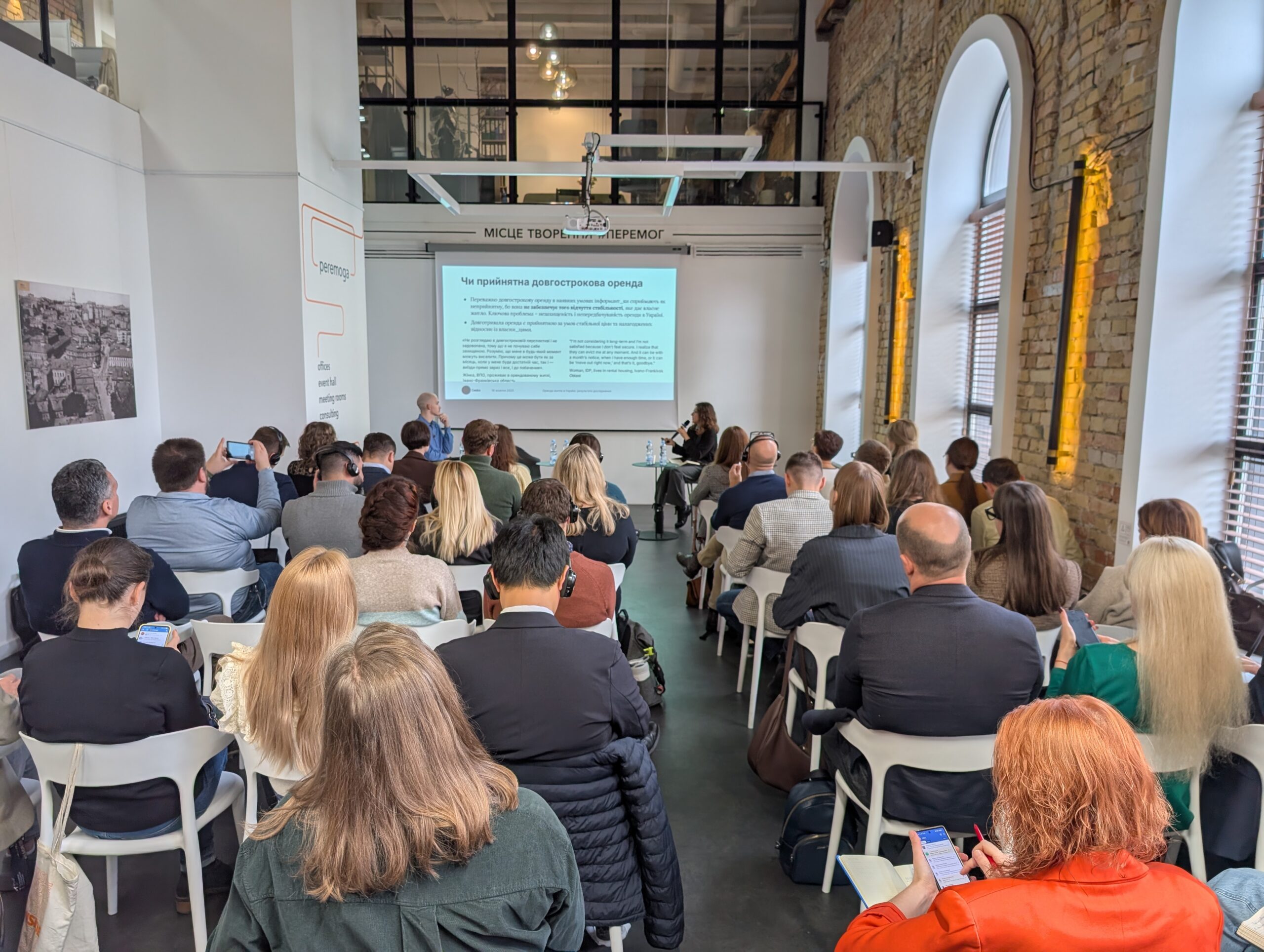
On October 16, Cedos, with the support of the international non-governmental organisation IMPACT Initiatives and the International Organisation for Migration (IOM), presented a study on the rental sector in Ukraine and the availability of rental housing for internally displaced persons.
In the report, Cedos experts analysed an experimental programme of housing subsidies for internally displaced persons; examined the current state of the rental sector; recorded the housing stories of internally displaced persons; and reviewed international experience in improving the availability of rental housing.
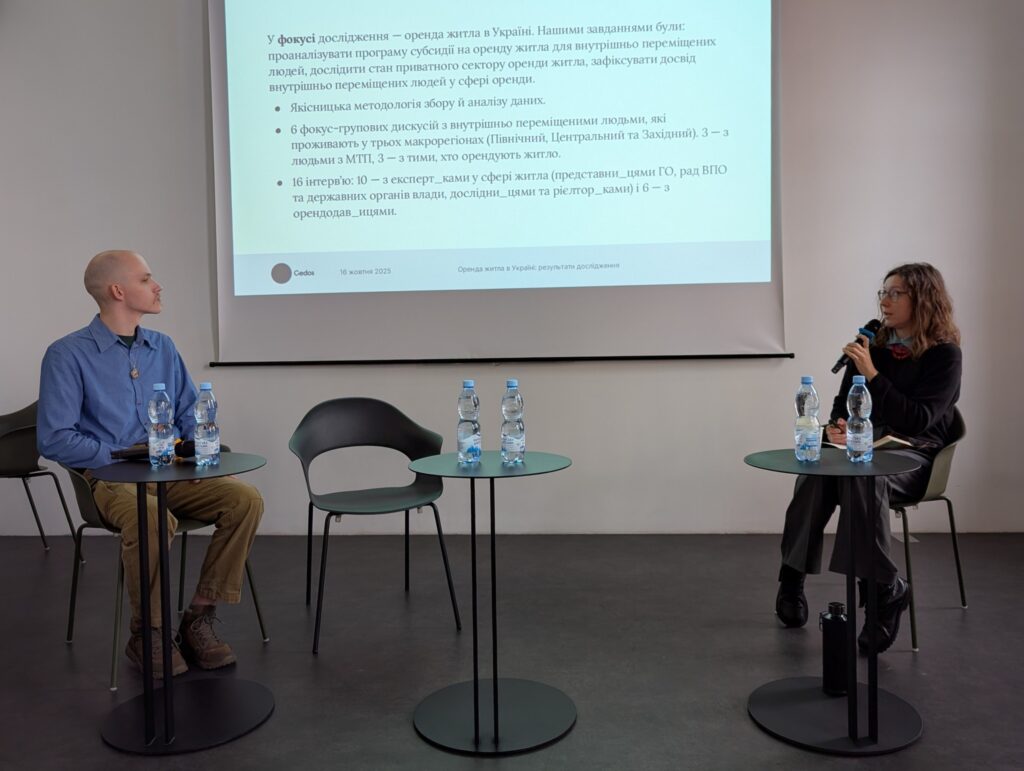

As noted by Cedos senior analyst and project manager Yulia Kabanets, the key problem for most IDPs was the insecurity and unpredictability of rental housing. This includes, in particular, the risk of eviction and sudden rent increases, which are the main criteria when looking for housing.
Yaroslav Onyshchuk, Cedos analyst and project manager, spoke about the difficulties in implementing the rental subsidy programme for IDPs. According to him, the main obstacle was the unwillingness of landlords to participate in the programme: to spend time filling out applications, signing contracts, and paying taxes on rental income. On the other hand, IDPs were unsure about the stability and duration of the subsidies, as well as whether they would receive payments on time.
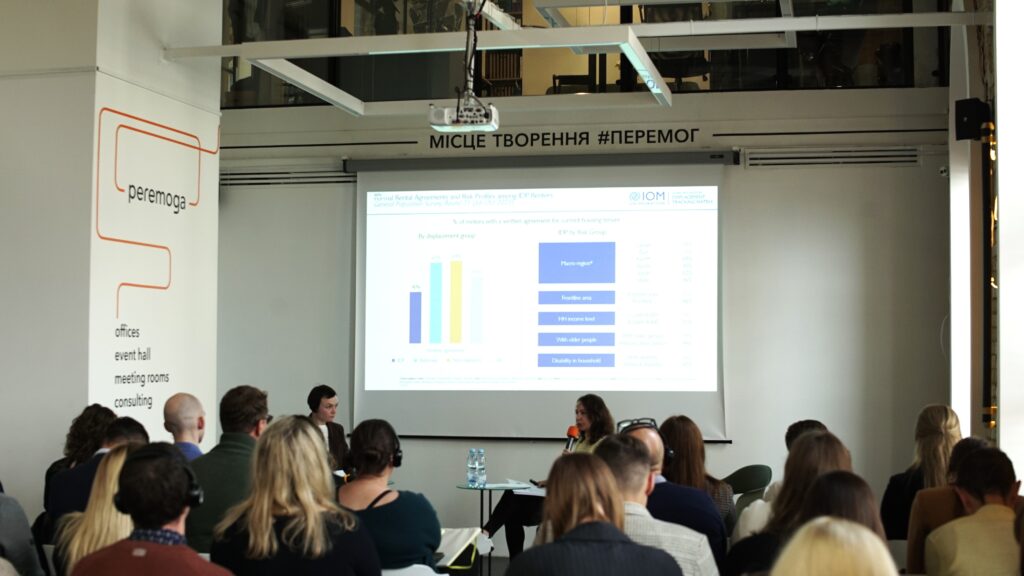
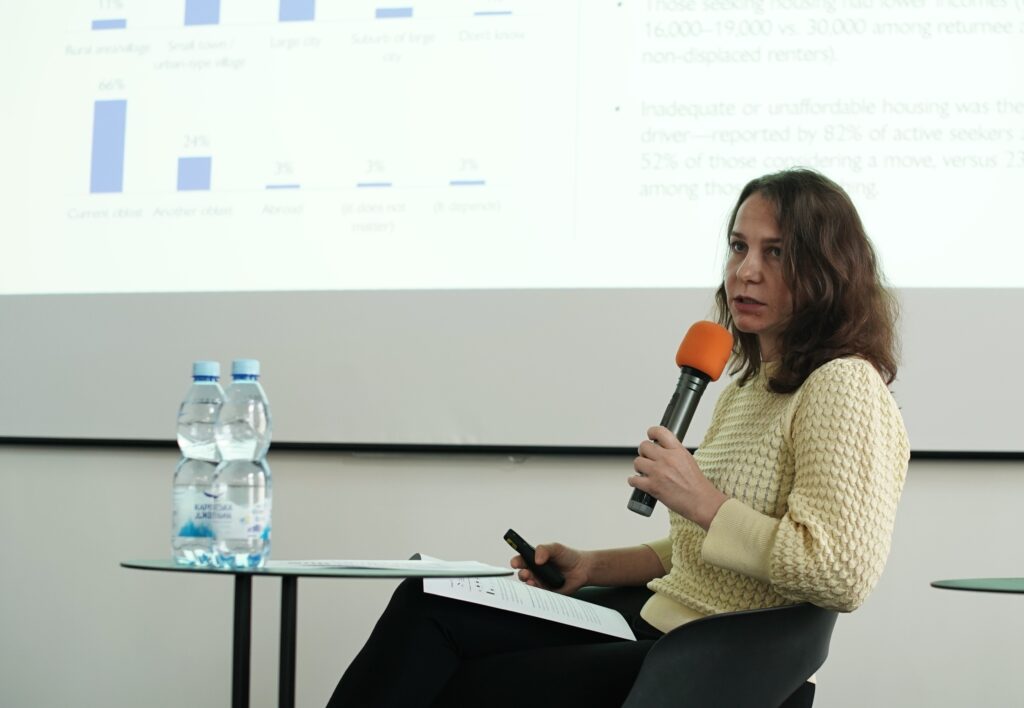
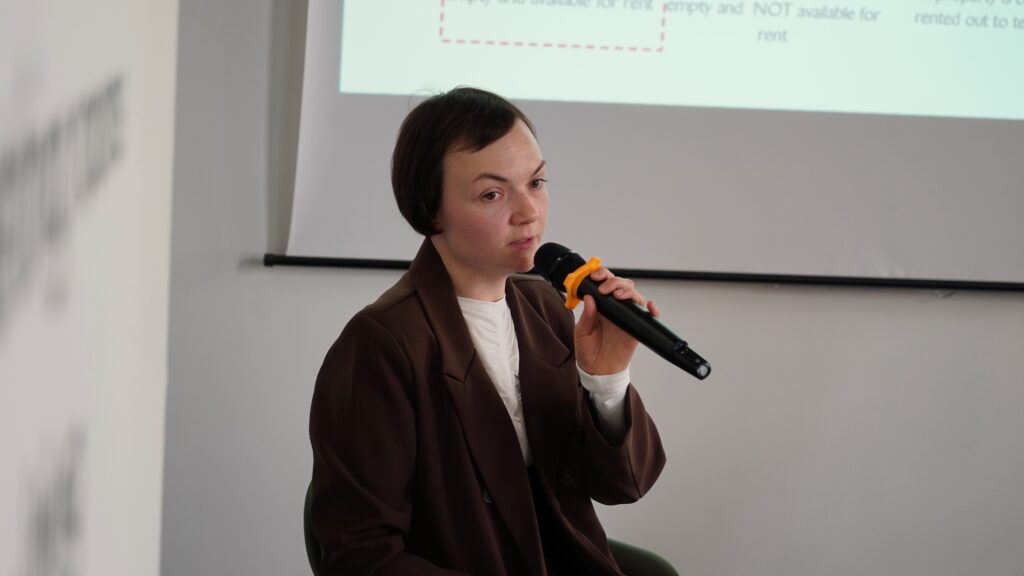
In addition, representatives of the International Organisation for Migration (IOM) — Iryna Lokteva, Head of Data and Analytics, and Yulia Protsenko, Data Analysis Assistant — presented the results of a study on the current situation in the housing sector in Ukraine.
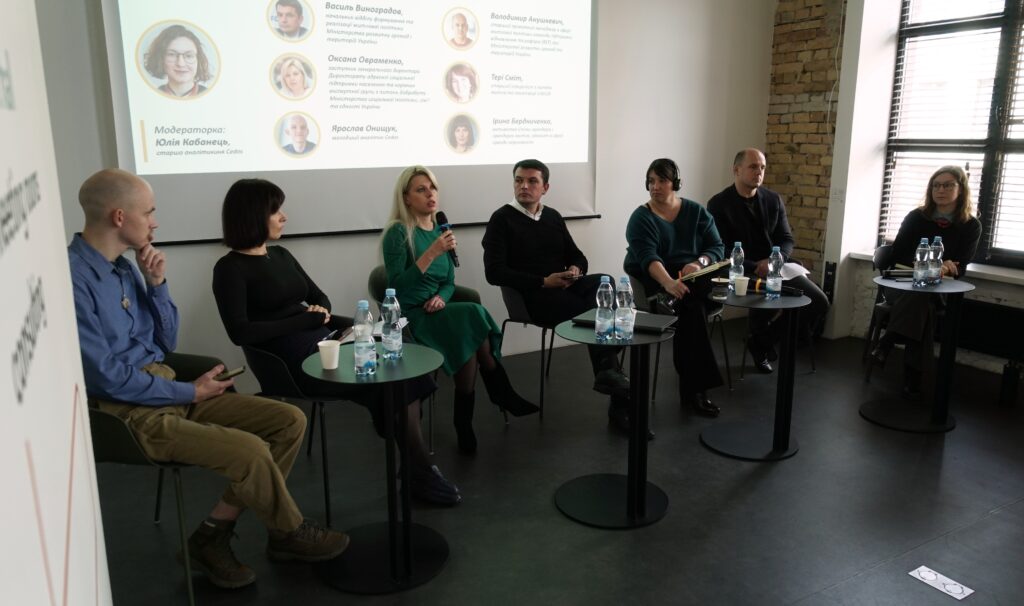
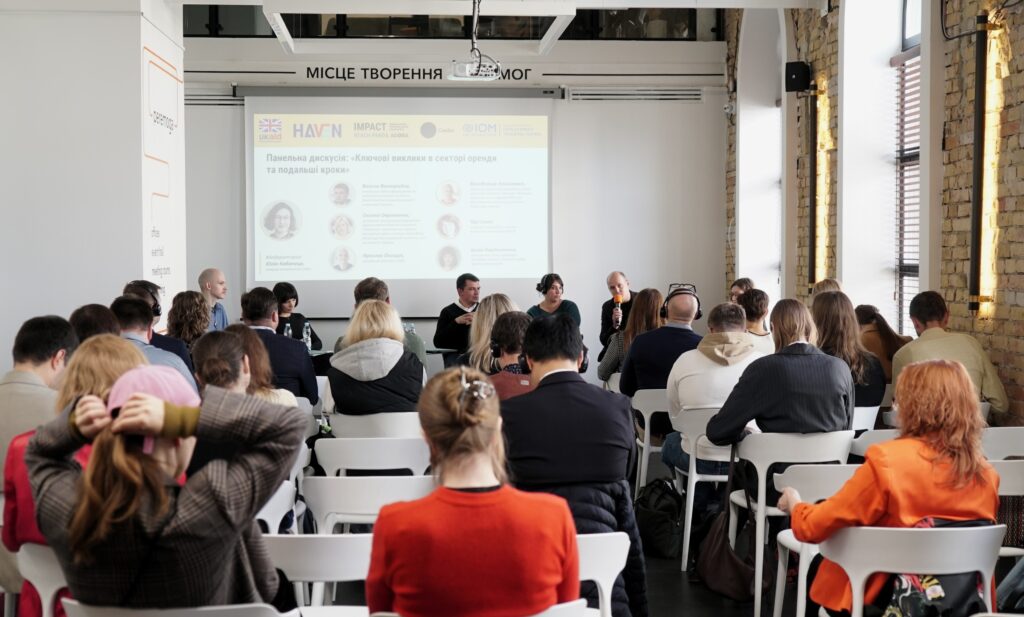
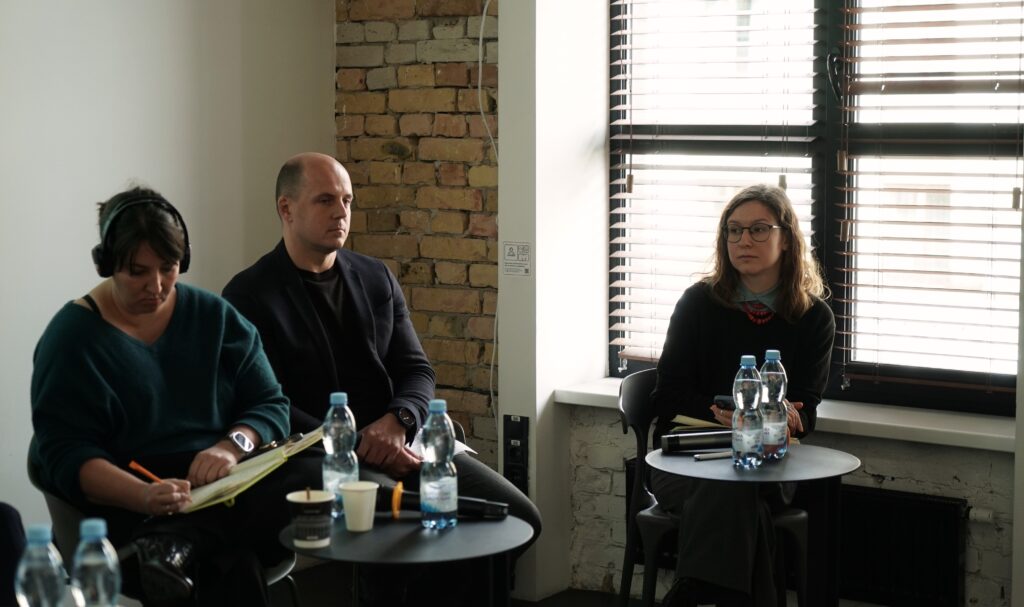
The presentations were followed by a discussion entitled ‘Key challenges in the rental sector and next steps.’ The speakers were:
- Vasyl Vynohradov, Head of the Department for the Formation and Implementation of Housing Policy at the Ministry of Development of Communities and Territories of Ukraine;
- Oksana Ovramenko, Deputy Director General of the Directorate for Targeted Social Support of the Population and Head of the Expert Group on Welfare at the Ministry of Social Policy, Family and Unity of Ukraine;
- Volodymyr Anushkevych, Senior Project Manager in the field of housing policy at the Recovery and Reform Support Team (RST) at the Ministry of Community and Territorial Development of Ukraine;
- Terry Smith, Senior Specialist on Housing and Localisation at UNHCR;
- Iryna Berdnychenko, activist with the Union of Tenants and Landlords, lawyer in the field of real estate rental;
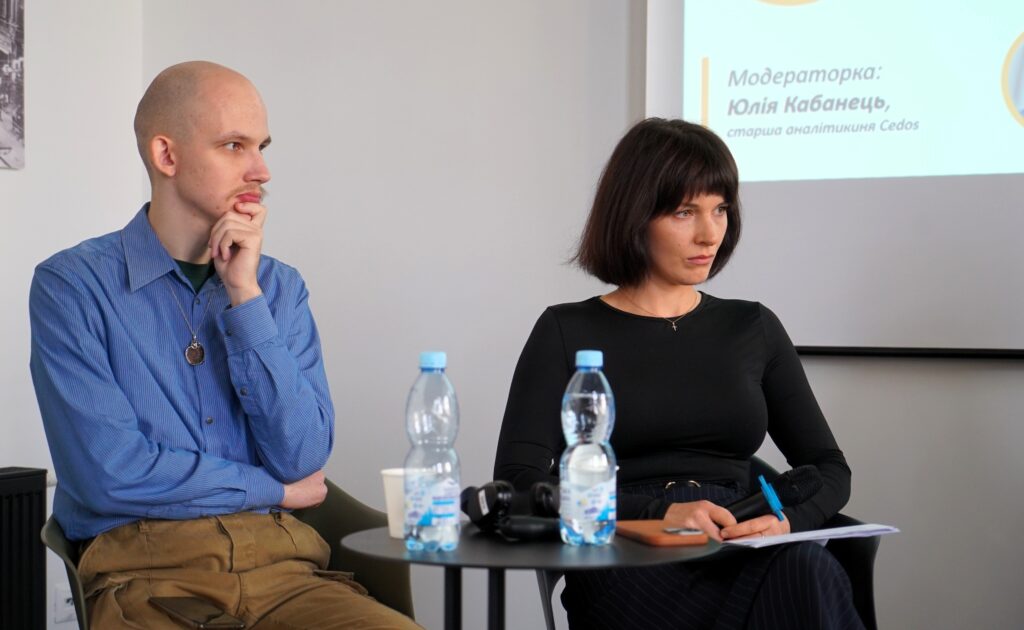
- Yaroslav Onyshchuk, Cedos analyst, project manager.
The discussion was moderated by Yulia Kabanets, senior analyst at Cedos, project manager.
As noted during the discussion, the rental sector in Ukraine is currently under-researched: there is a lack of up-to-date data on the number of dwellings and their characteristics, the needs of tenants, etc. This complicates the development of new policies that would take into account the current problems in the rental sector.
Given that the current housing legislation is outdated, the government and independent experts are working on a new legislative framework. In particular, work is underway on the State Housing Policy Strategy, the participants in the discussion noted. As part of the housing policy update, ways to bring the rental sector out of the shadows are also being considered, such as developing a special law.
Support Cedos
During the war in Ukraine, we collect and analyse data on its impact on Ukrainian society, especially housing, education, social protection, and migration

 Support


