






Today, as every day, we thank the Defense Forces of Ukraine for the opportunity to continue our work. Today, as every day, we remember all the fallen military personnel and civilians. Today, as every day, we await the return of Ukrainian prisoners of war and civilians imprisoned by Russia.
Introduction
In October 2025, the Cedos team came together for team building, something in between a strategic session and an informal meeting. Nobody, not even I, knew exactly what to expect from this format that was new for us. However, my first year in the position of director was coming to an end, and I felt a strong need to pause and collectively discuss who Cedos are today and what that means for each of us.
The task that inspired me the most during this event was to think about the organization’s values and share reflections on which projects embody them best. Thanks to this exercise, abstract concepts took on clear and understandable shapes—for example, research on social services and rent is about solidarity, while participation is best reflected in community centers and the urban forum. This is an exercise I now often return to, especially in moments of discouragement or fatigue, as it reminds me of the importance of our work.
At the end of 2025, I also often turn to the idea of radical hope. I became familiar with this concept thanks to an article by Polish researcher Joanna Kusiak and Syrian researcher Ammar Azzouz. In their work, they point out that the question of how to respond to disasters is inseparably linked to the question of how to continue living if previous ways of life are no longer attainable. The answer is through the idea of radical hope, which allows us, even in the most difficult, darkest times, to imagine the future as better than it is now, radically new.
War, on the other hand, tries to deprive us of this ability to dream and imagine the future. It creates constant uncertainty about what tomorrow will look like. And this uncertainty is justified: we really often do not know what the next week will be like. The ability to find hope even in terrible circumstances does not mean being naive or overly optimistic, it is also an act of symbolic resistance.
The creation of knowledge can also be hopeful. Kusiak and Azzouz call this “hopeful analysis,” which, through data and information, makes it possible to think about an alternative social order or to invent a policy that does not yet exist but is urgently needed. It is knowledge that fuels our imagination of progressive change. In this sense, Cedos for me is a hopeful community—and, I hope, will remain so for many years.
Anastasiia Bobrova, Director of Cedos
Key Figures and Facts
In 2025, Cedos celebrated its 15th anniversary!

During 2025, the Cedos team implemented 16 projects, published 12 research reports, briefs, and concepts. We held 13 public events—5 online and 8 in person—which were attended by more than 700 people.
In 2025, the reach of our publications on social media and through newsletters exceeded 2.9 million people. In traditional media, including television, radio, podcasts, and online platforms, we were mentioned 231 times.
In 2025, Ivan Verbytskyi, who served as the director of Cedos in 2019–2024, was appointed Deputy Minister of Culture and Strategic Communications of Ukraine. Cedos analyst Volodymyr Kudelia joined the Defense Forces of Ukraine.
At the end of 2025, the team consists of 24 engaged experts working in the Research and Analysis Department, the Urban Studies Department, the Communications Department, or as part of the administrative team.
Research and Analysis
“In 2025, we continued our work with our three key areas: housing, education, and social protection. As a team, we talked a lot about how we see these areas, how they should be structured, which aspects in these areas should be inalienable rights for all people in our country. We worked to define which values we uphold in these areas and how we see the path to achieving them. To achieve our vision in each area, we continued working on research, policy analysis, and the dissemination of evidence-based knowledge, and also selected thematic priorities for 2026. Throughout the year, we had both research initiated by our team and research in partnership with other organizations. Such partnerships are especially valuable, as they help combine our expertise, engage a broader community, and unite our voices to promote change,” — Alina Khelashvili, Head of the Research and Analysis Department.
War Research
Since the first days of the full-scale invasion, the Cedos team has been working on a flagship study that documents how people’s emotions, thoughts, and experiences change during the war. In 2025, we continued this work and released the seventh wave of this study, Three Years of Full-scale War in Ukraine: Thoughts, Feelings, Actions.
Housing
Cedos continued working to advocate for housing policy reform in Ukraine. Our team conducted research and collected data to substantiate the need for developing social housing, as well as reforming the private rental housing sector in Ukraine. An important step in advancing changes in the private rental housing sector was the study Rental Housing in Ukraine: Current State and Challenges, which focused on examining the experiences of internally displaced people when renting housing. Based on the study, recommendations for changes to state policy in the rental sector were formulated.
In 2025, we also assessed the capacity of hromadas to build and manage social housing, and analyzed the challenges faced by rural town and village hromadas in the housing sector. We prepared the report Housing Needs and Prospects for Social Housing in the Kalush Hromada, and conducted a study on Housing in Rural Hromadas Near the Frontline. At the end of the year, Cedos joined the development of the local Housing Policy Strategy in Drohobych.
In the field of social protection, the Cedos team focused on monitoring the reform of social services and its implementation at the local level. We continued to study the challenges and difficulties faced by local government bodies, as well as the working conditions of people employed in the social protection sector. In particular, the study Social Protection in Rural Hromadas Near the Frontline examined the state of the social protection sector in frontline rural hromadas of Zaporizhzhia and Kharkiv Oblasts.
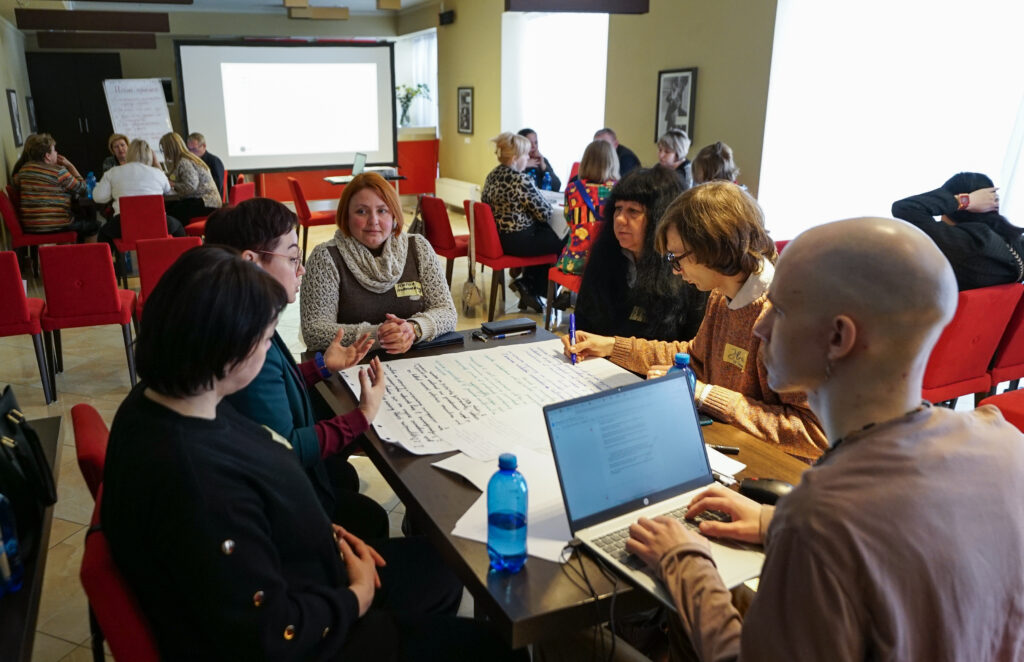
In February 2025, a validation workshop took place, bringing together representatives of 14 rural hromadas near the frontline. Over three days, more than 20 participants discussed the problems of frontline hromadas in the areas of housing and social protection, identified possible ways to address them, and the changes needed for this. The developed proposals and ideas were included in briefs on housing and social protection in frontline hromadas.
In addition, Cedos experts contributed to the preparation of the report by the Government of Ukraine and international organizations on Rapid Damage and Needs Assessment (RDNA4) and worked on updating the section dedicated to the impact of the war on different social groups, in particular internally displaced people, veterans and their families, youth, older people, and people with disabilities. In late 2025, the organization’s experts were involved in preparing the next RDNA5 report, which was published in 2026.
At the end of 2025, Cedos began cooperation with UNICEF within the research project Improving the Implementation of Social Protection Reform in Hromadas of Ukraine; the results of the study will be published during 2026.
Education
The Cedos team strengthened international cooperation in the field of education. In particular, the organization is leading a study on the resilience of secondary education in countries of Eastern Europe and Central Asia, namely Ukraine, Moldova, Georgia, Kyrgyzstan, Tajikistan, Albania, and Mongolia. In 2025, Cedos prepared the first report within the project, Education System Resilience in Eastern Europe, the Caucasus, and Central Asia: Policies and Practices, which focused on the results of an expert review of documents and showed how countries in the region understand the concept of education system resilience and how this is reflected in their policies and practices.
We continued to promote the importance of gender equality in education; in particular, in partnership with INSCIENCE, we conducted a study to identify the factors that motivate female students and researchers working in STEM to build a scientific career or leave it.
In addition, at the end of 2025, cooperation between Cedos and Södertörn University Stockholm began within the project Strengthening the Capacity of Educators to Ensure Gender Equality and Social Inclusion in Ukrainian Schools, supported by the Swedish Institute.
Migration
In the area of migration, the Cedos team studied Ukrainian refugees abroad. In cooperation with the Office of the Ukrainian Parliament Commissioner for Human Rights, Cedos conducted the study on the Experience of Forced Displacement Abroad and Thoughts about Returning to Ukraine, within which our team developed a number of recommendations on what inclusive and comprehensive support for people who return could look like.
Urbanism
“For the Urban Studies Department of Cedos, 2025 became a year of strengthening hromadas through spatial projects. We advocate for people’s ability to influence their environment and organize it in a convenient and inclusive way. In 2025, while working on concepts of public spaces and launching 11 community centers, we aimed to create conditions in which public places become accessible and open to everyone. This year, we will continue cooperation with hromadas, as we believe that inclusivity and sensitivity to the needs of residents in space are an integral part of social justice,” — Maryana Kuzemska-Danyliuk, Head of the Urban Studies Department.
Building Communities, Developing Third Places, Spreading Knowledge
The Cedos team continued working on building and supporting communities, in particular through the development of third places. Thus, the second wave of Community reBuilding, a joint project of Cedos and the Ukraine-Moldova American Enterprise Fund (UMAEF), was successfully completed. During the second wave, we supported community-building centers in 11 hromadas.
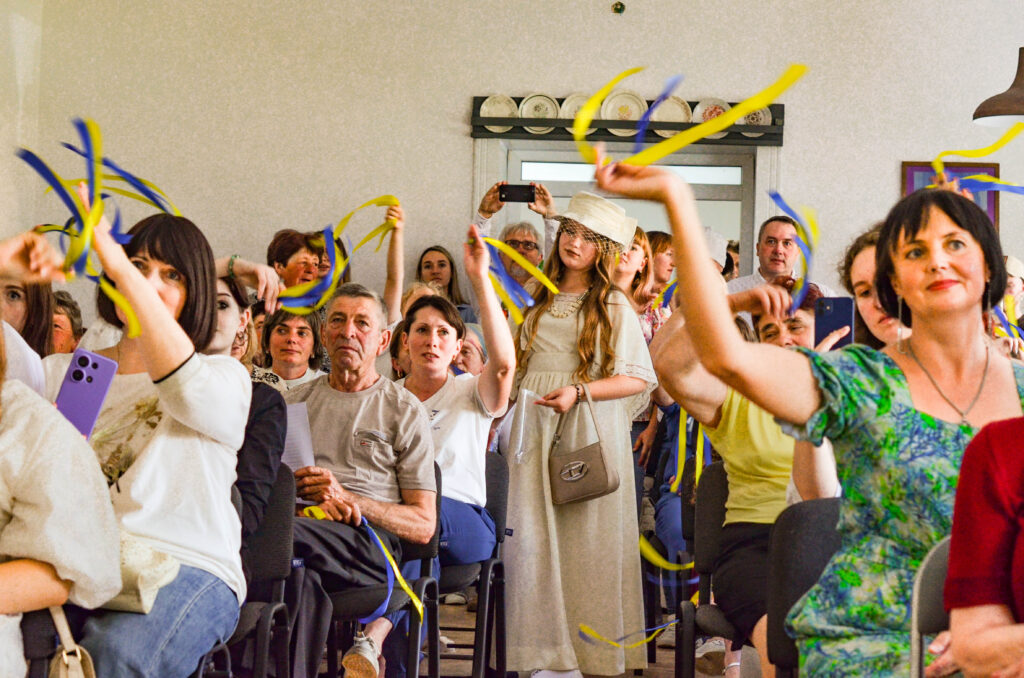
As part of the study The Space That Creates Community: A Study on the Functioning of Community-building Centers, we also analyzed the impact of community centers on hromadas. The study highlights that the emergence of such centers contributed to the cohesion of residents, and in some hromadas the center became a key platform for interaction and communication between people. To document and disseminate knowledge about creating third places, our team published the guide How to Develop Community Centers: Examples and Practical Advice.
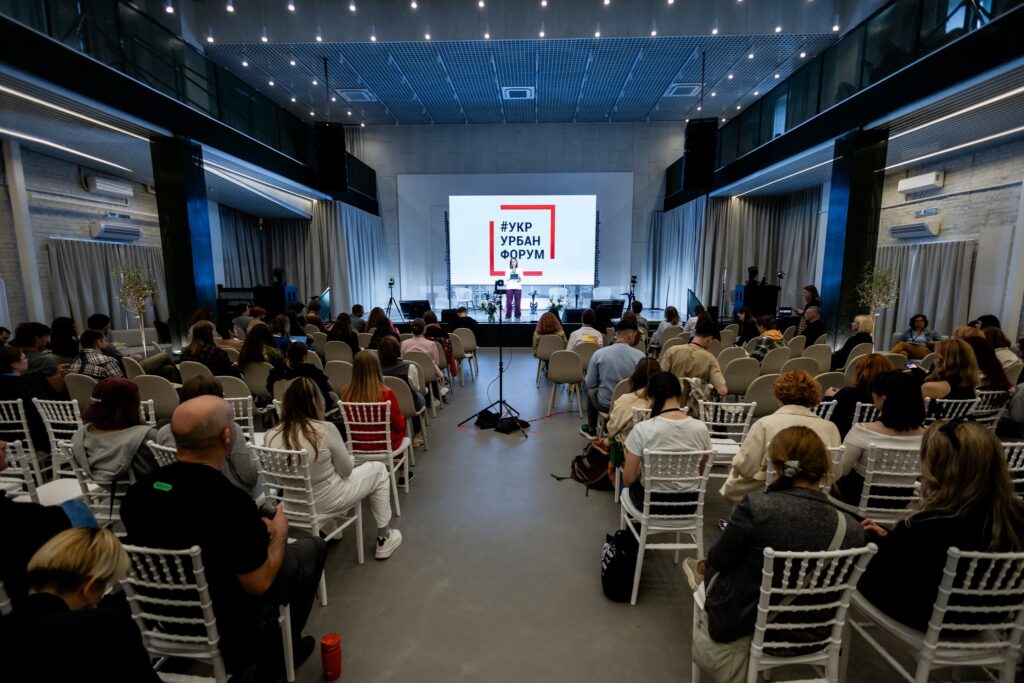
We continued to promote the importance of fair and sustainable urban and local development. In Lutsk, the seventh Ukrainian Urban Forum, Human Scale, took place, bringing together around 350 participants. During the event, we discussed how sustainable institutions, people-centered urban policies, and accessible infrastructure can contribute to social development and overcoming inequalities. Together, we looked for answers to the questions of how to mitigate the consequences of war and demographic challenges, how to strengthen human potential and ensure residents’ access to housing, social protection, and mobility, and how to create urban space that supports community strengthening and high-quality leisure.
At the end of 2025, cooperation between Cedos and the Foundation Remembrance, Responsibility and Future (EVZ) began within the eTown project, which supports the creation of third places based on cultural institutions in hromadas. A new cohort of participants will begin their activities in 2026.
Support for Hromadas
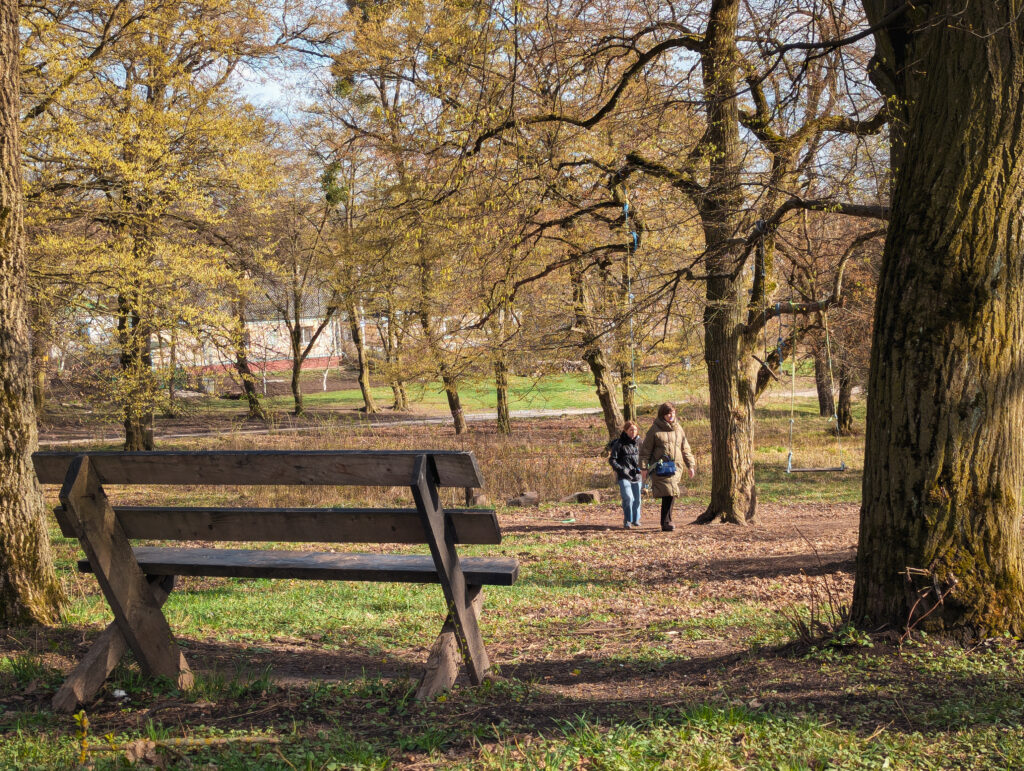
As a result of the termination of international funding from USAID, the Civic Participation Lab project, which aimed to support 10 hromadas in the participatory development of concepts for outdoor or indoor public spaces using the methodology of participatory action research, was ended ahead of schedule. Despite the sudden end of the project, the Cedos team managed to continue cooperation with the Ostroh Hromada and prepare an Urban Concept for a park in Ostroh. The park concept was developed using the participatory action research methodology, which involves active participation of city residents in shaping the vision for the park’s development.
Our team continues to support Ukrainian cities on their path to climate neutrality. During 2025, we worked on developing a capacity-building program for 12 flagship municipalities, namely Chernihiv, Chernivtsi, Dnipro, Kalush, Kharkiv, Konotop, Kyiv, Mykolaiv, Novovolynsk, Pervomaisk, Vinnytsia, and Zviahel. We also adapted the SNAP (Support Needs Assessment Process) methodology to the Ukrainian context and began facilitating exchanges between city partnerships Pervomaisk–Parma, Dnipro–Budapest, and Chernivtsi–Mannheim.
Communications
In 2025, the Communications Department was headed by Anna Vorobiova, who has been working at Cedos since 2023.
We created 5 opinion columns and 7 podcast episodes. More than 28,800 people are subscribed to our pages on Facebook, Instagram, Twitter, LinkedIn, and our email newsletters. In 2025, the reach of our publications on social media and through newsletters exceeded 2.9 million people.
In traditional media, including television, radio, podcasts, and online platforms, we were mentioned 231 times.
In 2025, we launched several new platforms for disseminating the results of our work, namely 2 social media pages. We updated the Mistosite page on Instagram and began publishing posts there regularly, and created an Instagram page for our annual event, the Ukrainian Urban Forum.

Mistosite
The Mistosite urban online platform continued its work. During 2025, we published 32 articles, interviews, summaries, translations, excerpts from books, and blog posts. In addition, Mistosite expanded its audience: updates can now be followed on the media’s Instagram page.

Community Building and Knowledge Dissemination
To build a community of change, Cedos supported 5 civil society and charity organizations in conducting research.
- NGO Culture of Change, a civil society organization working in rural hromadas of Kharkiv Oblast to provide humanitarian support and social assistance to women, girls, and vulnerable groups. The study focuses on the sexual literacy of girls aged 14+ in rural areas and its impact on early family formation and birth rates compared to cities.
- Co-Haty Charitable Fund, a charitable organization that builds housing for people who have lost it due to the war and develops a model of affordable social housing in Ukraine. The study focused on the living experience of residents of a pilot long-term social housing project in Kalush, Ivano-Frankivsk Oblast, and on how affordable rental housing affects the sense of community and life satisfaction.
- NGO Zminotvortsi, an educational organization that offers free programs for teenagers from villages and small towns (up to 10,000 residents). They study the worldview, needs, challenges, and motivation of Ukrainian teenagers from small hromadas to create more adaptive and context-sensitive educational approaches.
- U-Cycle (NGO Kyiv Cyclists’ Association), an organization that promotes sustainable mobility and cycling infrastructure at the local and national levels, and is also a co-founder of the humanitarian campaign #BikesForUkraine. The study collects data on bicycle users within the campaign to improve operations and support advocacy for cycling infrastructure as part of recovery and European integration.
- Serhiy Prytula Charitable Foundation, a foundation that supports the Armed Forces of Ukraine and civilians affected by the war, including through the provision of equipment, training, demining, medical assistance, and modular housing. The study focused on the motivation of businesses to support charitable foundations.
The support of the organizations took place within the project Evidence-Based Recovery and Cohesion Lab. The findings of the studies will be published during 2026.
Within the Cedos School, 2 educational events took place, which were dedicated to housing and housing policy, as well as local development. The events brought together representatives of local government bodies, researchers, activists, and civil society representatives.
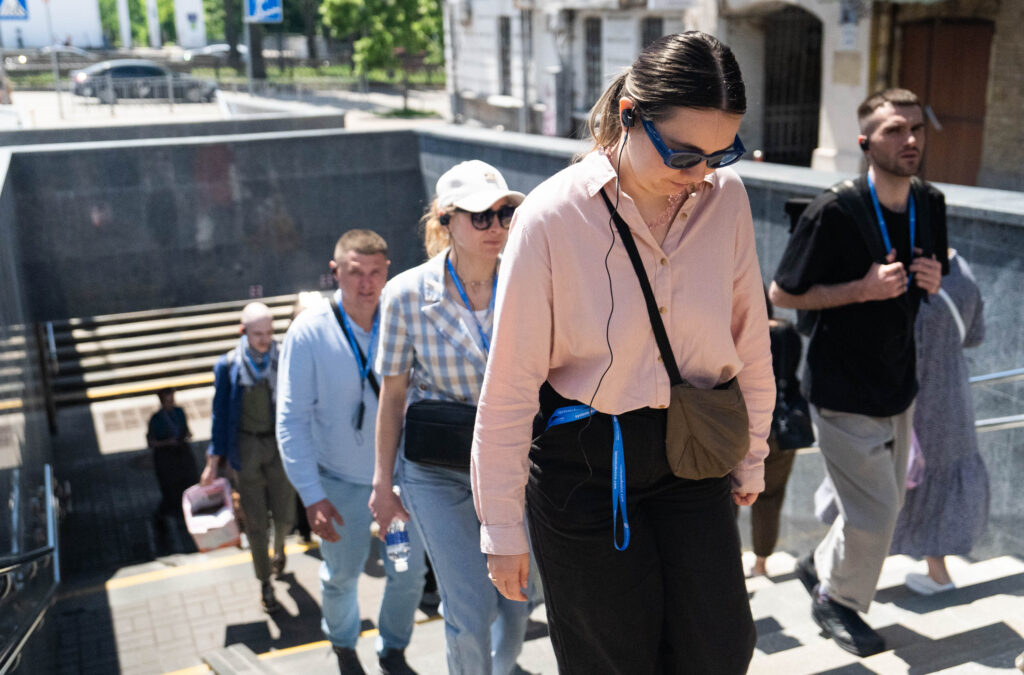
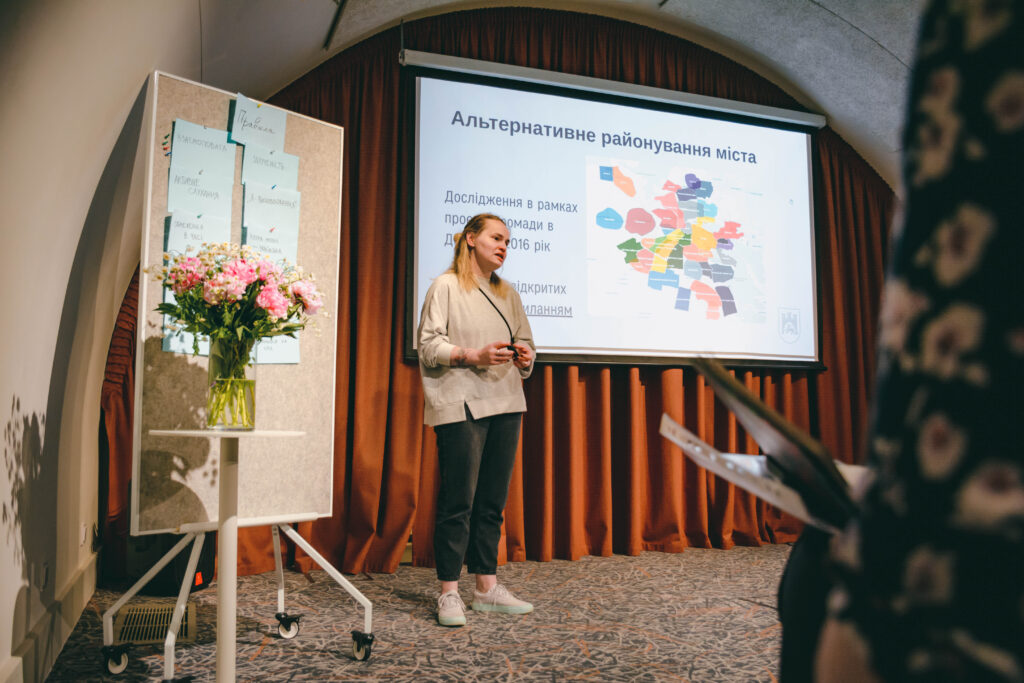
In 2025, the Cedos team worked on creating knowledge about Ukraine for the international audience. In particular, Anastasiia Bobrova’s essay Housing and war: Where are we going to live? was included in the white paper Building Bridges for Ukraine: Pathways to Sustainable Prosperity, a project of the Institute for Global Prosperity (IGP) at University College London (UCL) in collaboration with Fast Forward 2030. The aim of the publication was to spread innovative visions for Ukraine’s rebuilding. As part of the Displacement Urbanism podcast by the London School of Economics and Political Science (LSE), an episode dedicated to housing and housing policy in Ukraine was released, titled Housing crisis in active conflict zones: A view from Ukraine. The blog Life in Standby Mode: Why Ukraine Needs to Reform the Private Rental Housing Sector was published by the German think tank Zentrum Liberale Moderne.
The Director of Cedos presented the study Housing Needs and Prospects for Social Housing in the Kalush Hromada at the annual conference of the European Network for Housing Research (ENHR). The Director also presented the activities of Cedos at the Civil Society Policy Forum (CSPF) as part of the World Bank and IMF Annual Meetings 2025 in Washington.
Alina Khelashvili, Head of the Research and Analytics Department, became a fellow of the Vidnova Lab program. Within the fellowship, the seventh wave of the study documenting people’s thoughts, experiences, and actions in Ukraine was implemented, Three Years of Full-Scale War in Ukraine: Thoughts, Experiences, Actions.
Maryana Kuzemska-Danyliuk, Head of the Urban Studies Department, took part in the selection and evaluation of applications for the eTown program by the Foundation Remembrance, Responsibility and Future (EVZ).
Institutional Development
Thanks to the support of the Impulse project by the International Renaissance Foundation, the organization continued working on strengthening operational processes, deepening the team’s expertise, and establishing strategic planning processes.
In July, we began implementing the two-year project Strengthening the Institutional Capacity of Cedos to Support Sustainable Recovery. During the second half of the year, experts from each Cedos team completed practical training in methods of facilitating group work, and the management team began participating in a program to develop team management skills and exchange experience with the professional community. Experts of the Impulse project conducted a system-based audit of the organization, which allowed us to outline areas of work for strengthening Cedos’s organizational development.
At the end of the year, significant support came from participation in the initiative for Impulse grantees, which focused on rapidly strengthening resilience. This allowed us to prepare the office in time to operate during power outages.
In addition, in December, we completed the selection of two interns for the Research and Analysis and Communications Departments. Among more than a hundred applicants, we selected specialists who will begin their six-month programs in January 2026 as part of the internship project for the Impulse grantees cohort.
Acknowledgements to the Team
During 2025, the Cedos team included:
Alina Khelashvili, Anastasiia Bobrova, Andrii Smirnov, Anna Vorobiova, Anna Chorna, Artur Mykhalenko, Valerii Miloserdov, Viktoriia Odusanvo, Volodymyr Kudelia, Daryna Nikolenko, Nataliia Liuklian, Inna Ryk, Iryna Kohut, Kateryna Babych, Kateryna Kutsil, Kateryna Levchenko, Kseniia Paltsun, Maryna Bakaienko, Maryana Kuzemska-Danyliuk, Oleksandr Pryma, Olena Prykhodko, Olha Voitenko, Olesia Budz, Oleksandra Ladychenko, Olha Polishchuk, Olha Satsuk, Roman Ostashevskyi, Serhii Momotiuk, Sviatoslav Zembitskyi, Tamara Khurtsidze, Tetiana Zherobkina, Yuliia Kabanets, Yaroslav Onyshchuk.
Acknowledgements to the Supervisory Board
During 2025, the members of the Cedos Supervisory Board were:
Yuliia Bezvershenko, Oleksii Erinchak, Sofiia Diak, Maryna Shevtsova, Andrii Yanitskyi.
Finances
Funding Sources of Cedos NGO in 2025
| Funding source | USD |
| Ukraine-Moldova American Enterprise Fund | 285,963 |
| International Development Research Center | 73,432 |
| International Renaissance Foundation | 58,693 |
| DAI Global | 41,848 |
| United Nations Human Settlements Programme (UN-Habitat) | 27,486 |
| Heinrich Böll Foundation | 22,023 |
| Council of Europe | 16,538 |
| World Bank | 10,000 |
| StratCom Ukraine | 4,201 |
| Vidnova Lab | 4,516 |
| Donations from individuals | 185 |
| Total income in 2025: | 544,884 |
Funding Sources of Cedos LLC in 2025
Administration of some of the projects we implement on a commissioned basis is carried out through Cedos LLC.
| Funding source | USD |
| ACTED Humanitarian Organization | 58,687 |
| People in Need Humanitarian Organization | 8,479 |
| Center for European Perspective (CEP) | 5,305 |
| NGO INSCIENCE | 3,861 |
| Deutsche Gesellschaft für Internationale Zusammenarbeit (GIZ) | 1,072 |
| NGO Spilno HUB | 854 |
| Total income in 2025: | 78,262 |
The Cedos annual report has been prepared within the project Strengthening Institutional Capacity to Support Sustainable Recovery, which is part of the Impulse project implemented by the International Renaissance Foundation and the East Europe Foundation with funding from Norway (Norad) and Sweden (Sida).


