






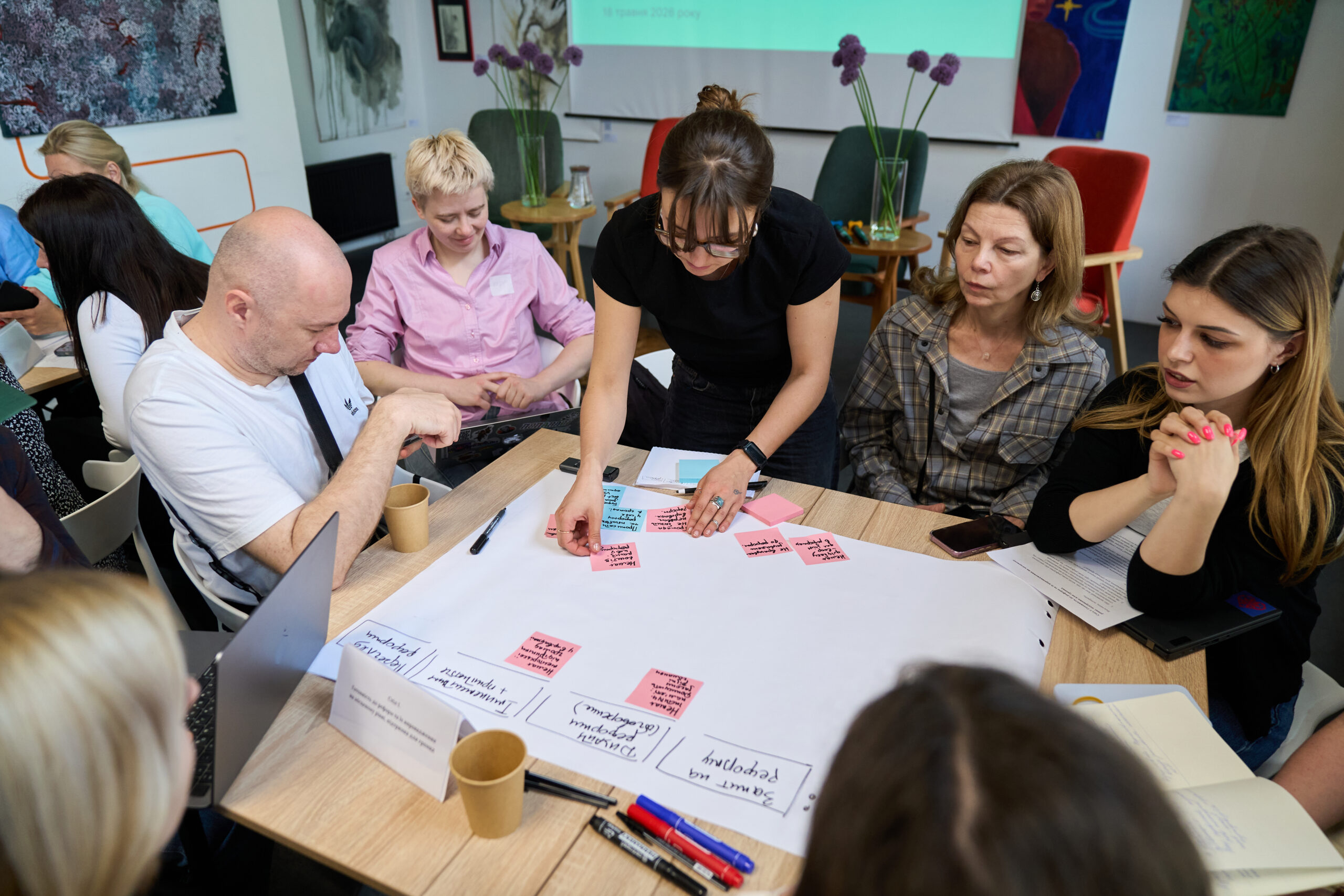
On 18 May, Cedos and UNICEF in Ukraine held an expert workshop as part of the work on the study on the implementation of social protection reforms in hromadas.
Paul von Kittlitz, Head of UNICEF’s Social Policy Section, delivered the opening remarks. He outlined the key challenge in the field of social protection in Ukraine: when planning reforms, the capabilities of local systems are not always taken into account at the national level. As Paul von Kittlitz noted, the joint study by CEDOS and UNICEF in Ukraine aims to develop solutions that will help engage local stakeholders in the implementation of reforms in a more effective and realistic manner.
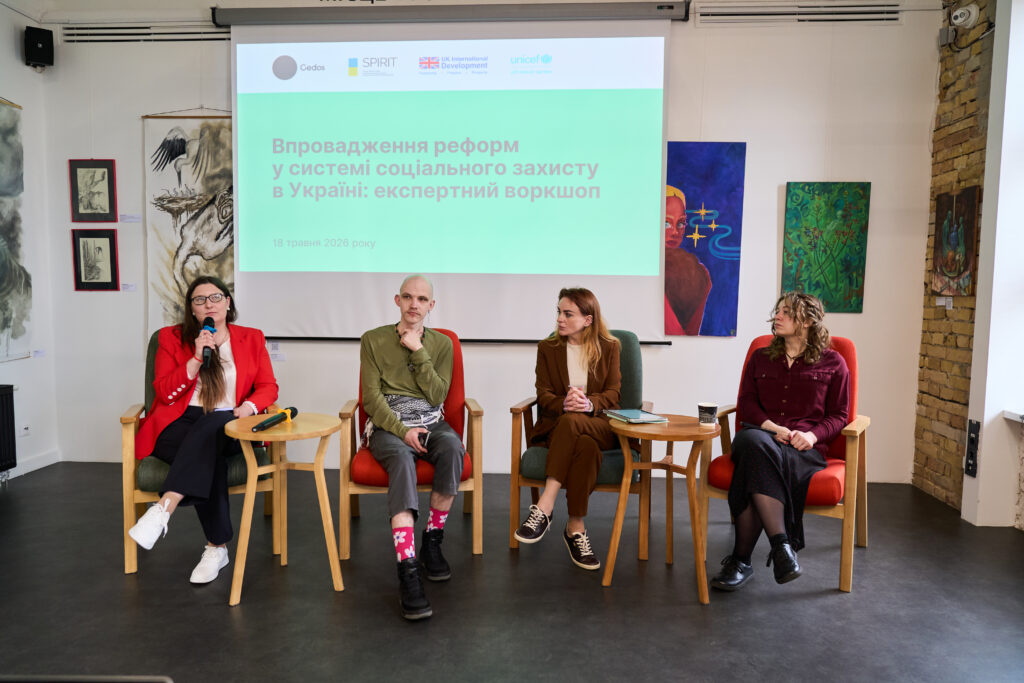
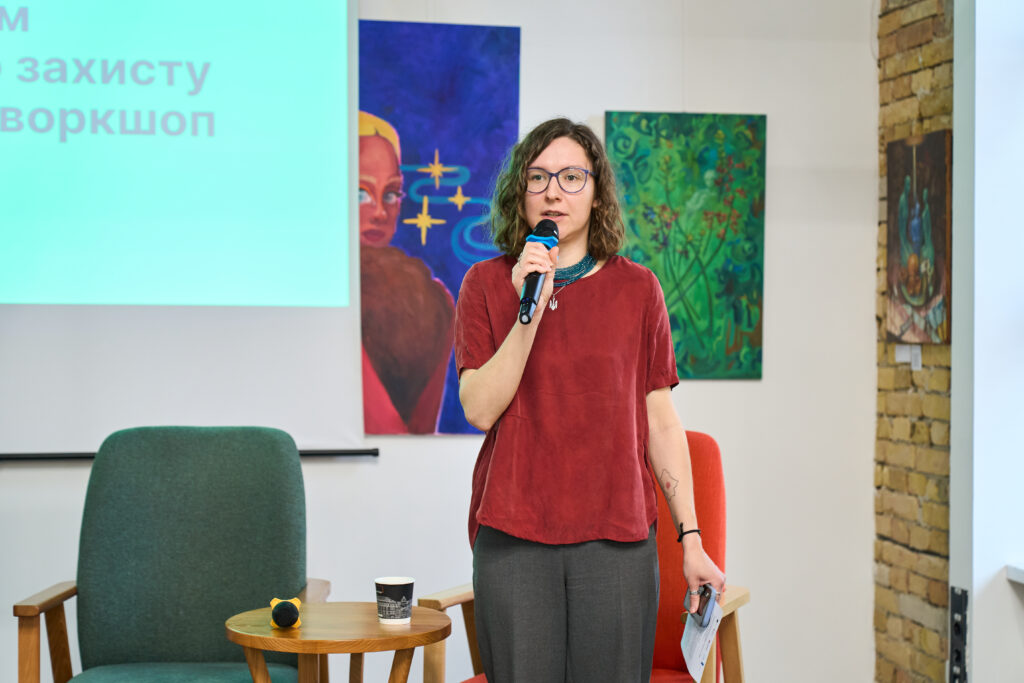
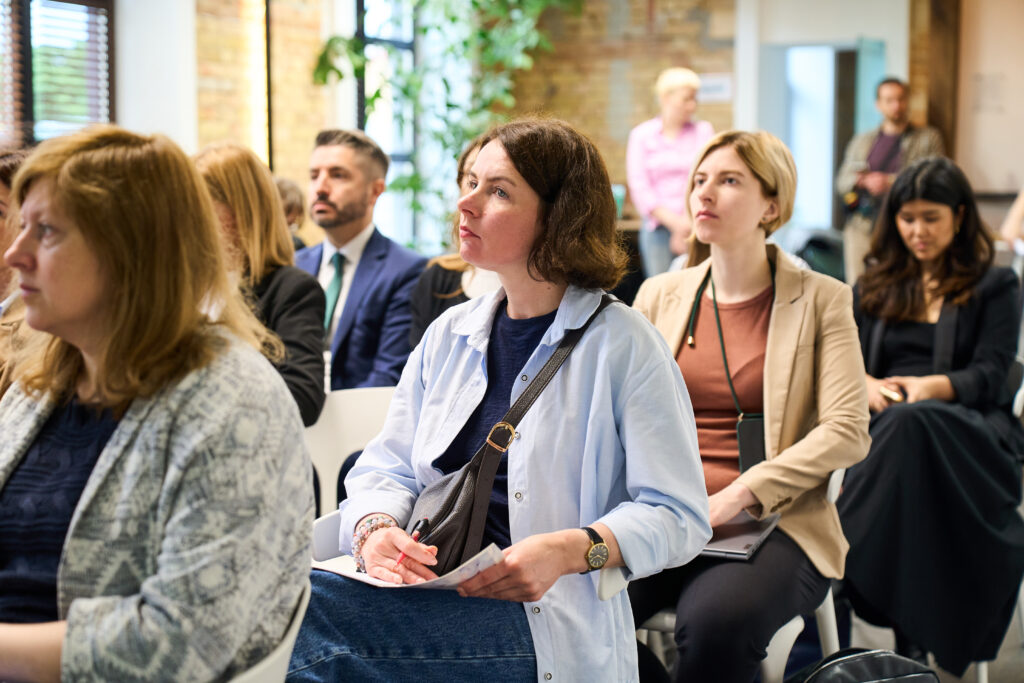
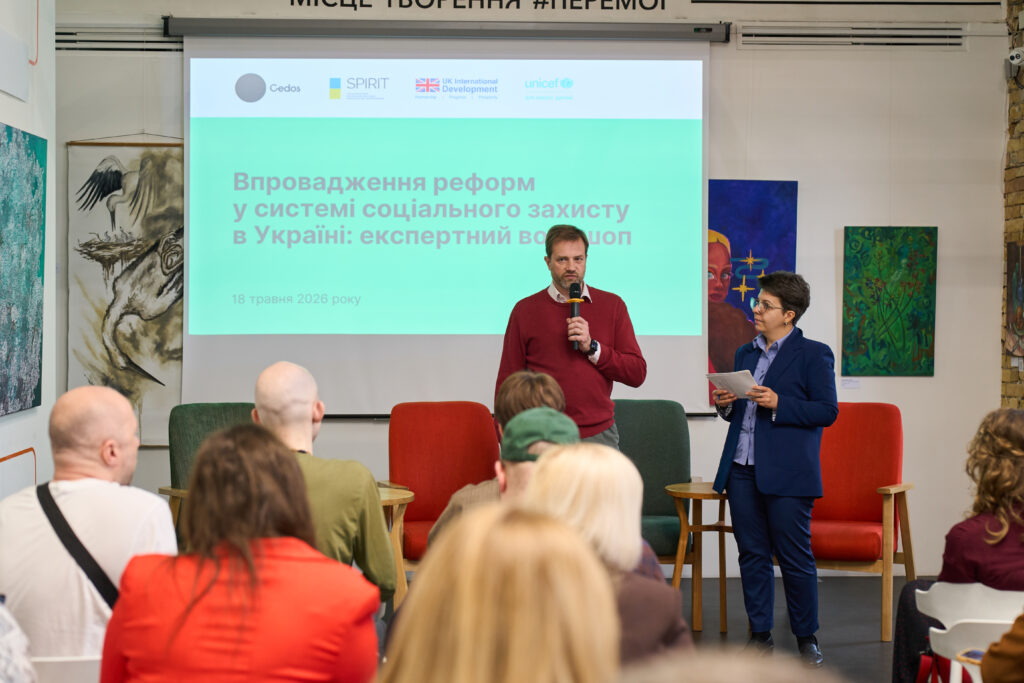
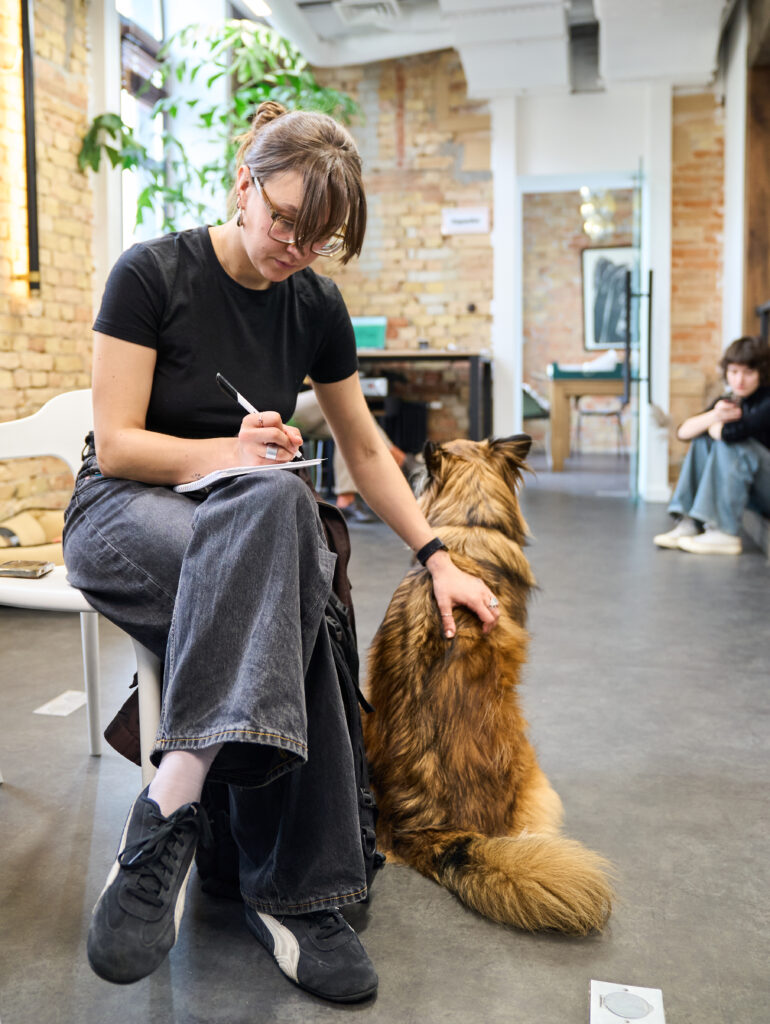
Current issues in the social protection system and the necessary solutions were discussed during a panel discussion held as part of the workshop. The speakers were:
- Yaroslav Onyshchuk, analyst at Cedos;
- Ksenia Gedz, head of the advocacy programme at the ‘Right to Protection’ Charitable Foundation;
- Olha Dzerzhinska, project manager at the Stabilisation Support Services Charitable Foundation.
The discussion was moderated by Alina Khelashvili, head of the research and analysis department at Cedos. She noted that some people are reluctant to seek social support due to a lack of trust. For example, they may previously have been unable to receive the support to which they were entitled, or the assistance provided was insufficient. It is therefore important to work towards ensuring that the local social protection system is accessible to all, the analyst emphasised.
According to Ksenia Gedz, the current system of social protection in hromadas is status-based rather than needs-based. As a result, a person’s ability to receive social assistance depends not on their actual needs but on bureaucratic procedures.
As Yaroslav Onyshchuk noted, social workers face a number of difficulties: heavy workloads and low salaries. It is primarily a sense of moral duty that motivates them to continue their work. However, the analyst is convinced that the system should not rely solely on this. It requires adequate funding, infrastructure, and dialogue to ensure that local-level issues are understood at the national level.
Olga Dzerzhynska also highlighted the lack of interaction between hromadas and the central government. She noted that hromadas lack clarification regarding changes in legislation, as well as the opportunity to provide feedback on these updates.
Following the discussion, workshop participants moved on to group work in a World Café format, identifying challenges and proposing solutions across four areas. Namely:
- the extent to which hromadas are ready to implement reforms;
- what data local authorities require;
- how local and national social protection programmes coexist;
- why people do not seek support.
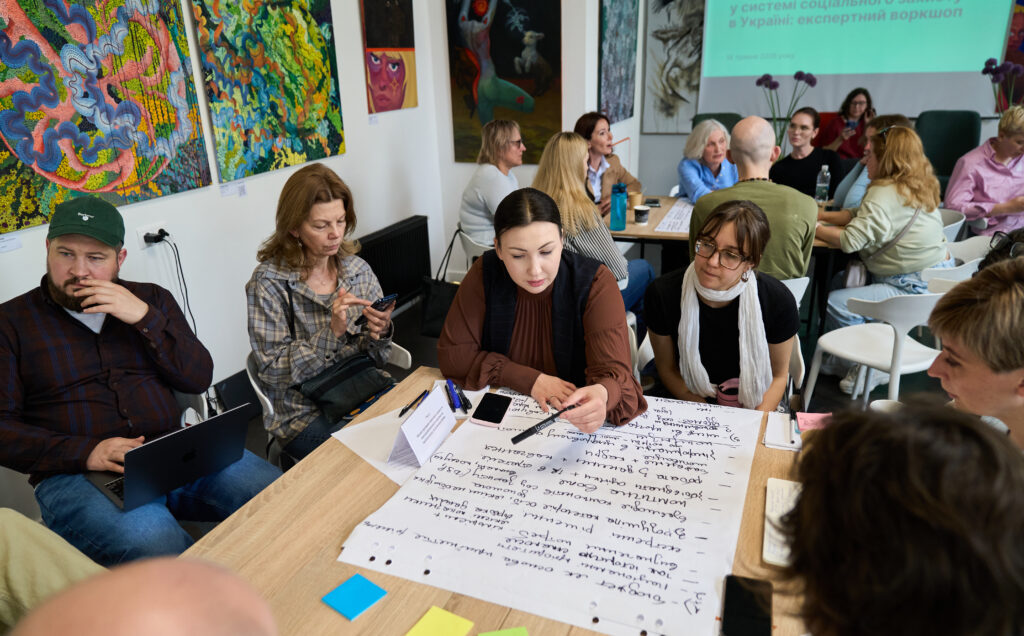
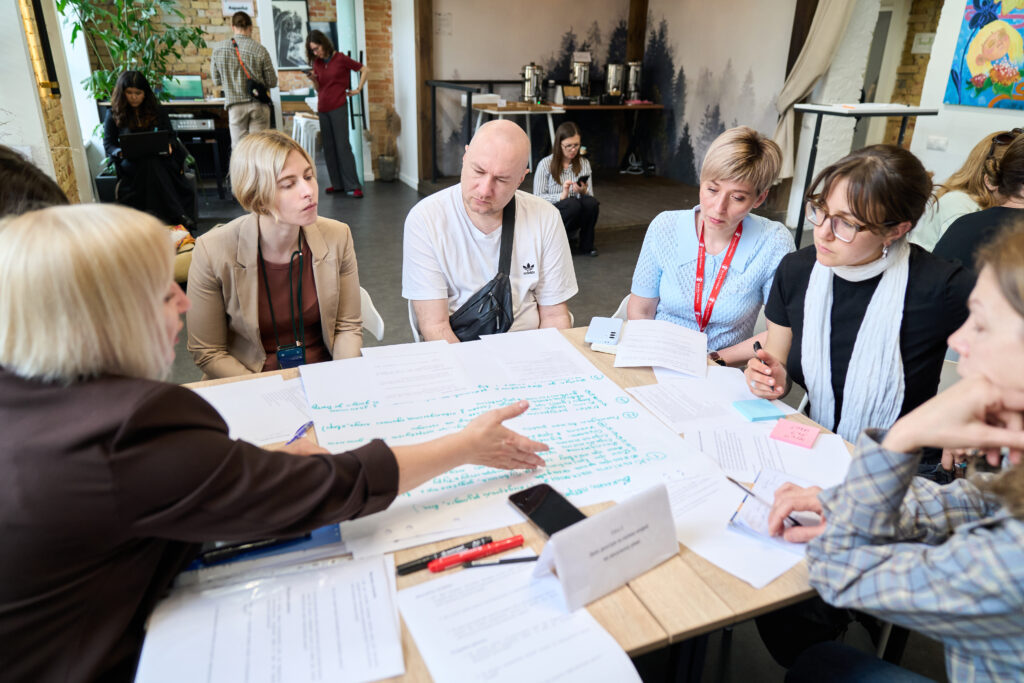
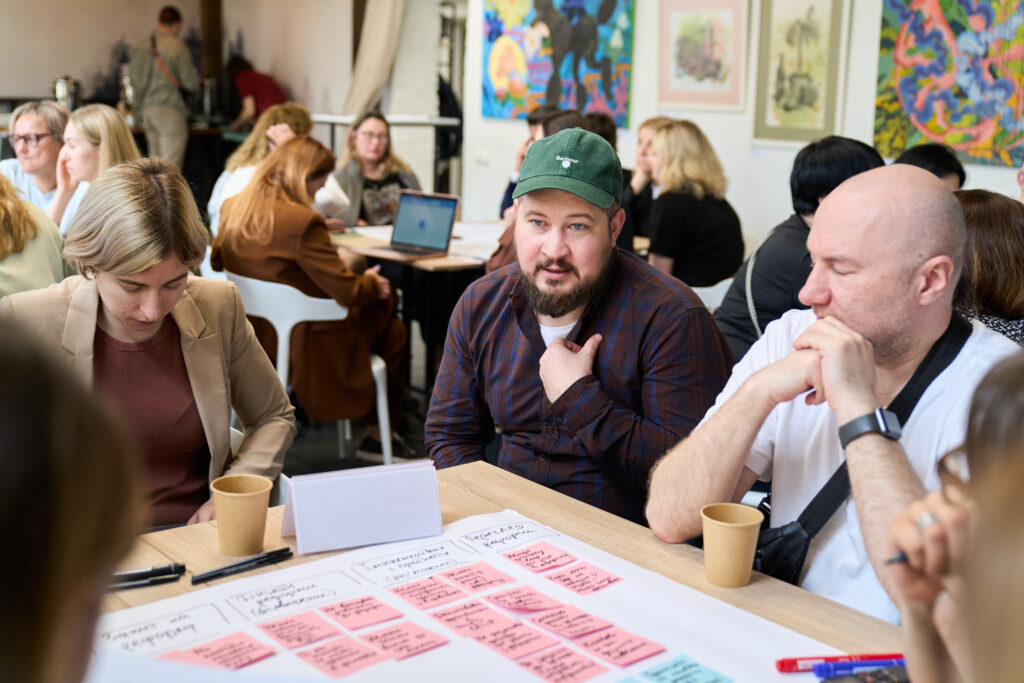
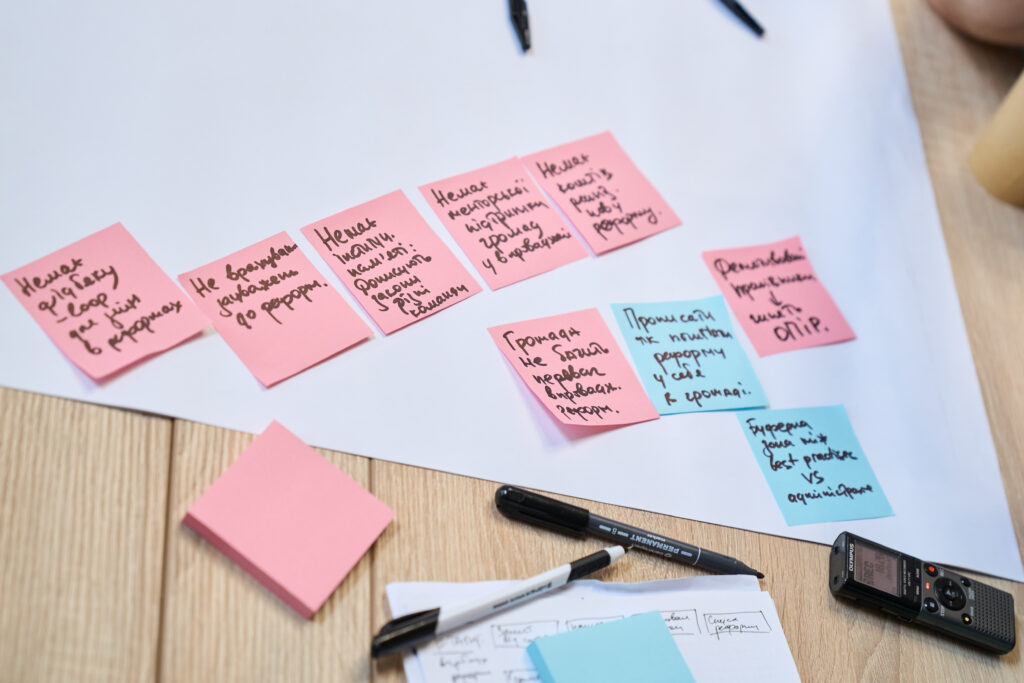
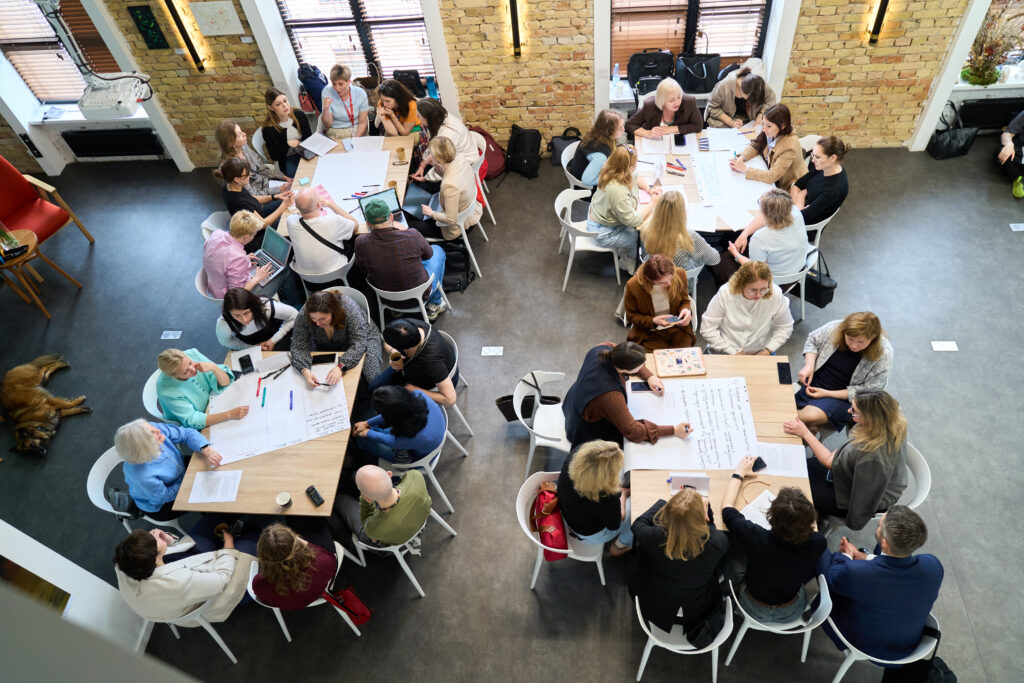
In summarising the findings, the experts emphasised that the social protection system must be people-centred and based on identifying people’s real needs.
The materials developed during the workshop will be included in the research.
This study is supported by the UK government within the framework of the Social Protection for Inclusion, Resilience, Innovation and Transformation (SPIRIT) project, implemented by UNICEF Ukraine. The views do not necessarily reflect the UK Government’s and the UNICEF Ukraine official policies.
The workshop was held as part of the ‘Evidence-based Recovery and Cohesion Lab’ project, implemented with financial support from the Matra Programme of the Kingdom of the Netherlands.
Support Cedos
During the war in Ukraine, we collect and analyse data on its impact on Ukrainian society, especially housing, education, social protection, and migration

 Support


