






The project was implemented by the NGO “Syla Hromady” in partnership with Kolomyia City Council and the Unified Centre for Rehabilitation and Social Services in Kolomyia. The spatial mentor was Olena Dovgopolova, an architect and founder of INAKSHI architects. The programme mentor is Illia Dmytryshyn, a mentor specialising in supporting military personnel at the UNBROKEN rehabilitation centre.
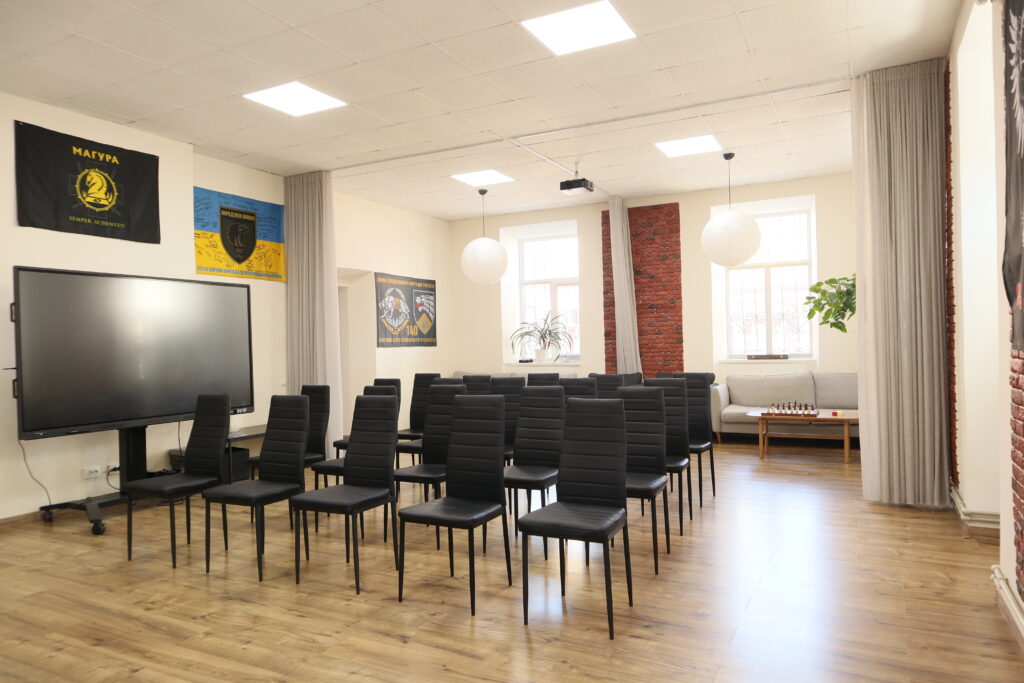
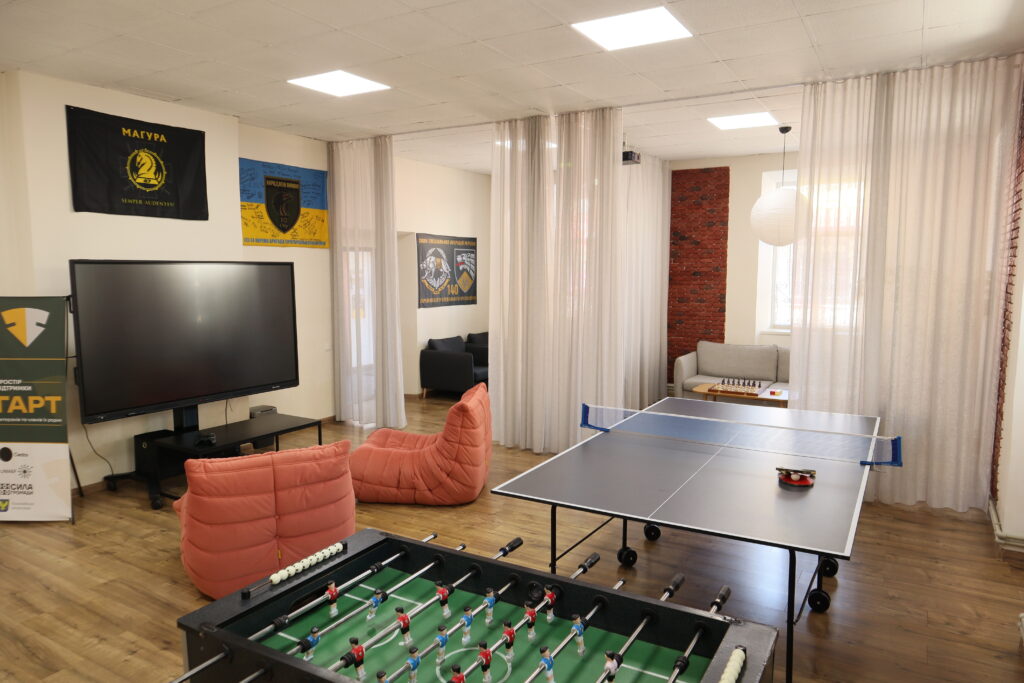
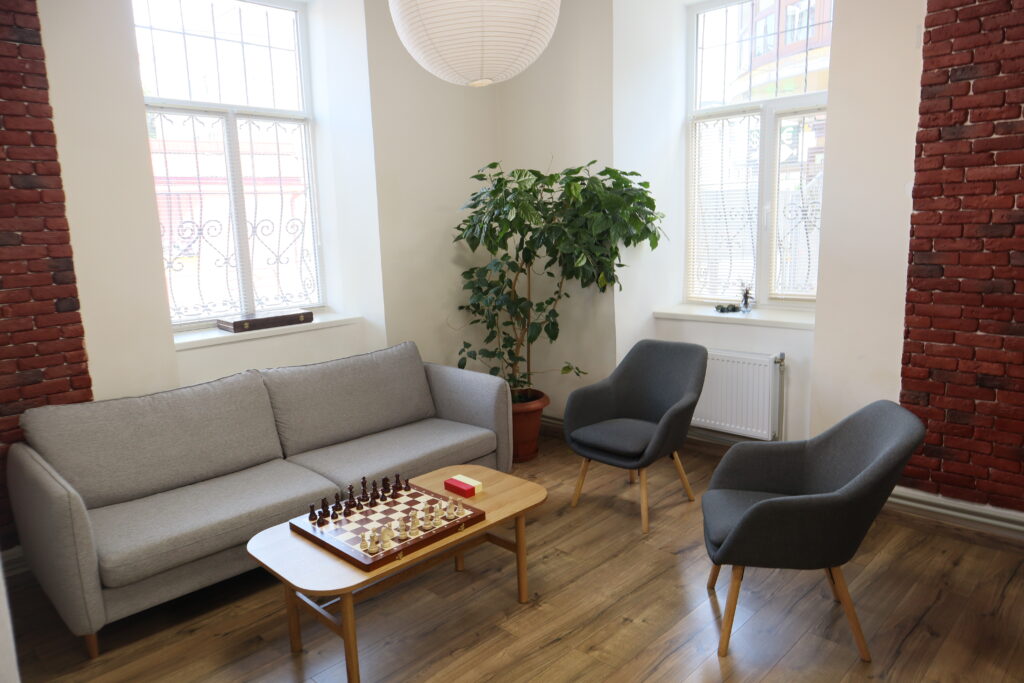
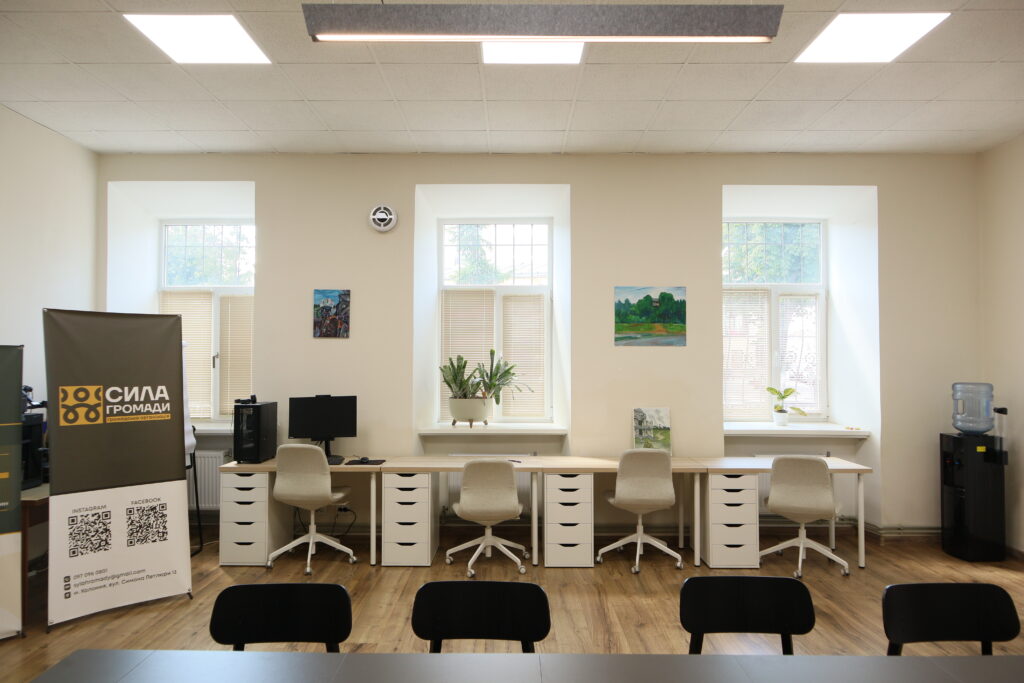
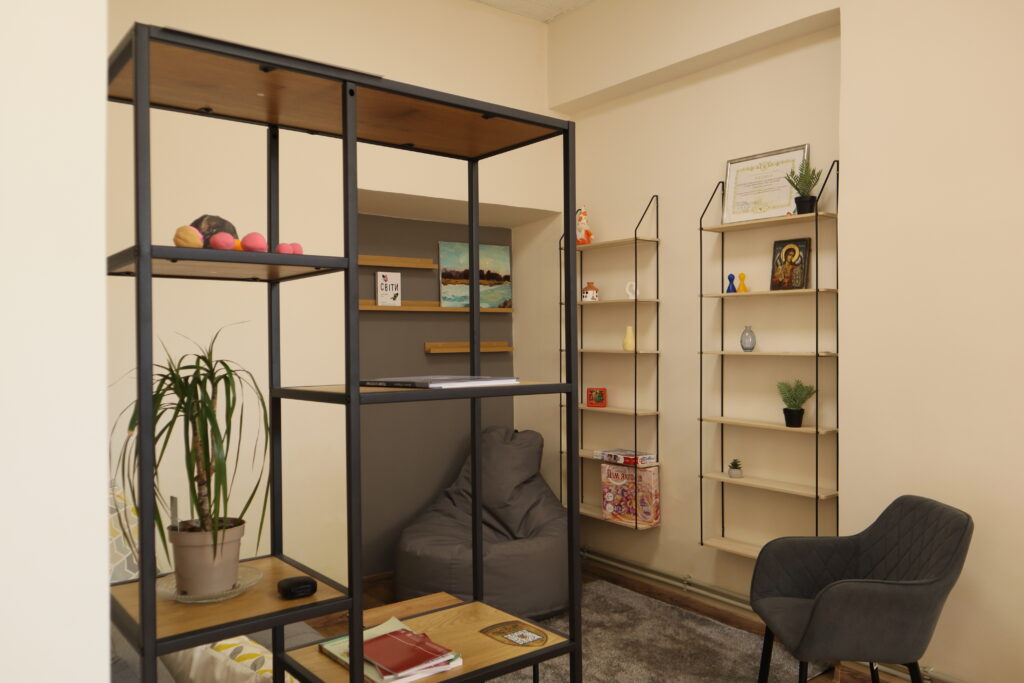
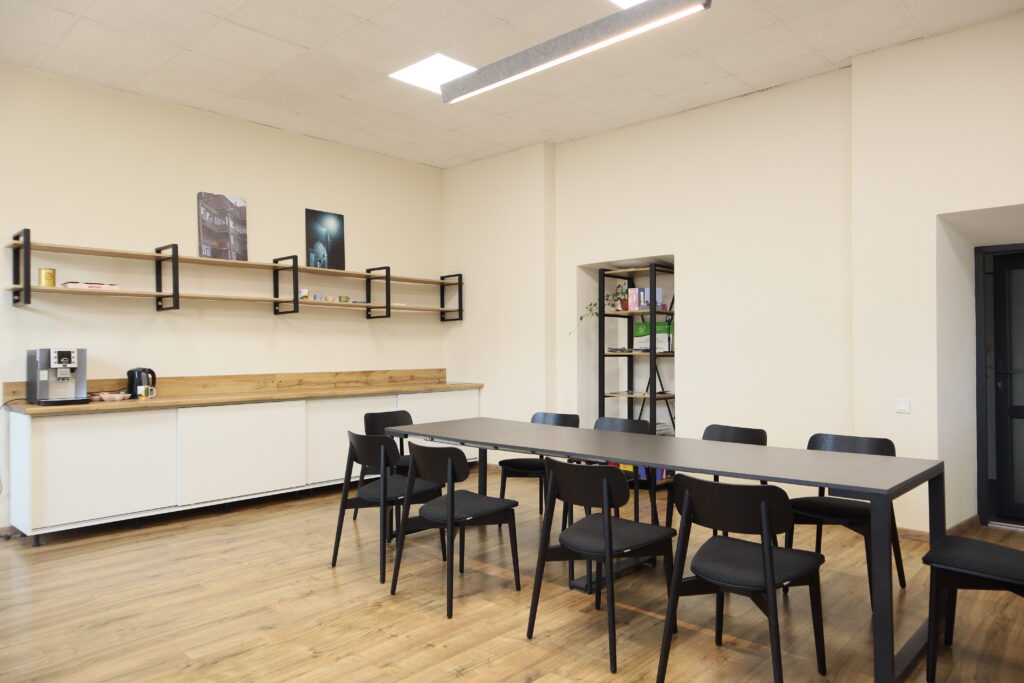
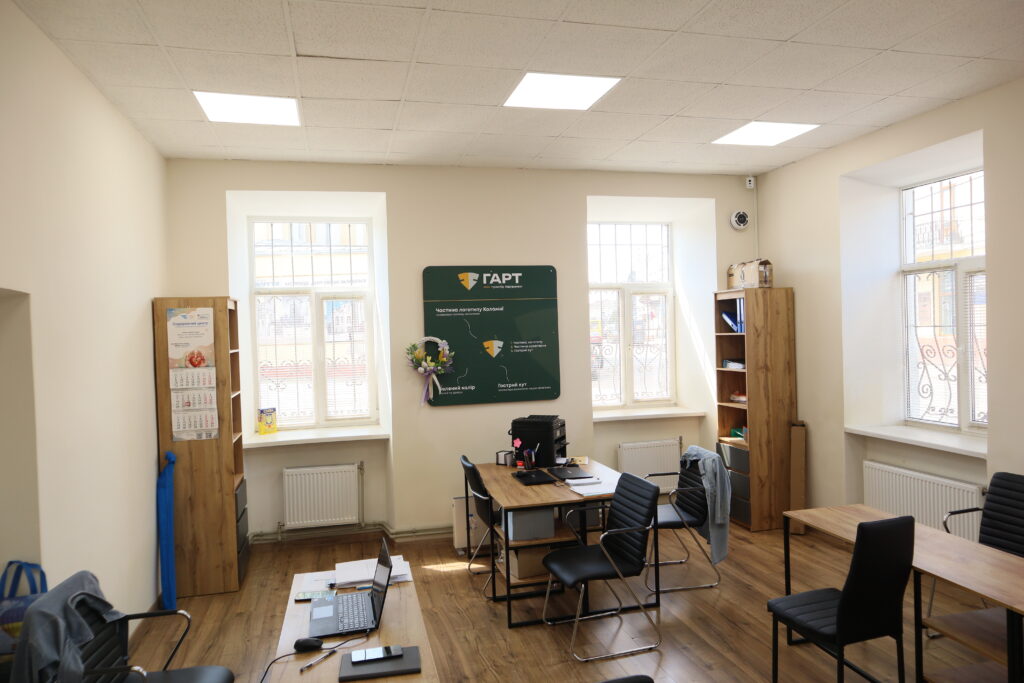
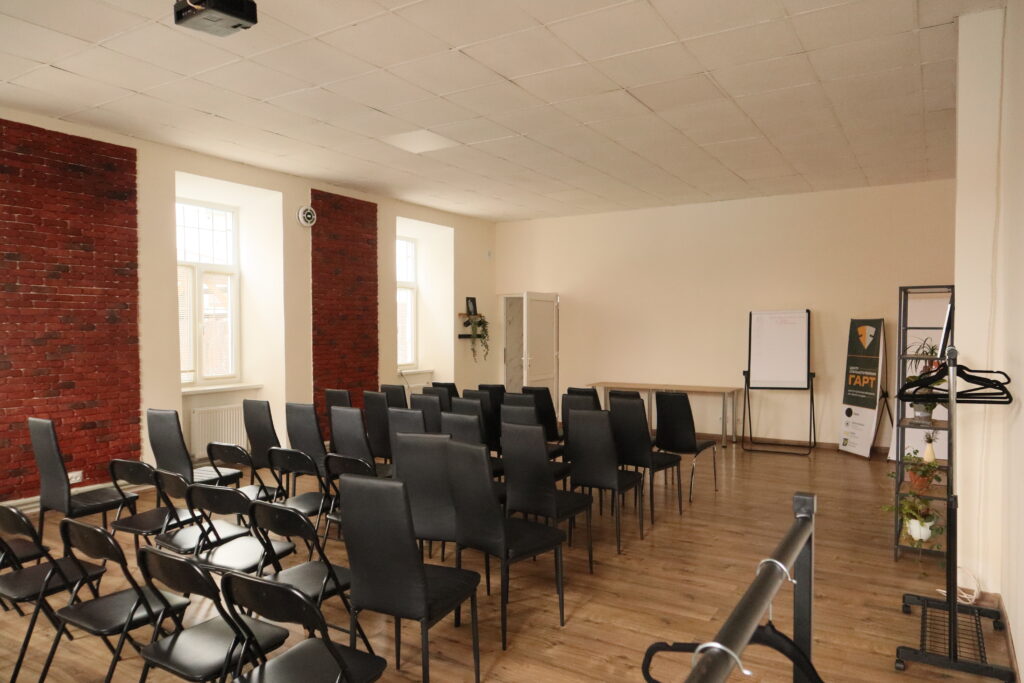
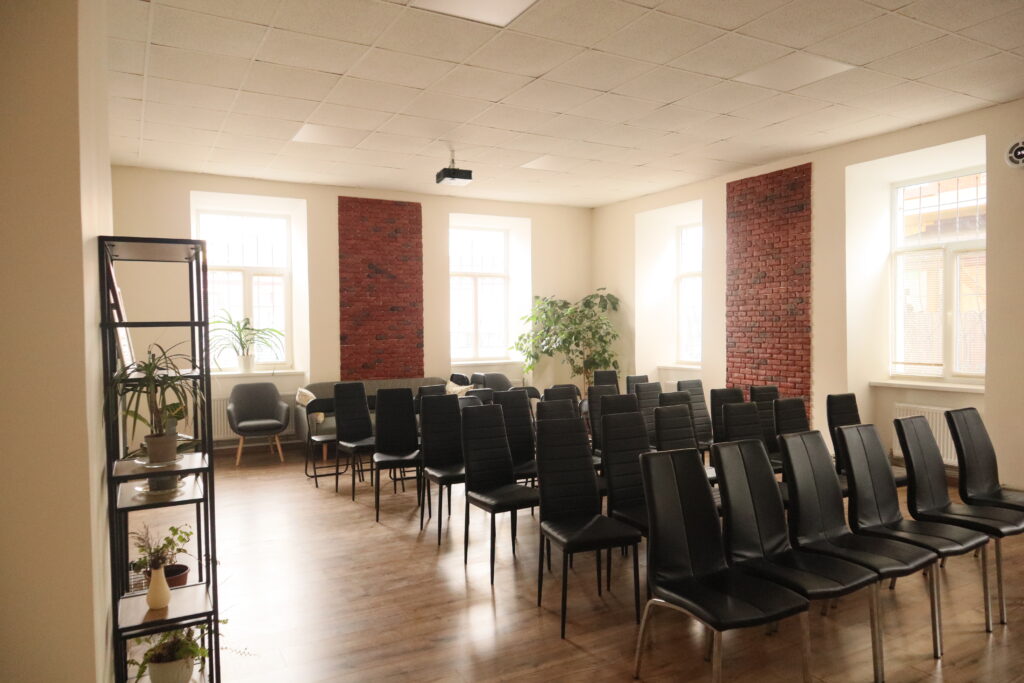
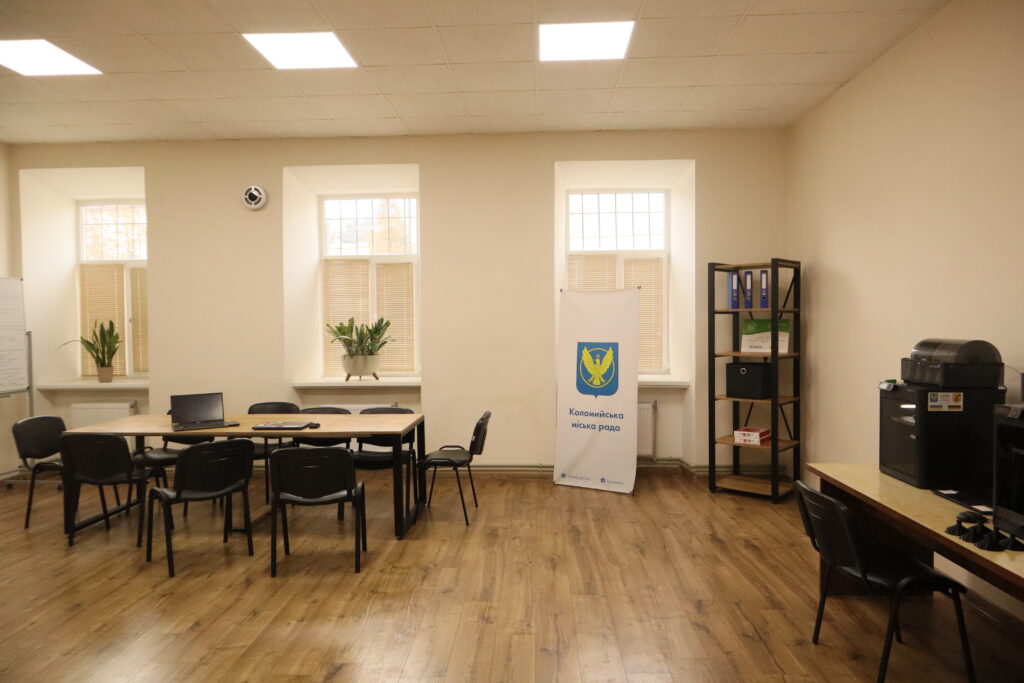
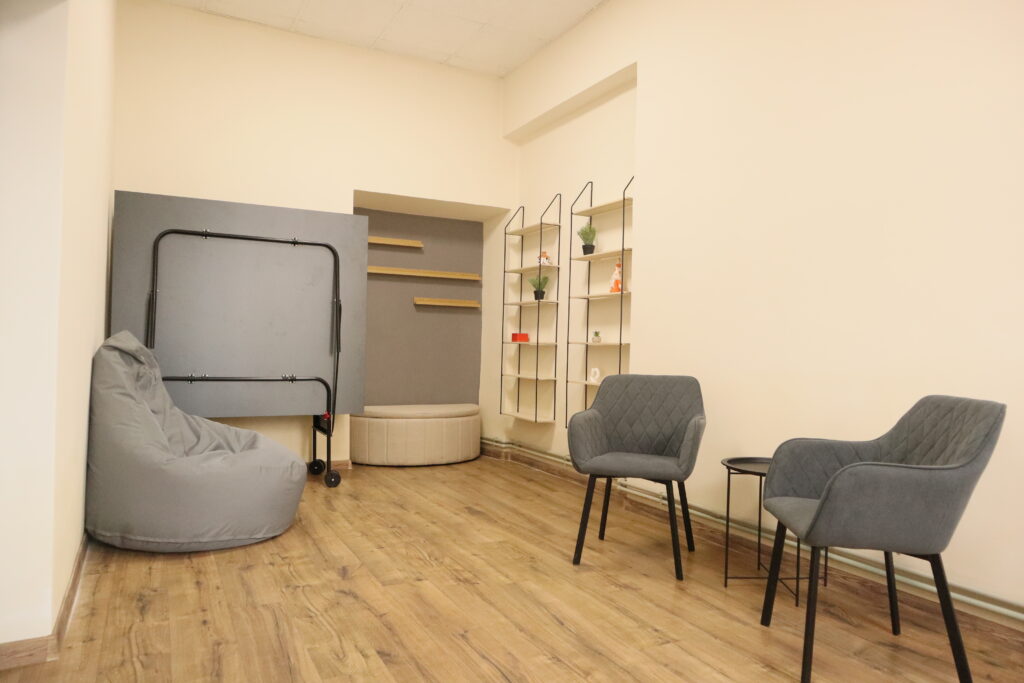
On 26 July, the “Hart” community space team presented the results of eight months’ work on the project. During this time, the community-building centre developed and implemented a plan for the physical transformation of the space, discussed its future with local residents, provided legal and psychological support to veterans, and organised dozens of events for the hromada.
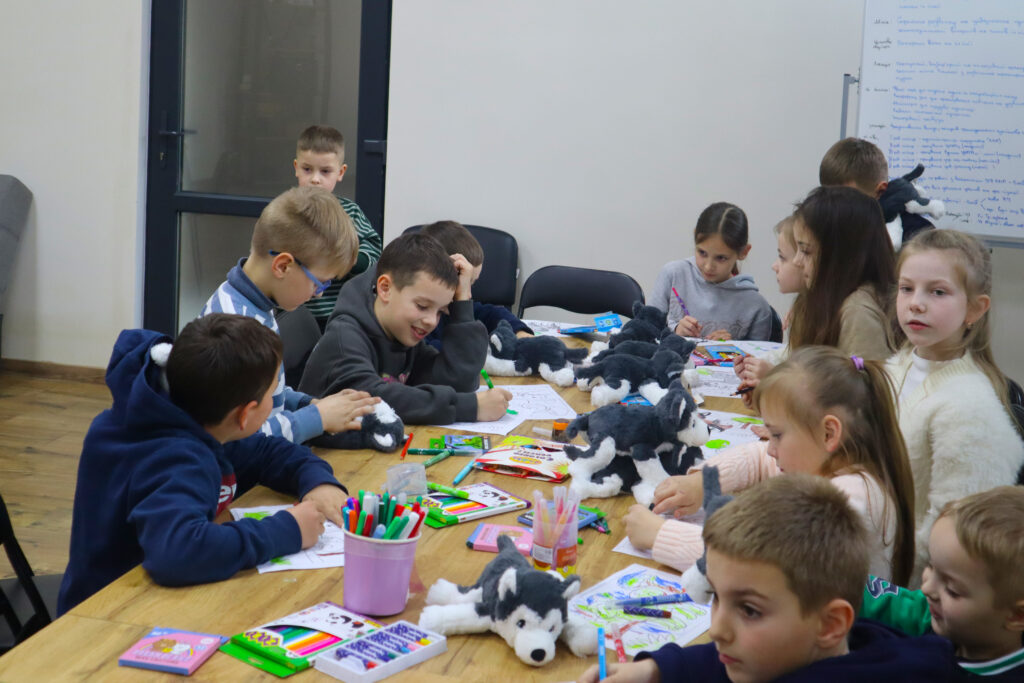
Interestingly, the project itself has extended beyond the premises. They organise outreach training sessions, events and recreational activities here, and these are not aimed solely at specific sections of the population. The team works with children, adults, teenagers, veterans, civilians and military personnel alike. They involve every member of the hromada, giving them a place within the space and the opportunity to express themselves.
Ilya Dmytryshyn, a mentor supporting military personnel at the UNBROKEN rehabilitation centre. Programme mentor for the Kolomyia hromada
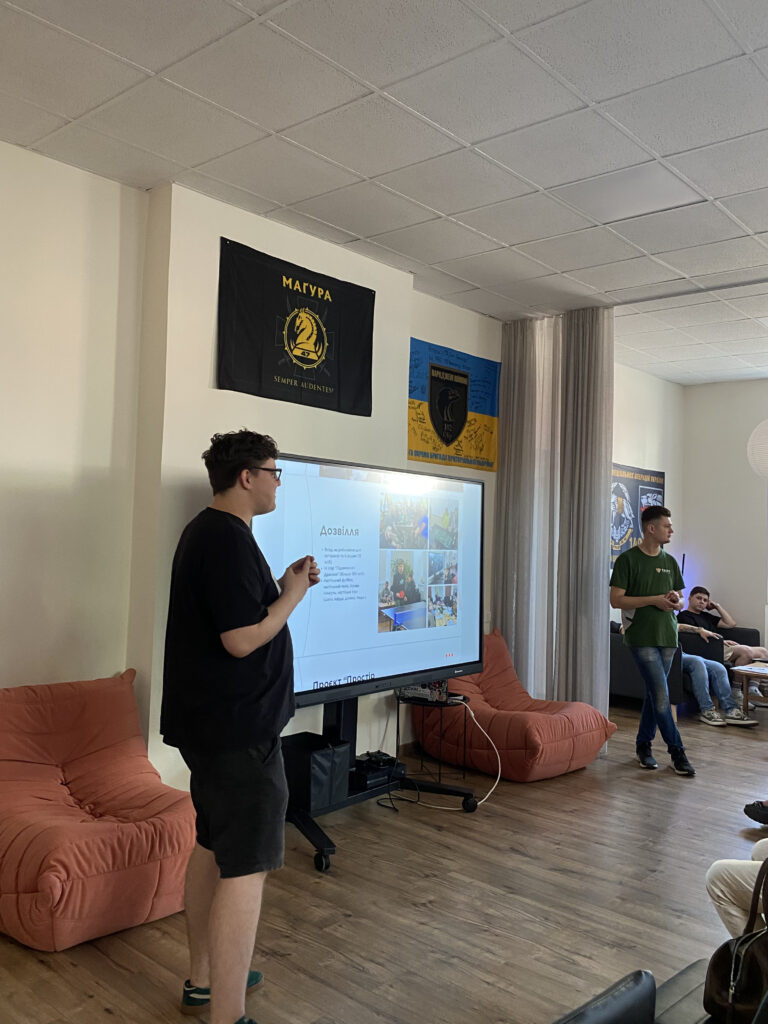
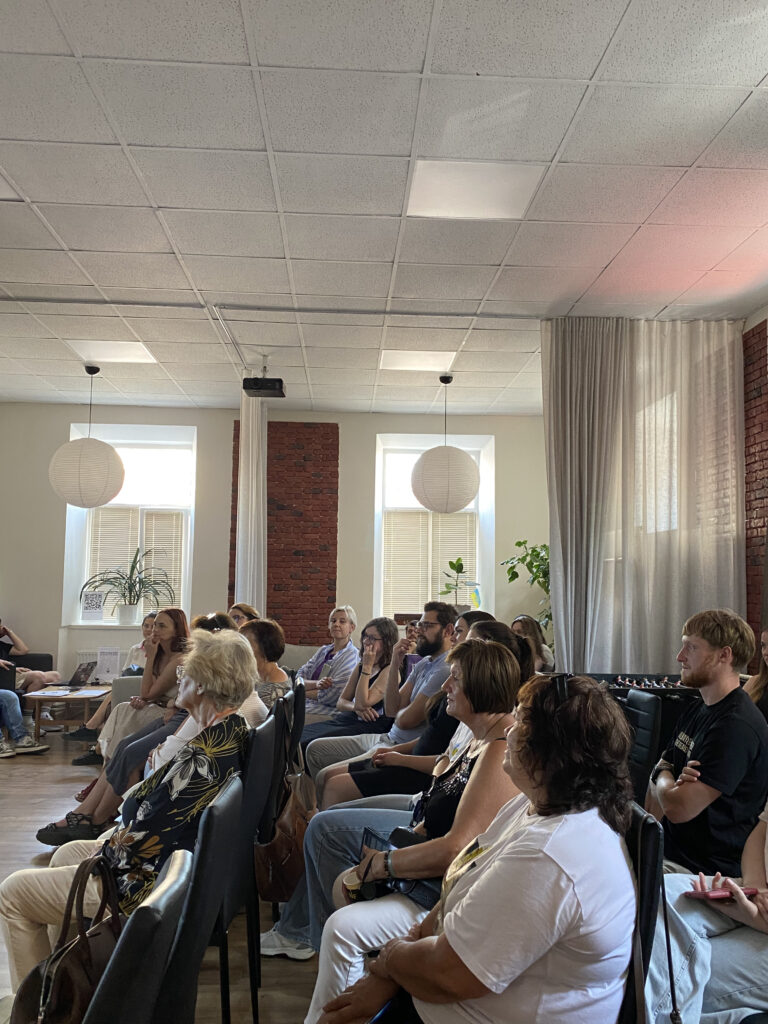
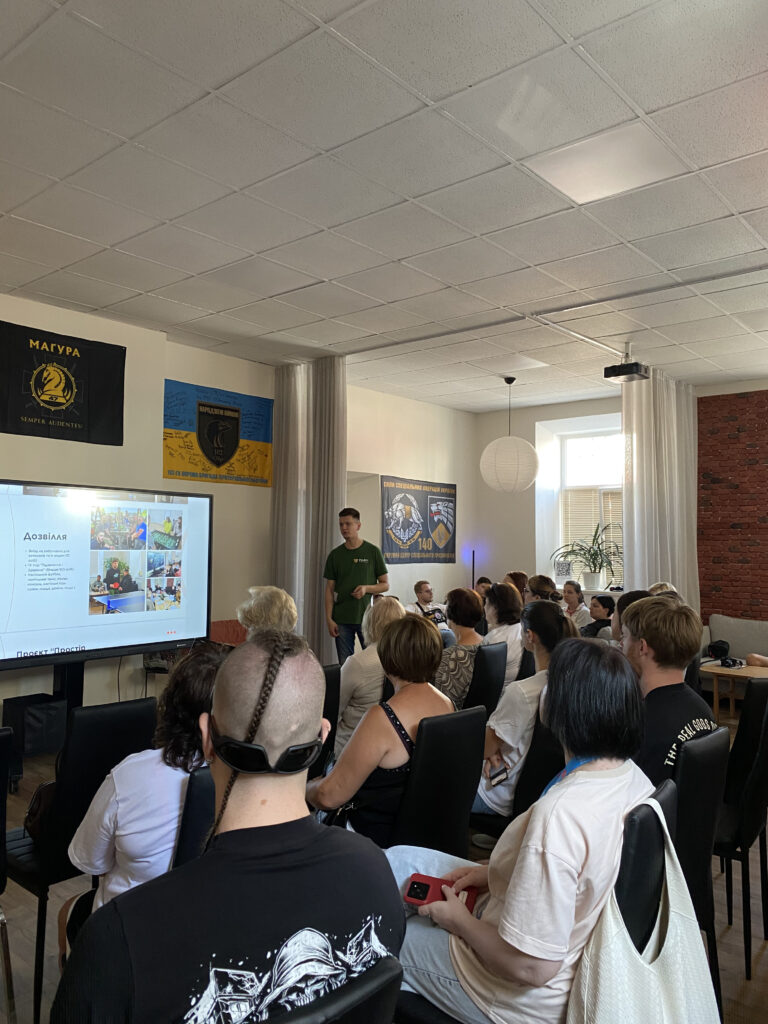
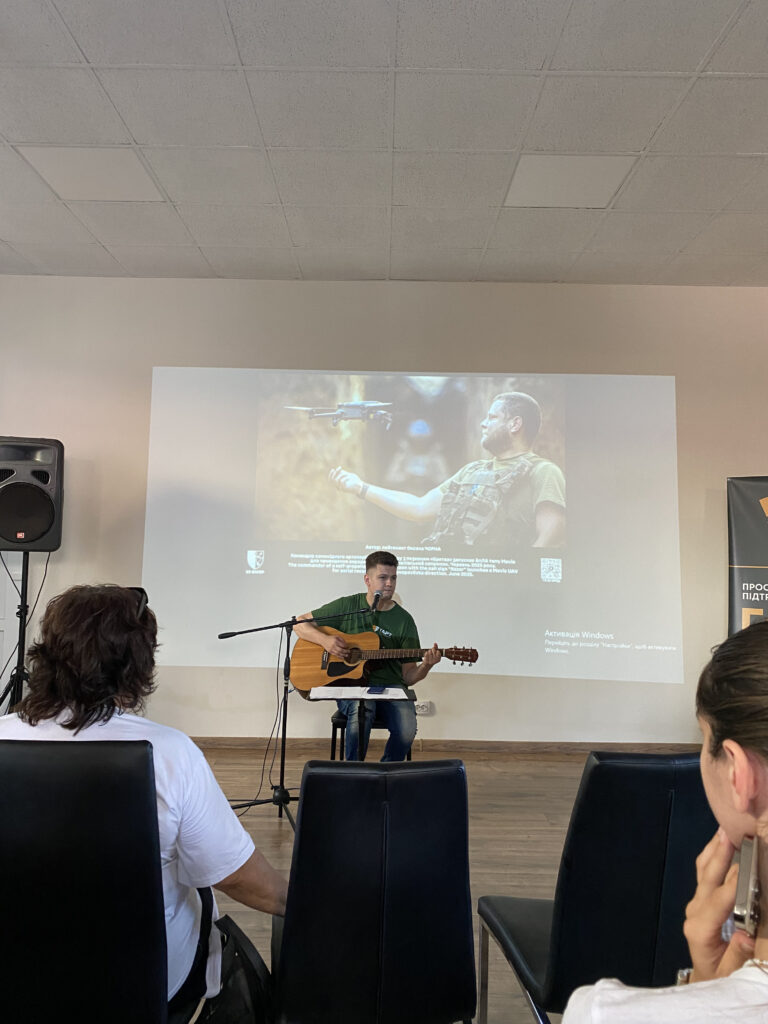
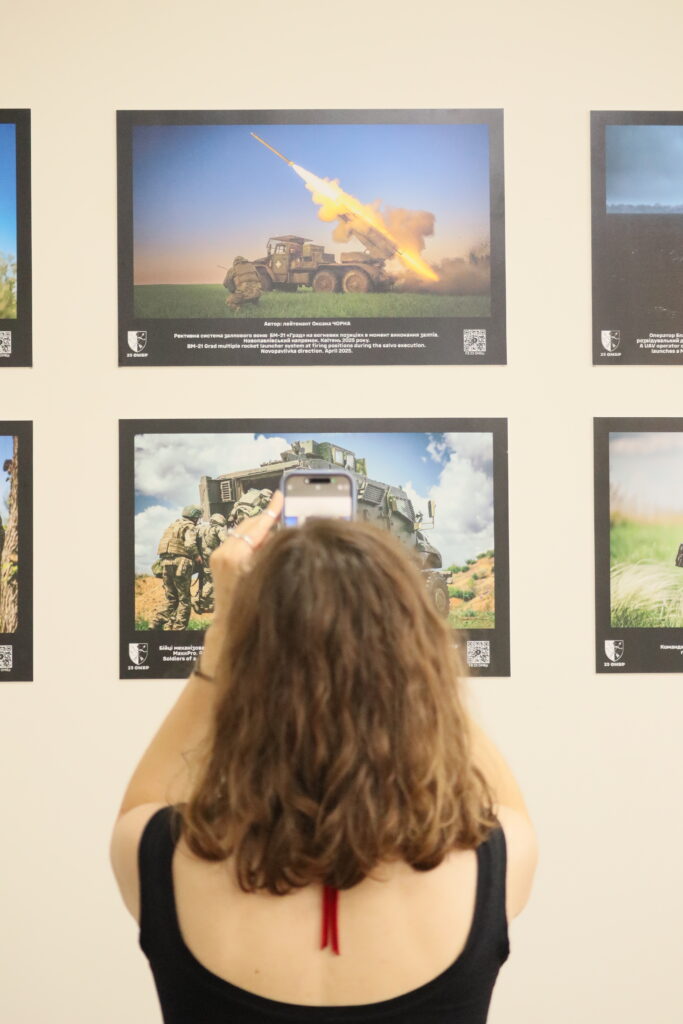
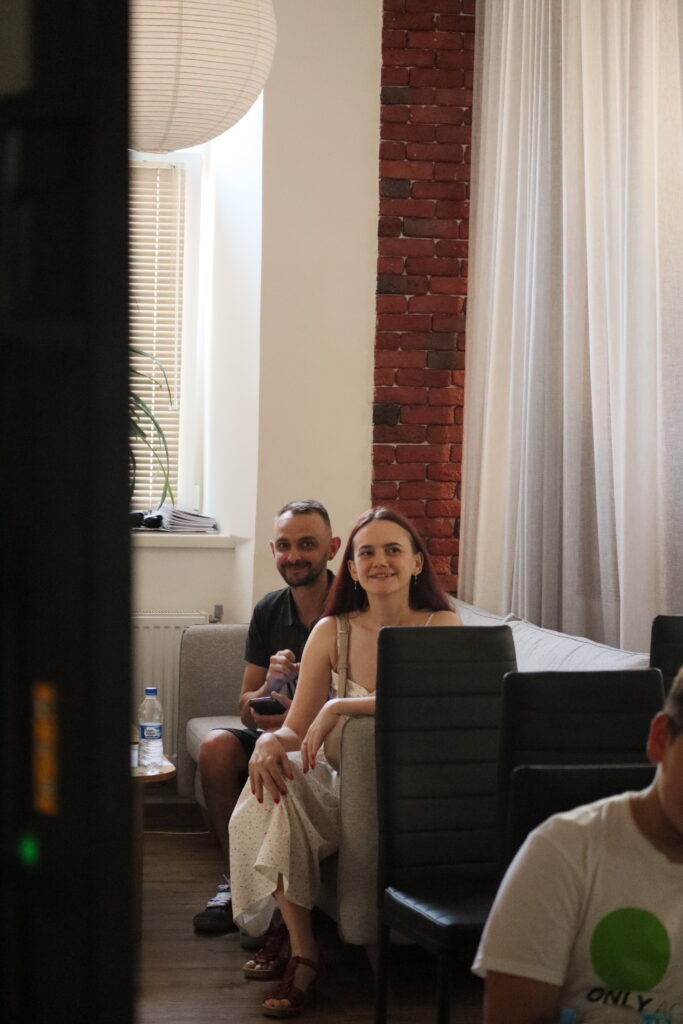
The presentation was complemented by the opening of a photography exhibition on the daily life of the 23rd Mechanised Brigade, curated by Oksana Chorna — a researcher, veteran and documentary photographer who documents women’s experiences of war. The event concluded with an acoustic concert by Taras Herelyuk, programme manager at “Syla Hromady”, and an open mic session for anyone wishing to take part.
About the “Hart” Community-Building Centre
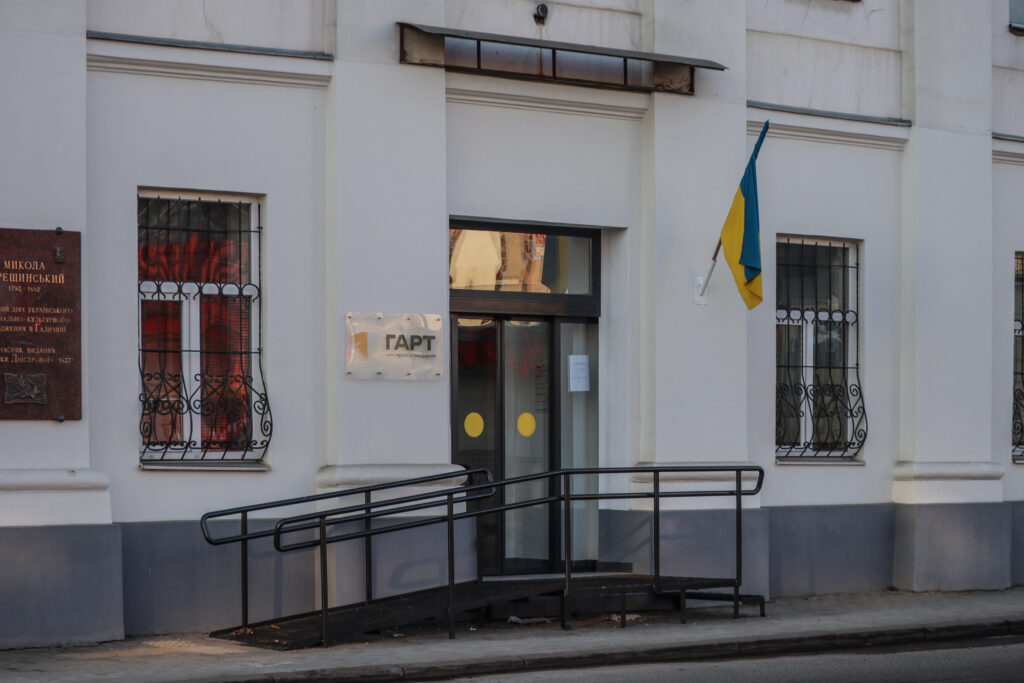
The idea of creating a space for veterans first emerged within the “Syla Hromady” organisation in 2023. A sociological survey conducted in the Kolomyia hromada confirmed the demand for such a space. The “Hart” Community-Building Centre was opened on the ground floor of the Unified Centre for Rehabilitation and Social Services in the city of Kolomyia.
We realise that neither the city council nor a community organisation can achieve much on their own. But by working together, we can achieve more. Our city has long recognised this, and we have been moving in this direction for quite some time. When representatives of “Syla Hromady” approached us with their idea, we discussed their vision for the project and our own. We reached a consensus that the hromada is also interested, and we want to develop this area.
Iryna Lersh, Deputy Director of the Unified Centre for Rehabilitation and Social Services in Kolomyia
The centre officially opened its doors to visitors on 8 November 2024. Its mission is to bring together the efforts of local residents to support and develop the capabilities of veterans and their families.
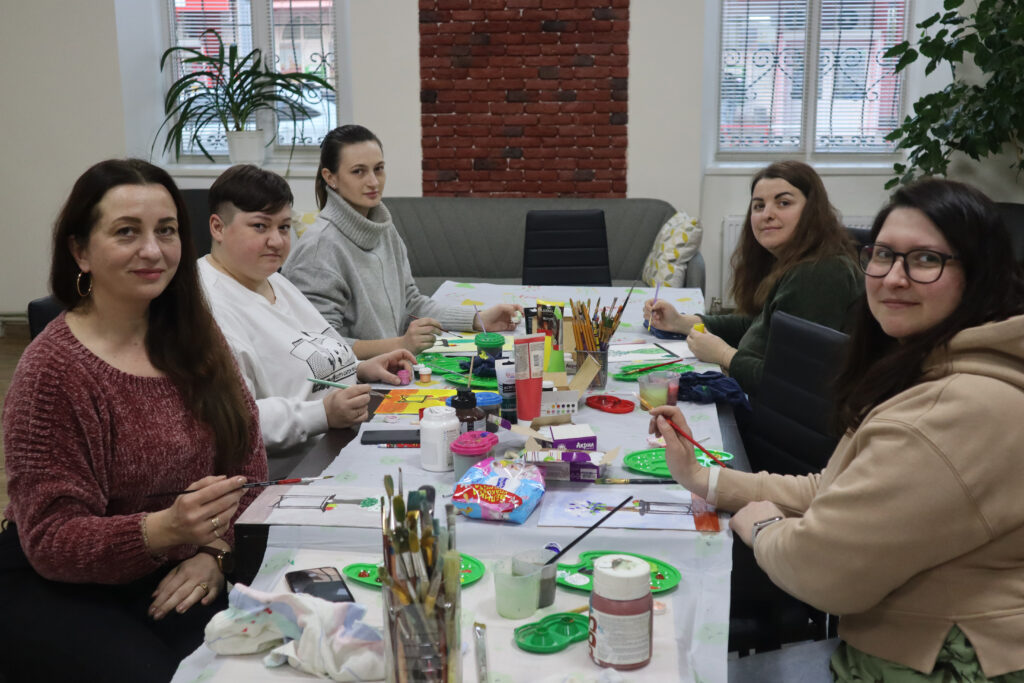
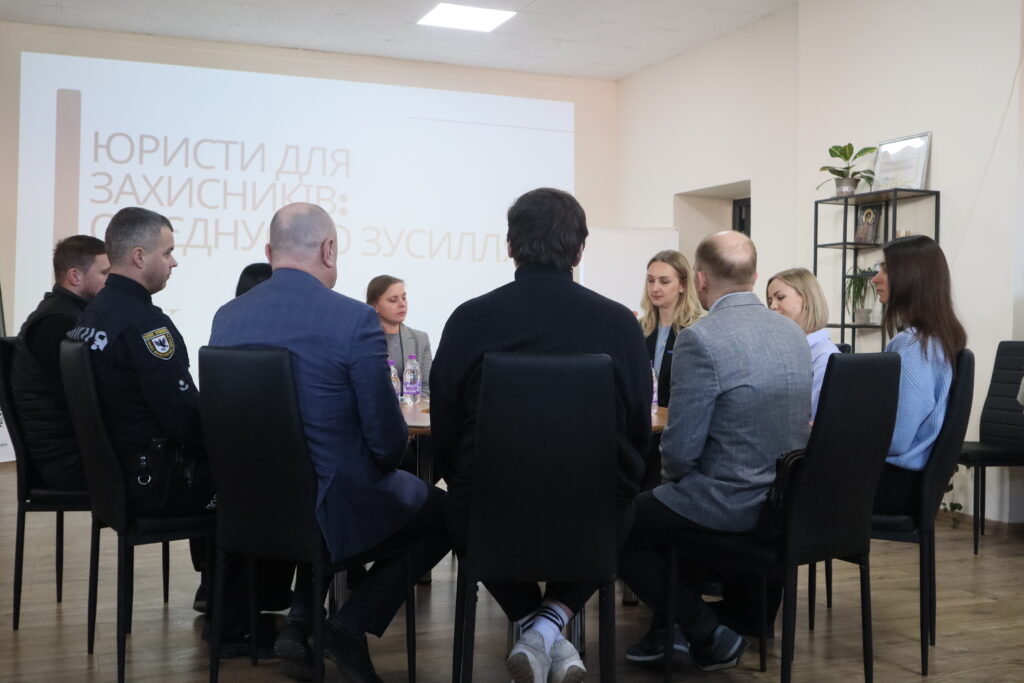
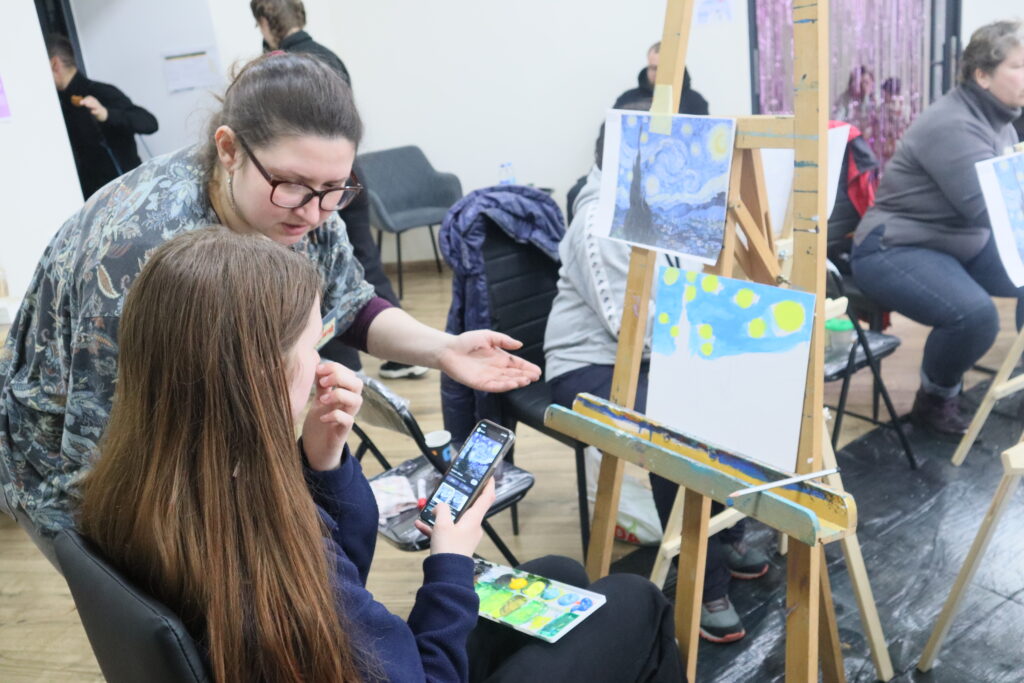
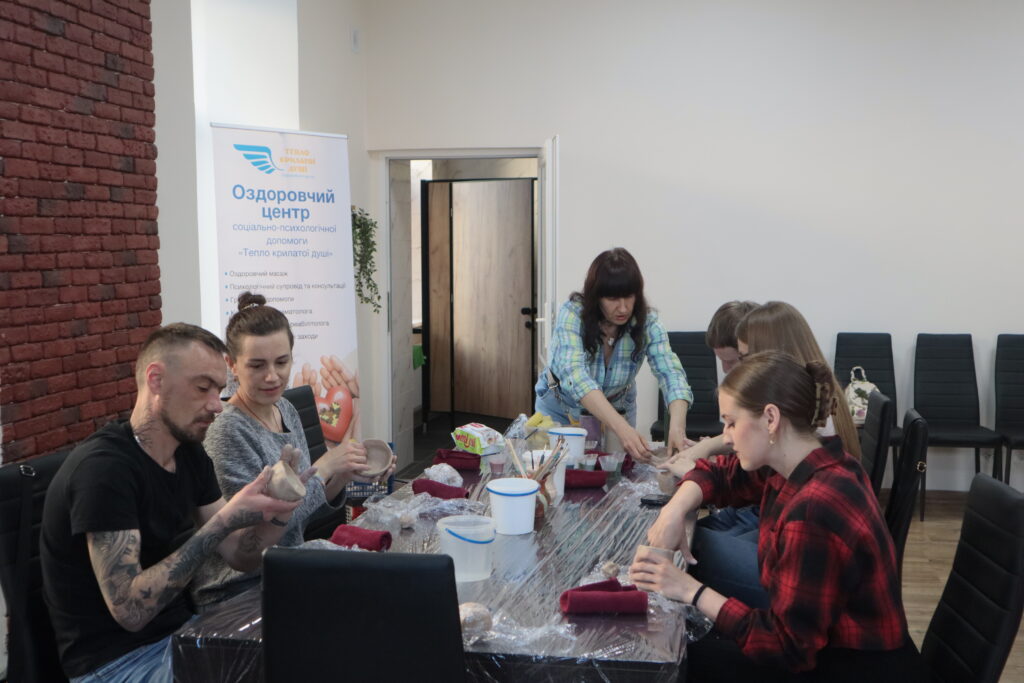
Our greatest achievement is that we have managed to engage various community organisations and different target groups. From the very beginning, our aim was to bring the hromada together and pool our efforts. In creating this space, we are primarily focusing on veterans, but we realise that there are actually not that many of them in our hromada yet. So, by implementing such projects, we are really preparing ourselves, trying out different methods, and checking what works and what doesn’t. That is why I believe that the main achievement is not the services themselves, nor the methodologies, but the fact that we have managed to bring together a large number of different civil society organisations and local authorities for a common cause.
Taras Herelyuk, project manager at the NGO “Syla Hromady”
The centre’s main areas of activity in community building are:
- case management and counselling for veterans;
- psychological support: individual counselling, therapeutic support groups and group therapy for children and adults;
- art therapy through painting and pottery;
- training sessions on writing grant applications, media literacy, first aid and mine and explosive safety;
- art exhibitions and public events;
- leisure activities: fishing trips, role-playing and board games.
According to Vladislav, a veteran of the 93rd Mechanised Brigade, one of the centre’s most essential services is case management. “There are a great many issues which, for example, the state and the brigades are unable to address in time, but which case managers can handle. And that’s very good. Legal support is just as important, because there are so many enquiries and requests. Resolving legal issues for service personnel is the top priority,” he says.
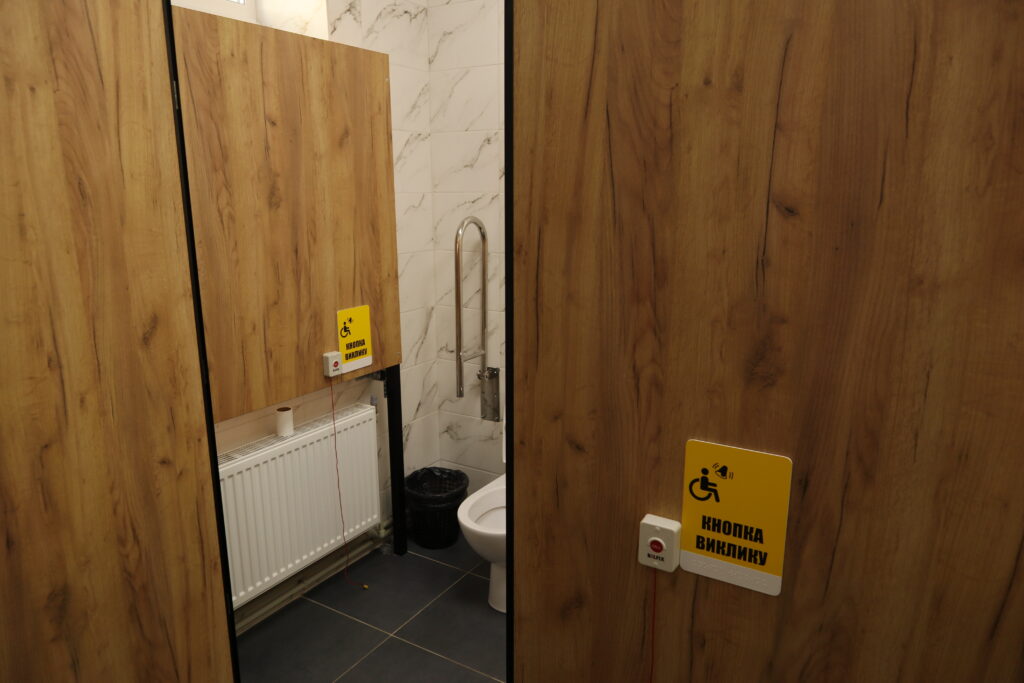
As part of the refurbishment, architectural accessibility was taken into account – the ramp at the entrance was refurbished, the toilet facilities were renovated, and signs in Braille and staff call buttons were installed.
Our greatest achievement as a team is that people have realised they are the owners of the space, its primary users, and can organise any given area within it themselves to suit their own needs. And that’s the coolest thing – when people take it upon themselves to do something for themselves. I think that was the main objective.
Olena Dovgopolova, architect and founder of INAKSHI architects. Spatial mentor for the Kolomyia hromada
Support Cedos
During the war in Ukraine, we collect and analyse data on its impact on Ukrainian society, especially housing, education, social protection, and migration

 Support


