






After conducting desk research and conducting key informant interviews, our team traveled for in-depth discussions with national consultants and other stakeholders. This allows us to validate the findings and results of our research and to understand how they are interpreted by representatives of the education systems in the focus countries.
In particular, preliminary findings show that policies and practices related to the resilience of the education system are primarily aimed at improving the quality of education, promoting digitalization, improving teachers’ working conditions, and ensuring equal access to education. However, the resilience of the education system tends to be reactive in nature. Measures aimed at responding to crises faced by countries predominate over those aimed at identifying potential risks and mitigating their consequences.
Education systems throughout the studied region generally face similar challenges, including a lack of technical equipment in schools, a shortage of well-trained teachers, and a persistent urban-rural divide in the quality of education and student achievement.
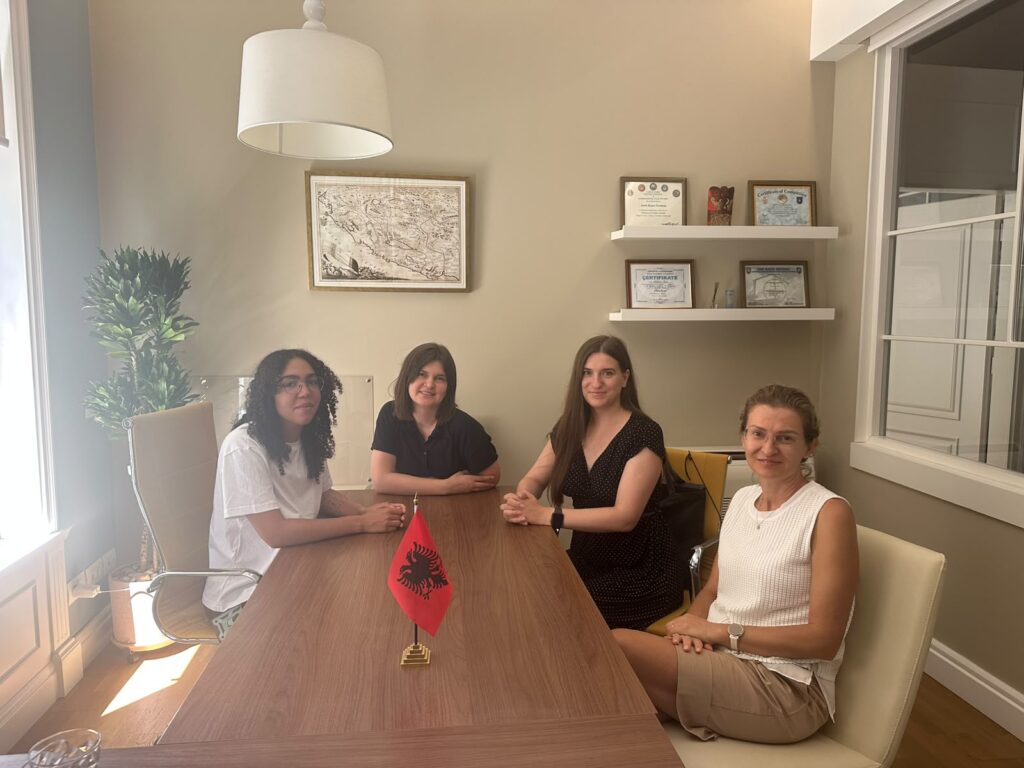
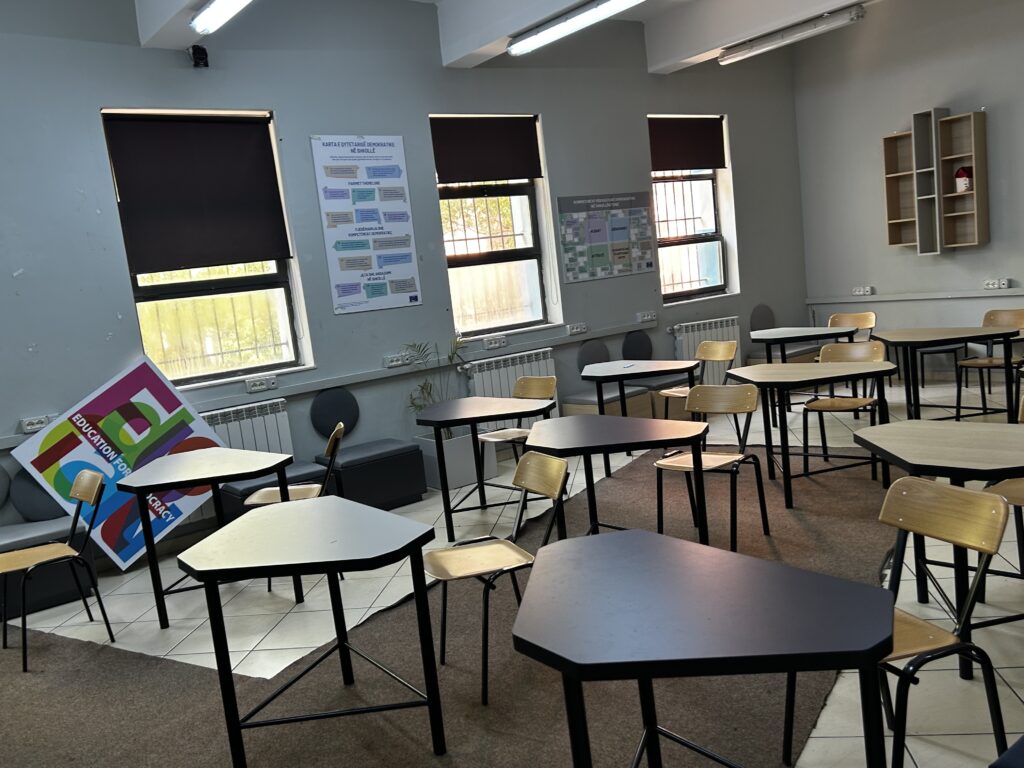
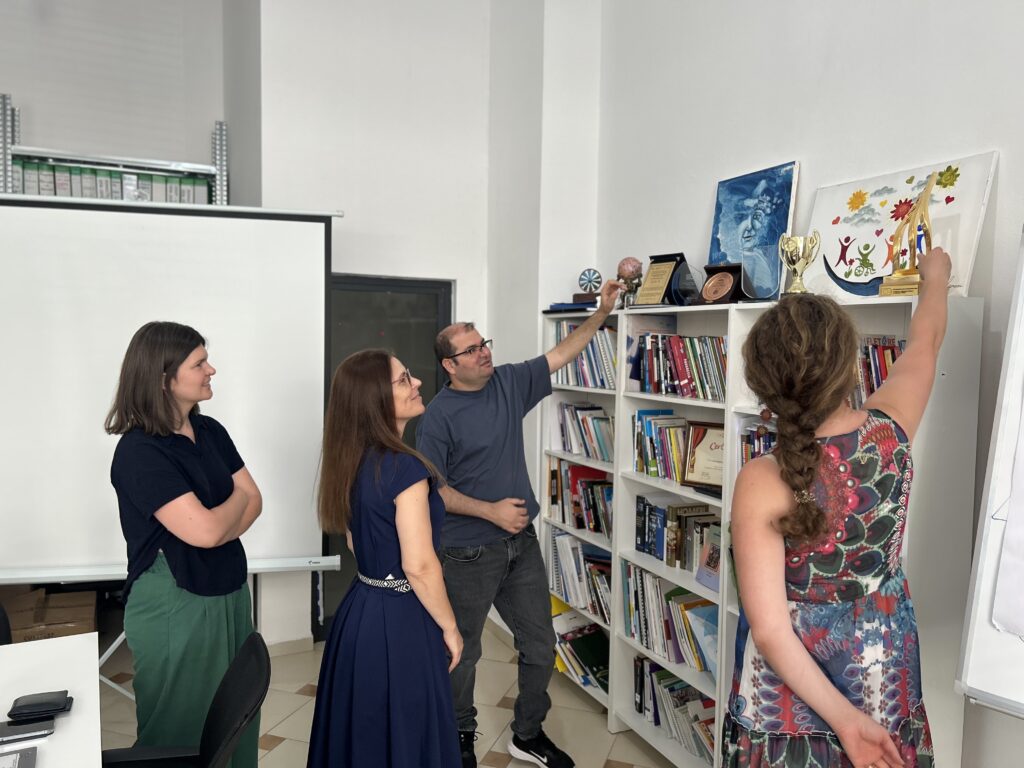
During their visit, Cedos analysts Tetiana Zheriobkina, Olha Satsuk, and Viktoria Odusanvo met with school principals and representatives from Save the Children Albania, MEDPAK, IRCA, and the Children’s Rights Observatory. Topics of discussion included:
- Challenges faced by Albania’s education system over the past 10 years and measures to address them
- The use of the term “resilience of the education system” in education policy, particularly in plans and strategies
- Who are the most vulnerable groups in terms of access to primary and secondary education, and what measures are being taken to support them?
- How are issues related to climate risks and natural disaster threats being addressed?
During the trip, it was incredibly valuable to meet in person with people who are working to improve the education system and to hear about their observations, best practices, and motivations. This allowed us to bridge the gap between theory and real-world practice, delve deeper into the cultural context, and discuss the findings from previous stages of the research in greater detail. In particular, we discovered unexpected commonalities between the education systems of Albania and other countries in the region under study, and we gained a new perspective on certain educational approaches and initiatives.
Viktoria Odusanwo, Cedos analyst and project manager
The “Enhancing Education Resilience in Eastern Europe, Caucasus, and Central Asia through Knowledge and Evidence Dissemination” project is a part of the “Observatory on Education System Resilience” initiative of the Knowledge and Innovation Exchange (KIX), which is implemented with the support of the International Development Research Centre (IDRC) and the Global Partnership for Education (GPE).
Support Cedos
During the war in Ukraine, we collect and analyse data on its impact on Ukrainian society, especially housing, education, social protection, and migration
 Support


