






The project was implemented by the NGO “Borzhava”. The spatial mentor is Marta Buryak, an architect, designer and urban planner. The programme mentor is Liana Mytsko, director of the Lviv Municipal Arts Centre. The architect is Nataliia Hetsko.
The “Fortetsia” space was created as part of Community reBuilding — a project to develop community-building centres run by Cedos and UMAEF.
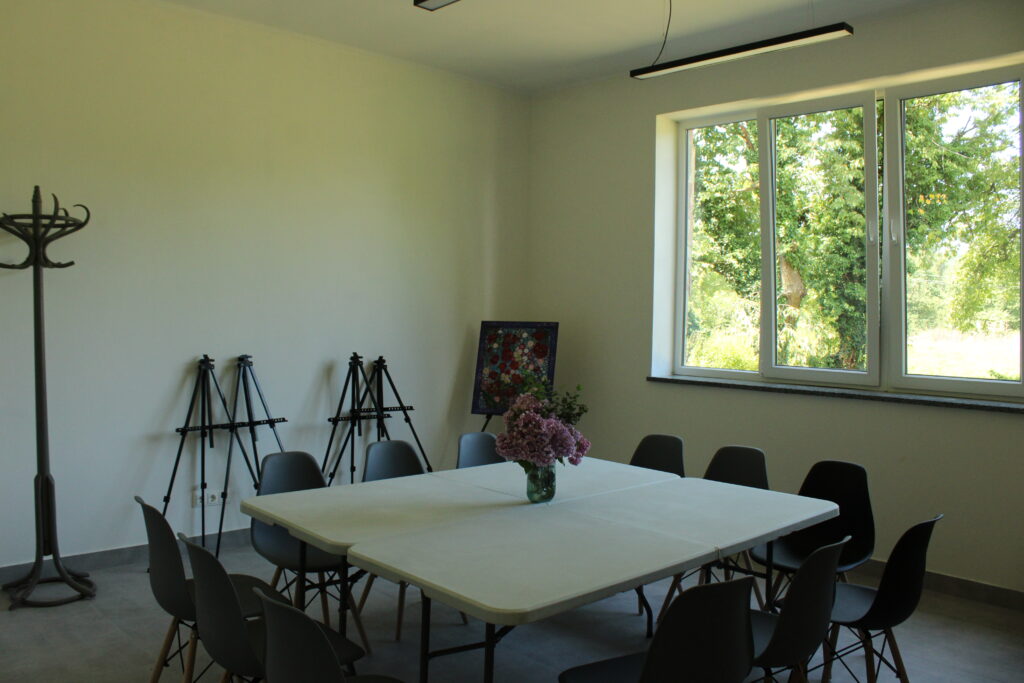
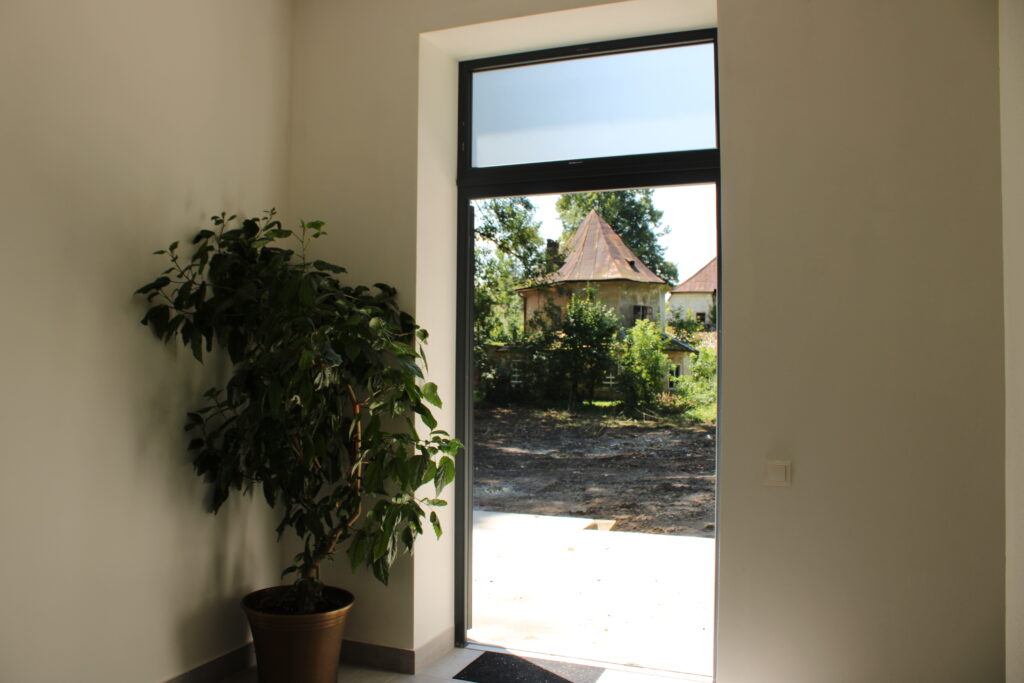
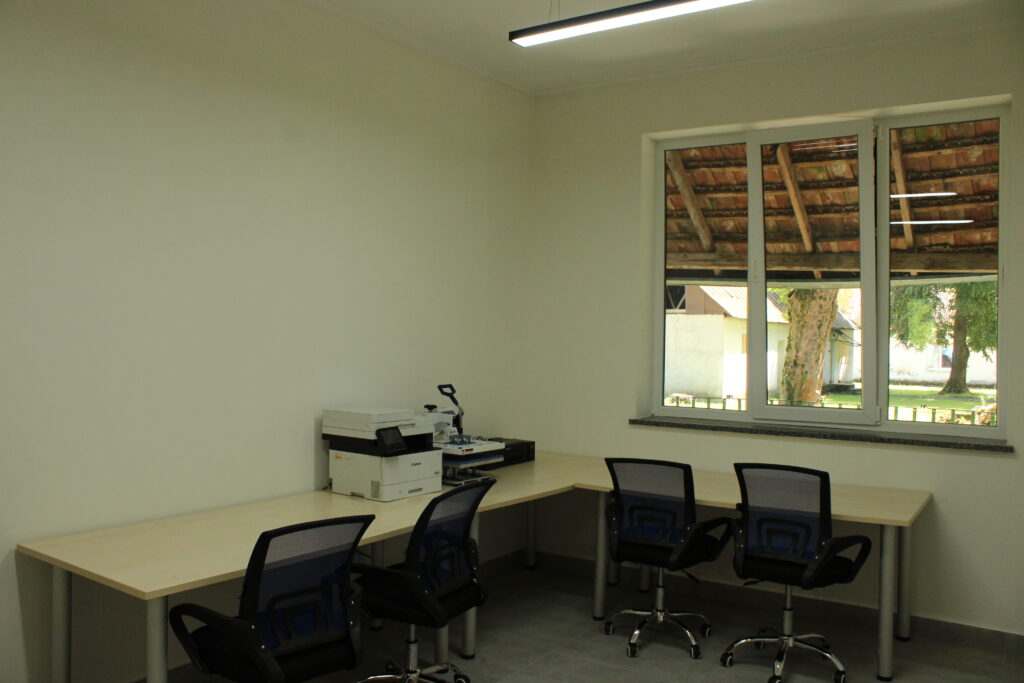
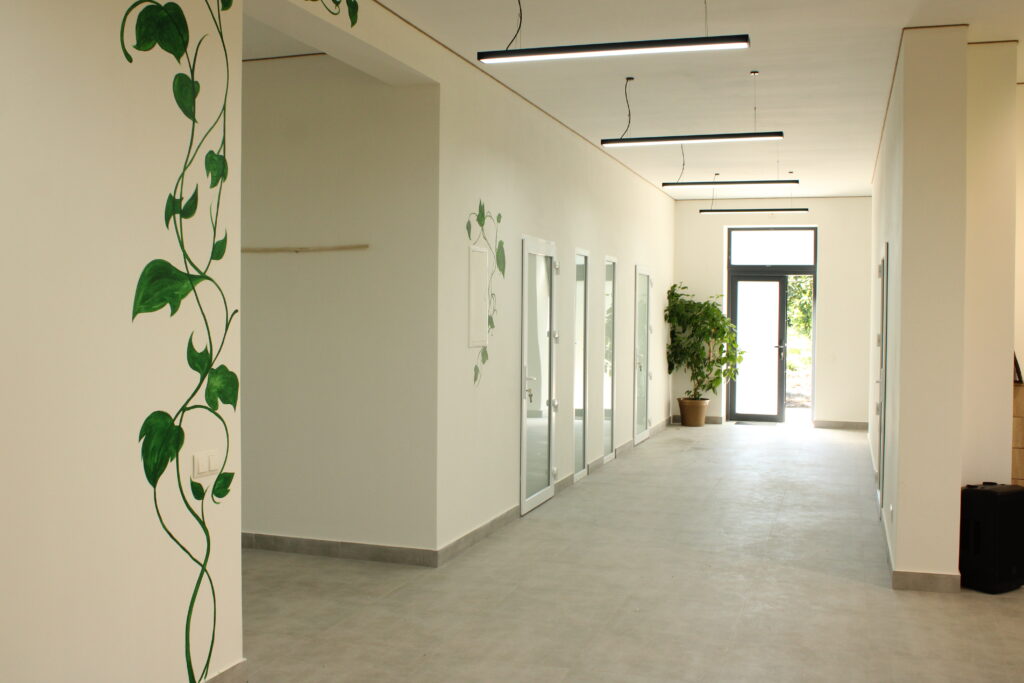
The highlight of the opening ceremony was the “Dovzhanska Lavitsa” folk gathering, inspired by local resident Maria Ivanivna Kosyk. The hromada supported her idea, but there had been no opportunity to form a folk ensemble. So the first performances by “Dovzhanska Lavitsa” took place right here at the community centre. ‘I would like the olden days, the past that we remember so fondly, to come to life and be passed on to future generations,’ said Maria Ivanivna.
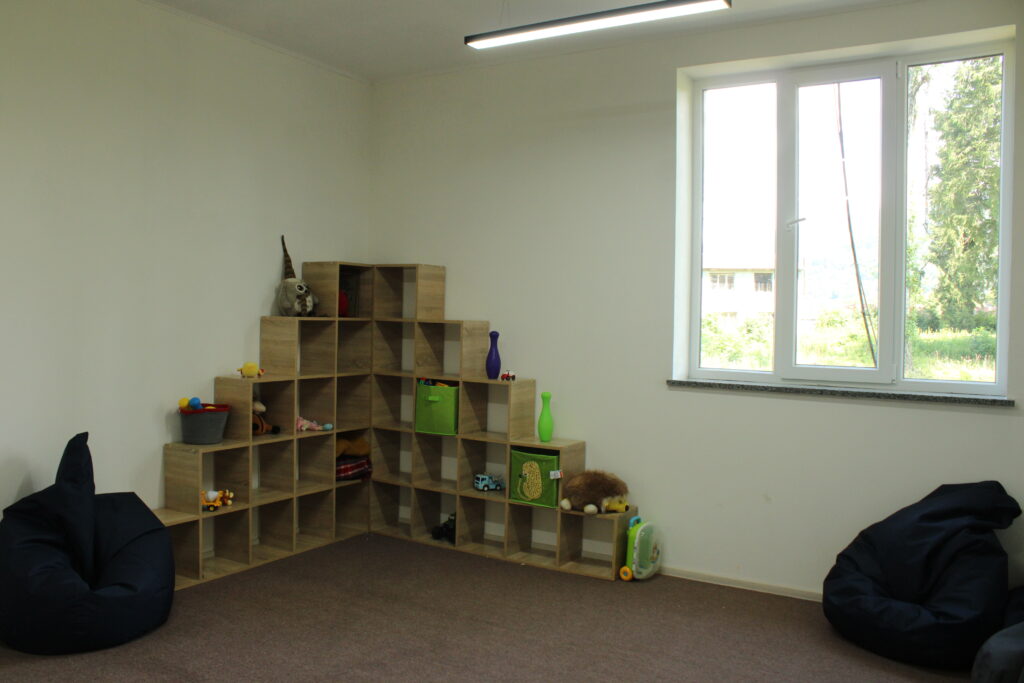
Galina Levko, the project coordinator and chair of the “Borzhava” NGO, led a tour of “Fortetsia”. She showed visitors around the events hall, the play area and the office-workshop, as well as two rooms whose purpose is yet to be decided. According to Galina, one of them could be turned into a reading corner.
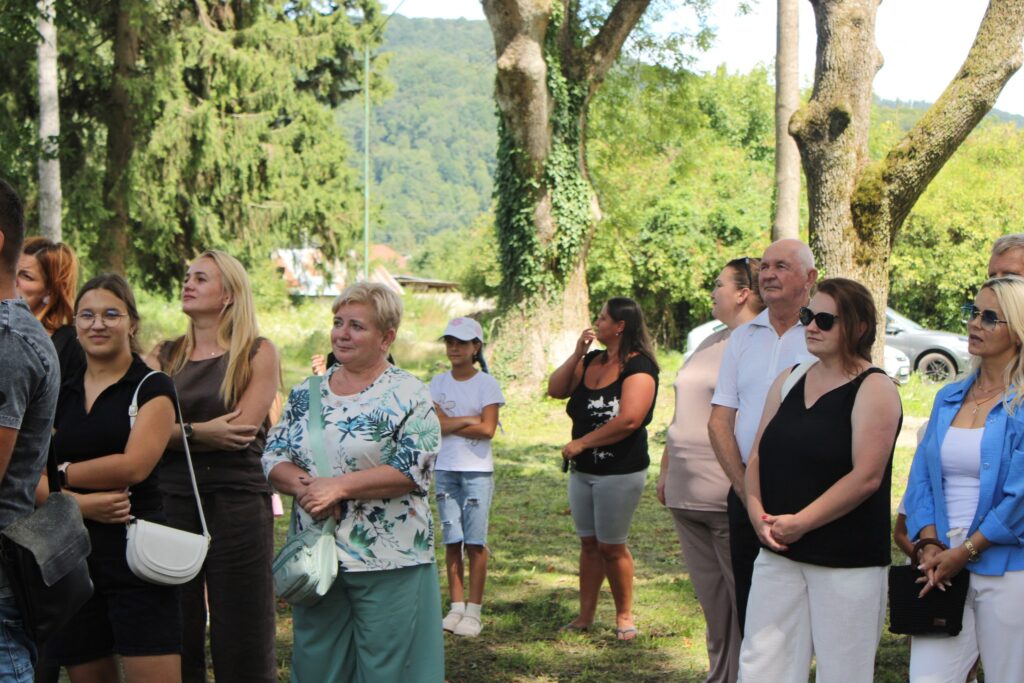
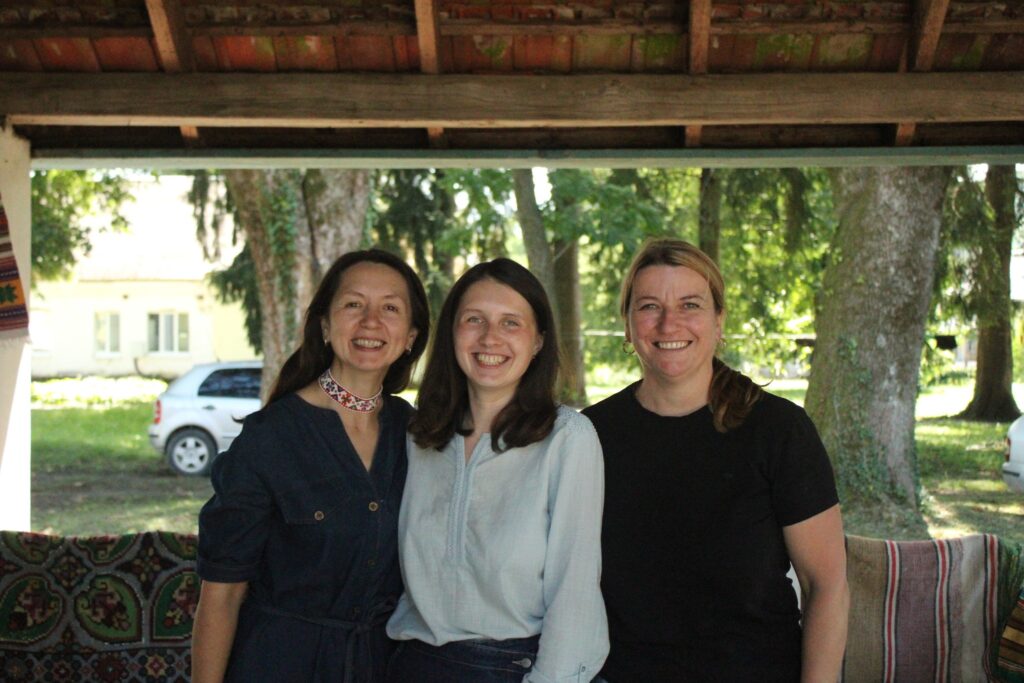
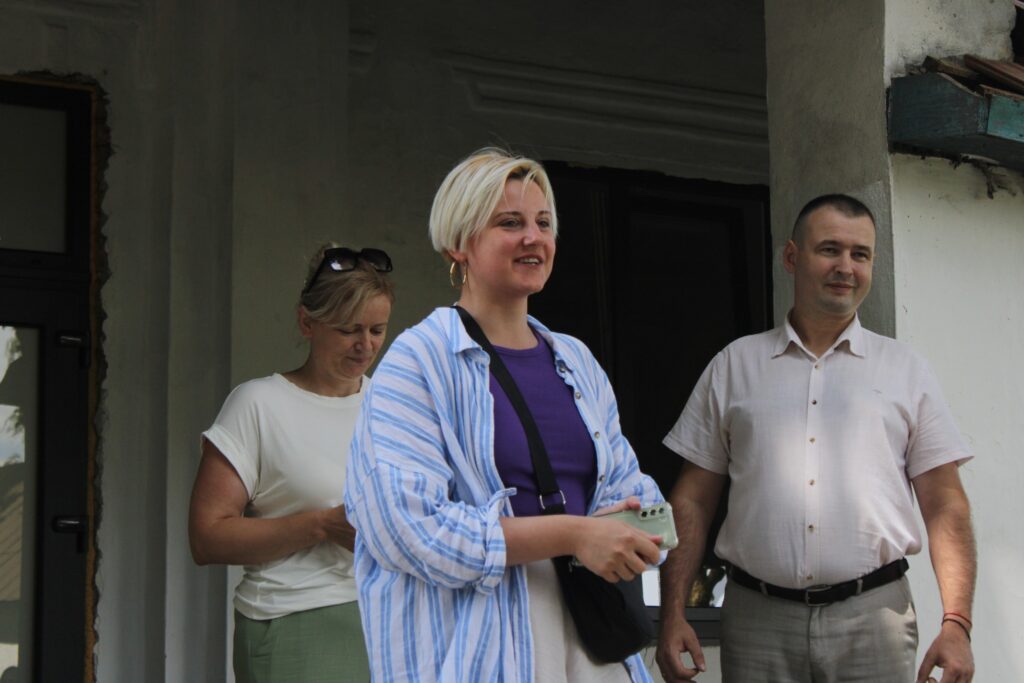
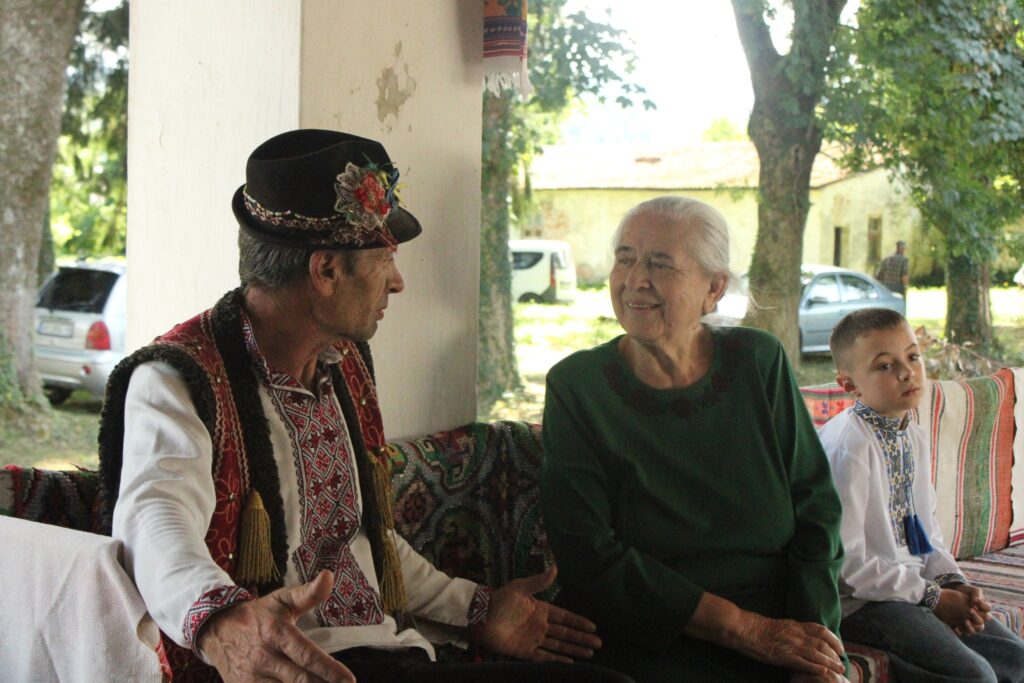
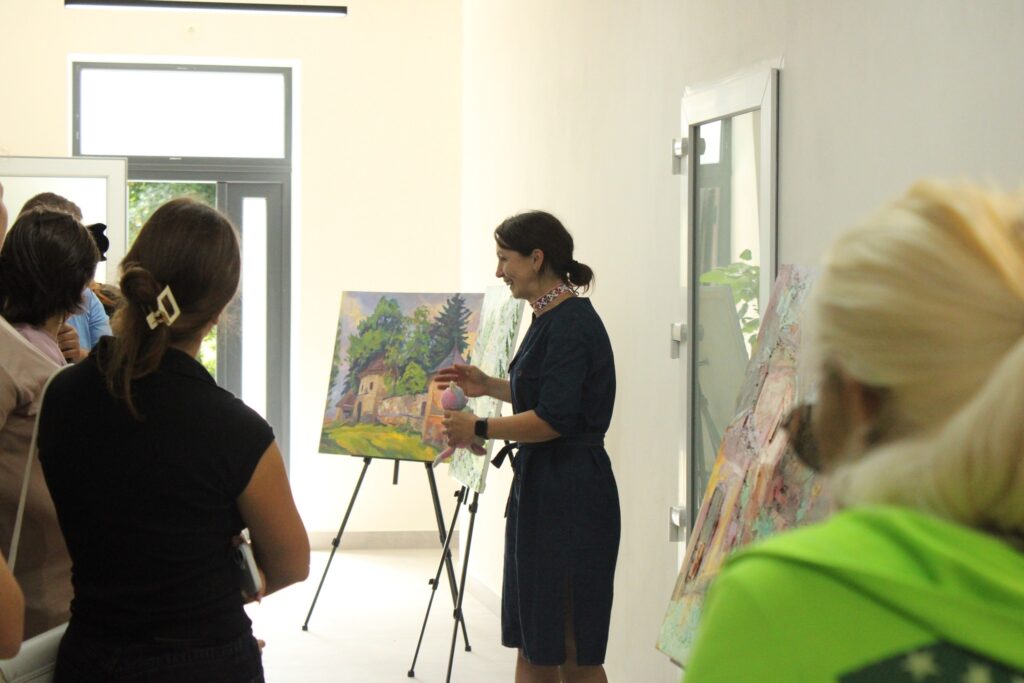
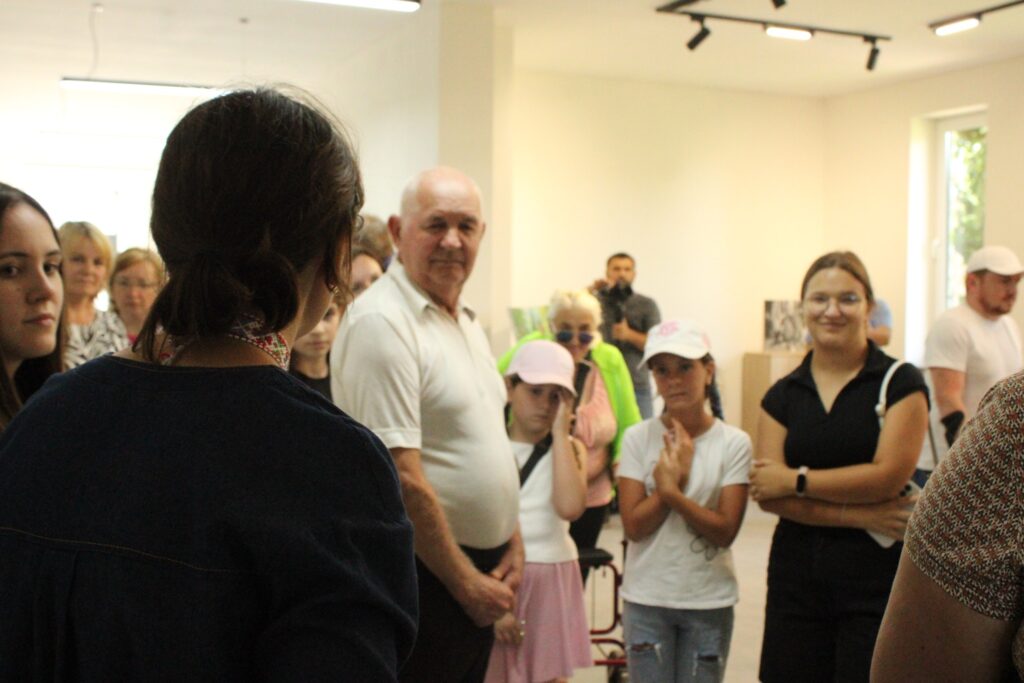
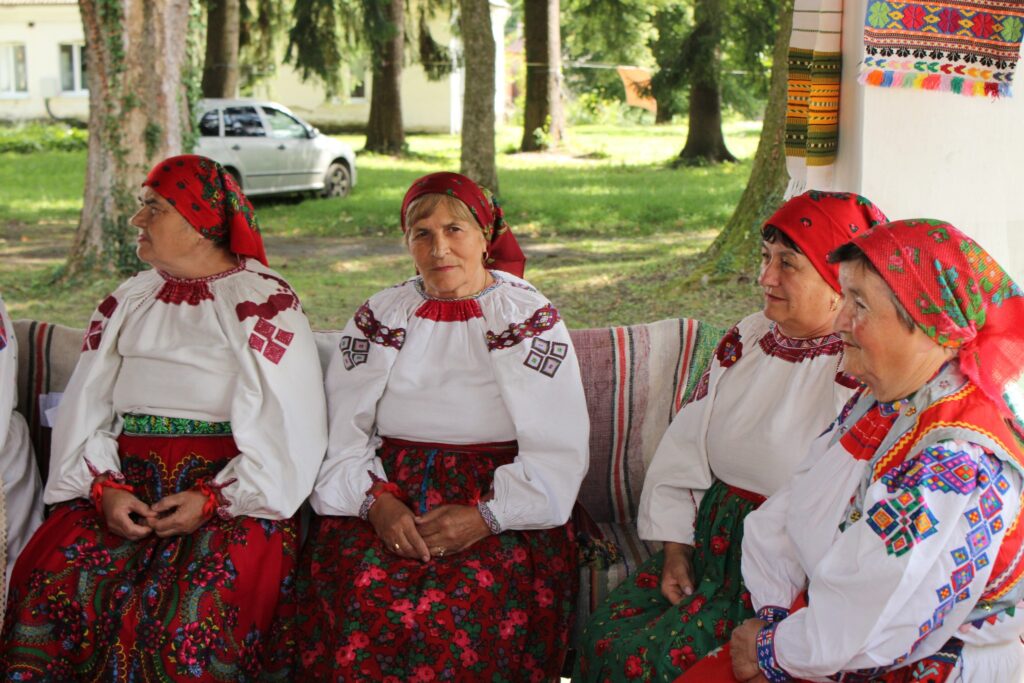
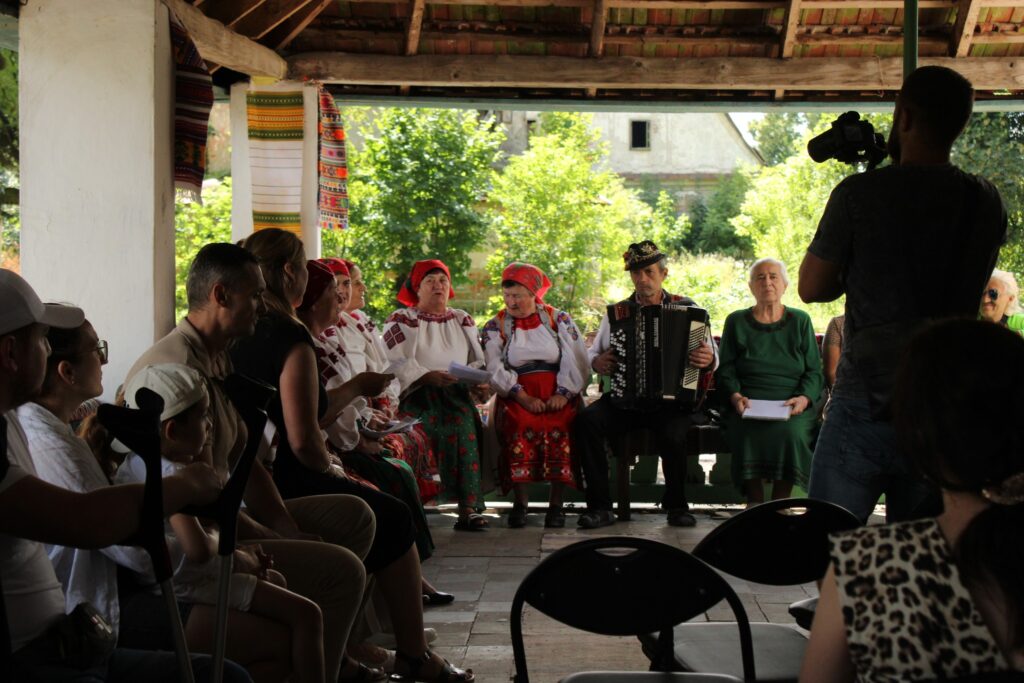
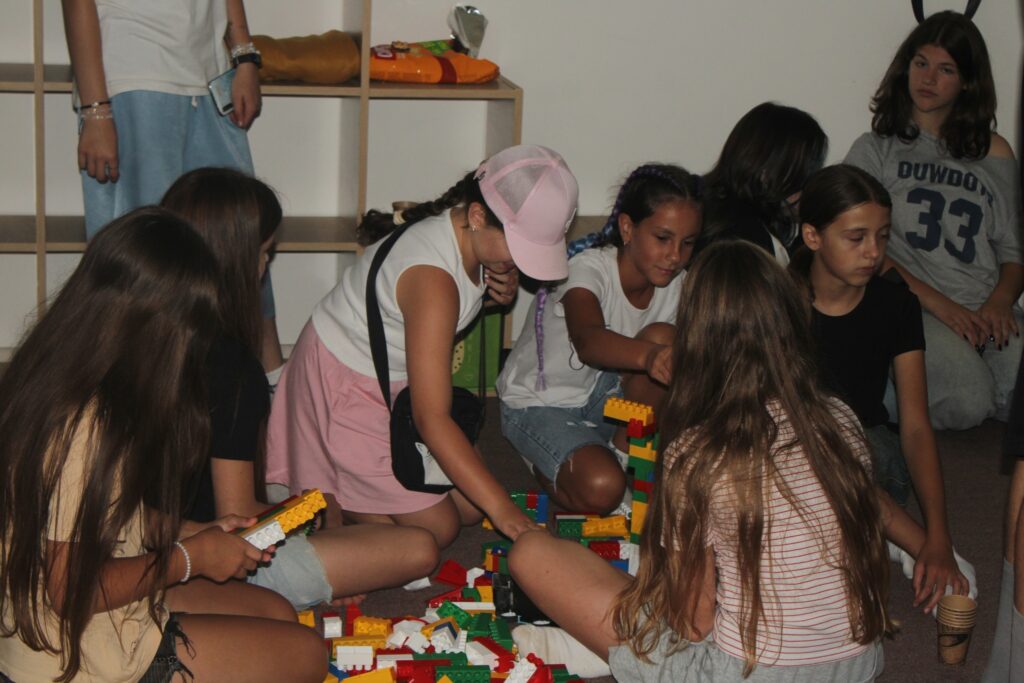
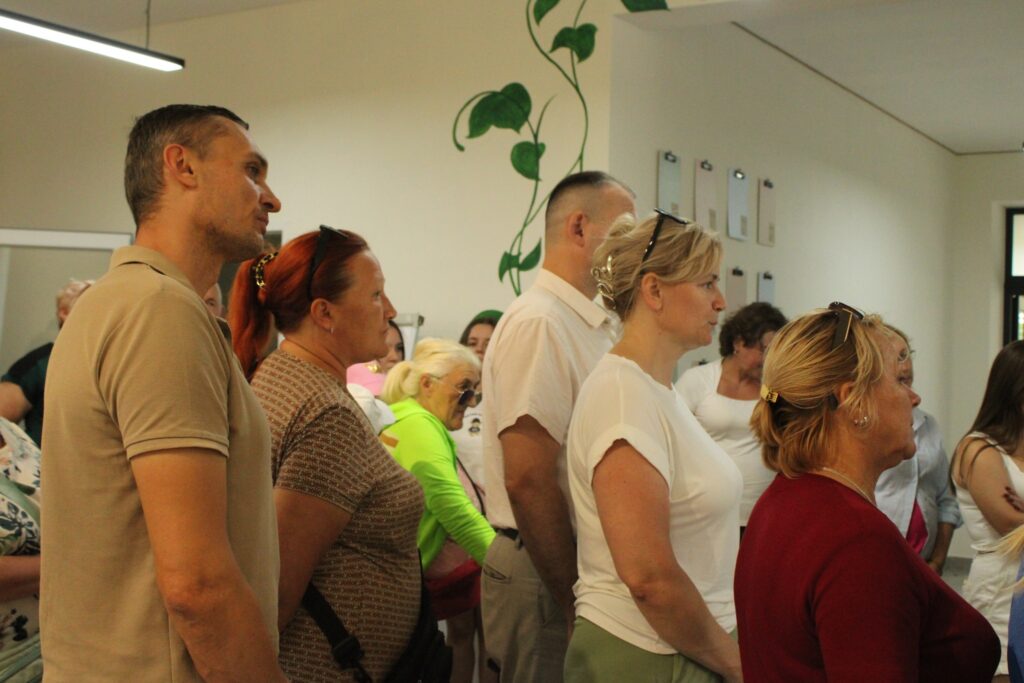
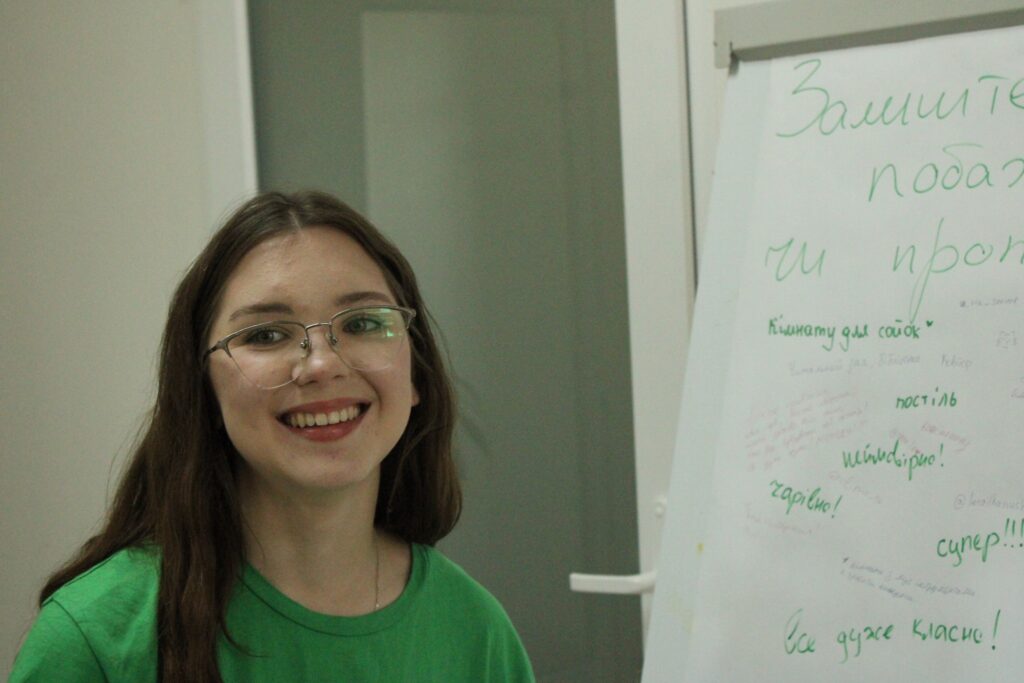
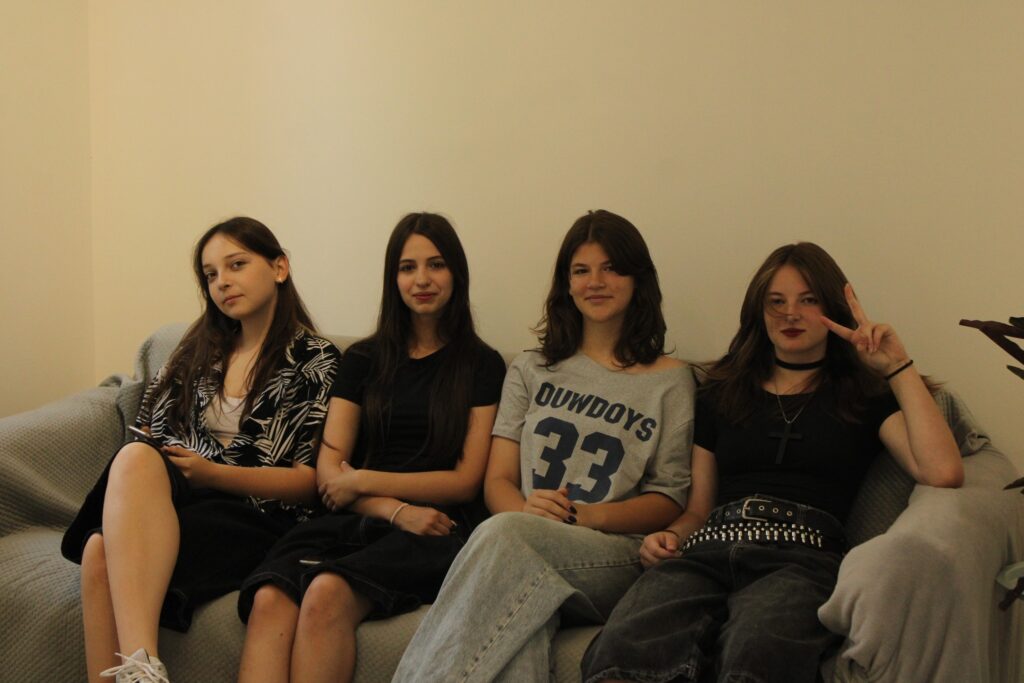
The aim of the opening was to show that the space isn’t just for children and young people. It can cater for different age groups and people with different interests. There were also internally displaced people here; they were keen to have a look around. There were people I didn’t recognise. I’ve lived in Dovhe for 20 years, but I don’t know who they are. So, people are interested.
Galina Levko, project coordinator and chair of the “Borzhava” NGO
The village of Dovhe, Dovzhanska hromada, Zakarpattia Oblast
The village of Dovhe is the centre of the Dovzhanska hromada. Around six thousand people live here, including members of the Slovak, German and Romani communities. Following the start of the full-scale invasion, the hromada took in over 2,000 internally displaced people. Today, more than 100 displaced people remain in the hromada.
Among the challenges facing the village are the migration of young people abroad, a lack of jobs, the disengagement of local residents from hromada life, and a lack of spaces for shared leisure activities.
The hromada therefore hopes that the creation of the “Fortetsia” space will provide a catalyst for understanding, cooperation and interaction among local residents.
I think this is a promising, brilliant hromada. And this space will be one of the cultural hubs that will give people the chance to see what the village of Dovhe is like, just how diverse Zakarpattia is, and what sort of things you can actually do here. It will be a place for hromada development and for getting to know the community.
Liana Mytsko, director of the Lviv Municipal Arts Centre. Programme mentor for the Dovzhanska hromada
About the “Fortetsia” Community Centre
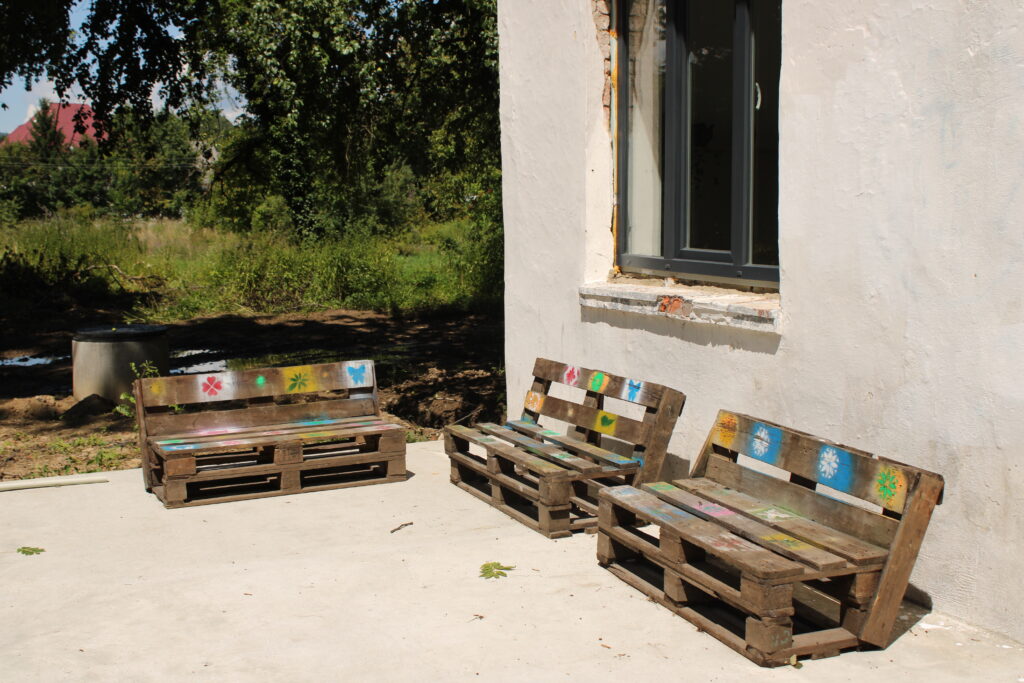
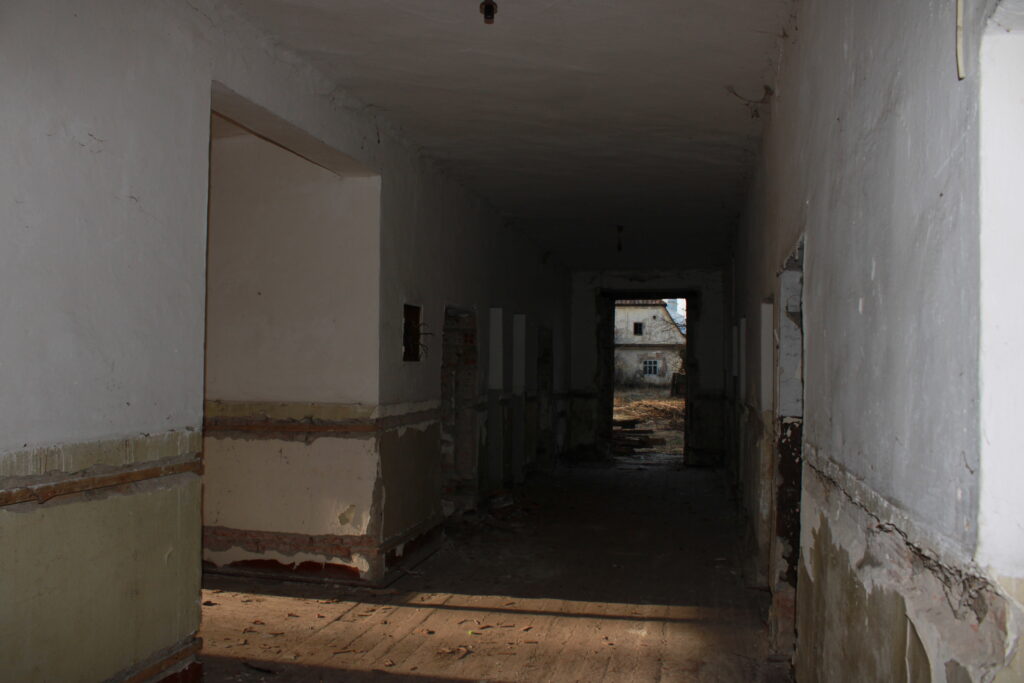
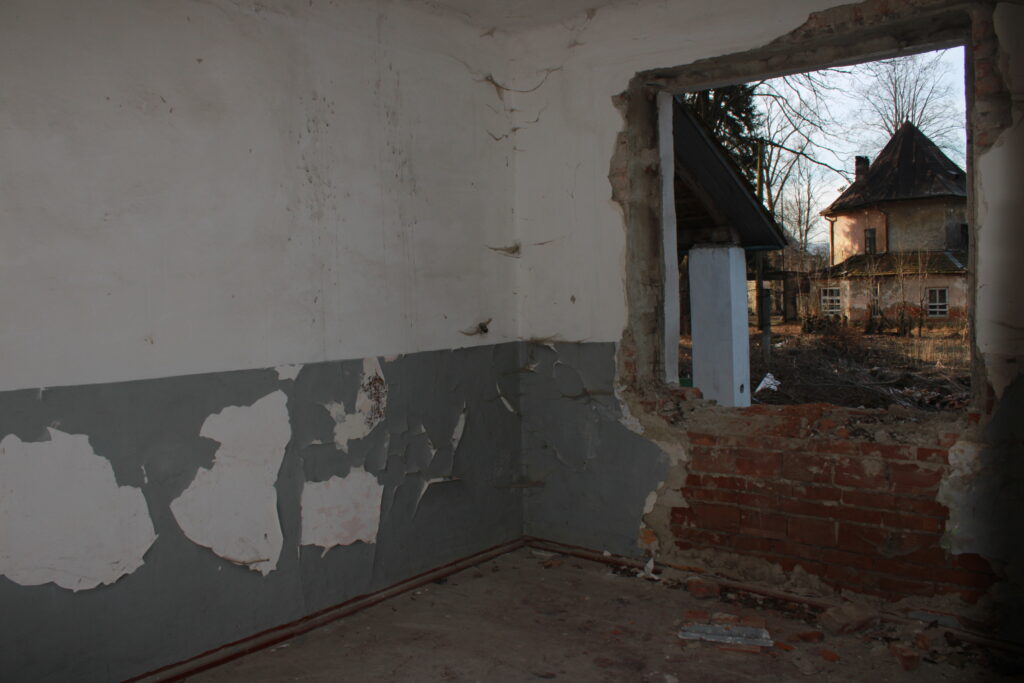
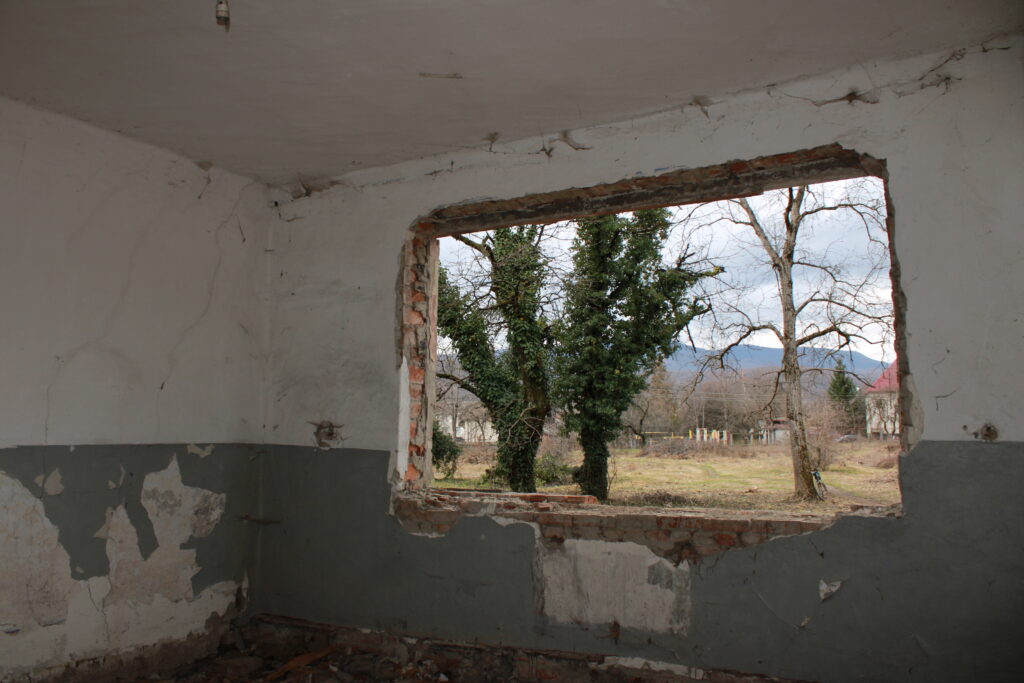
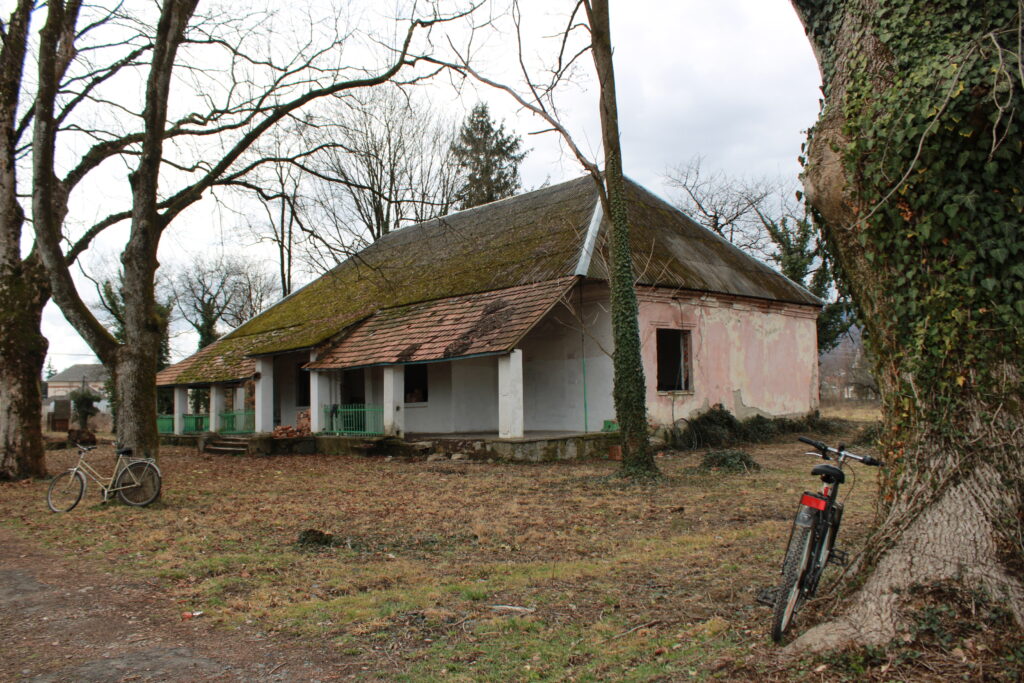
The space was opened in a single-storey building situated in a park near the palace-fortress of the Counts of Teleki. The palace is an 18th-century architectural monument in the Baroque style. The building itself was formerly part of a medical facility. Not far from the community building centre is a shelter for internally displaced people.
A space like this is really needed for young people, for children and for school pupils, so they have somewhere to sit and socialise. It’s great that this is being done to help our village develop. And not just for a single day, but for generations to come.
Tetyana Brukhal, teacher and resident of the village of Dovhe
Residents have come together around the idea of creating a space where everyone can express themselves, find support and help others. Local authorities and businesses have joined in with the renovation work and public awareness efforts, whilst staff at the Culture and Leisure Centre have helped organise events. Internally displaced people played an active role in discussions about the future of “Fortetsia”.
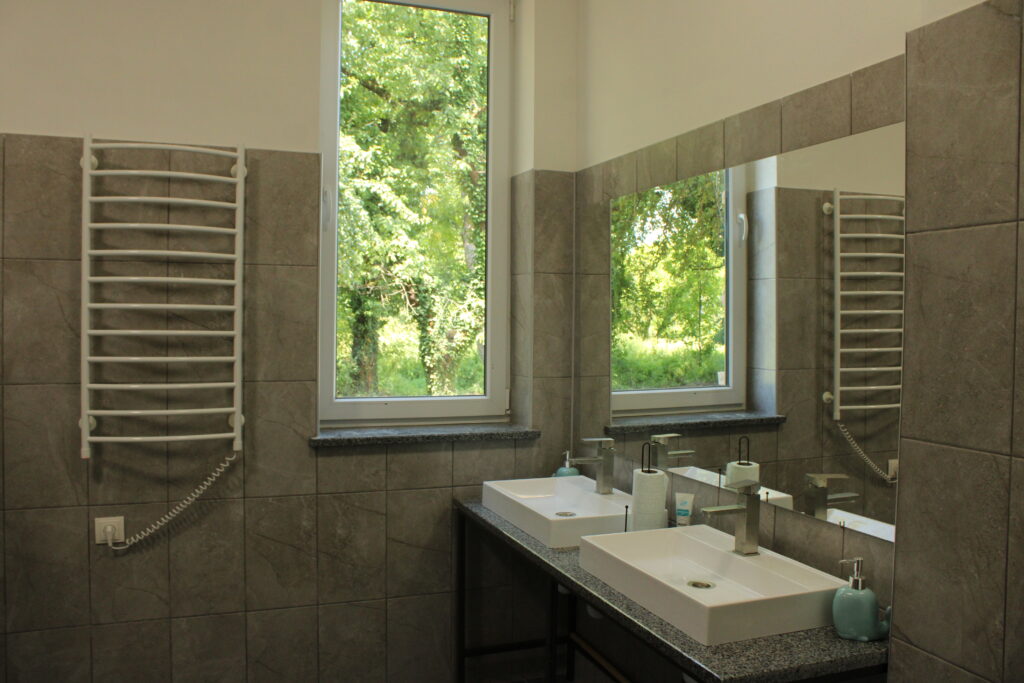
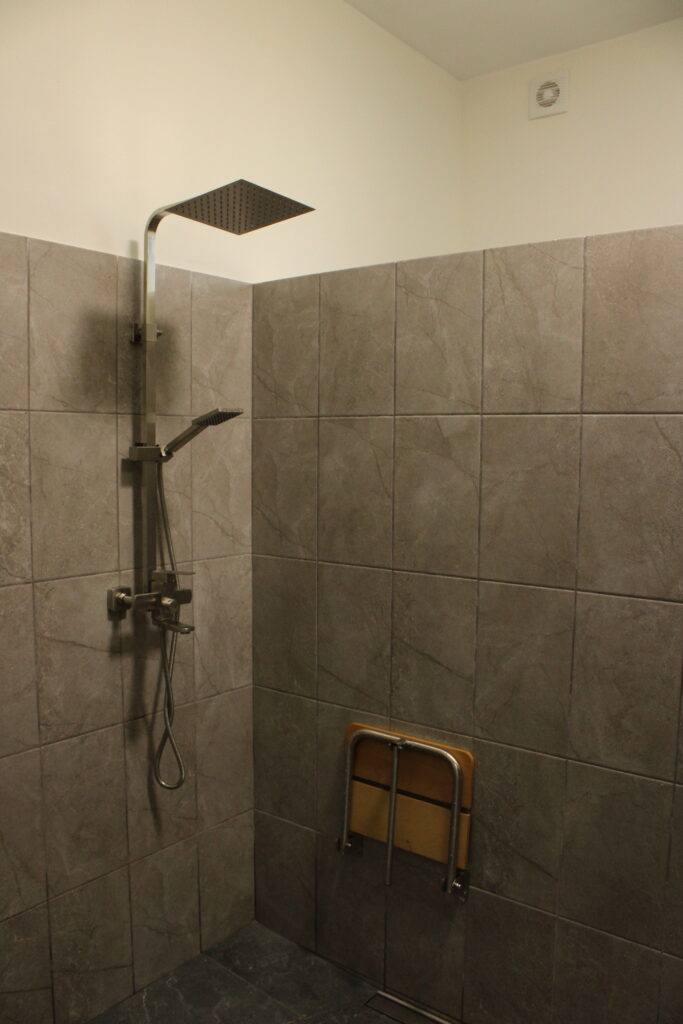
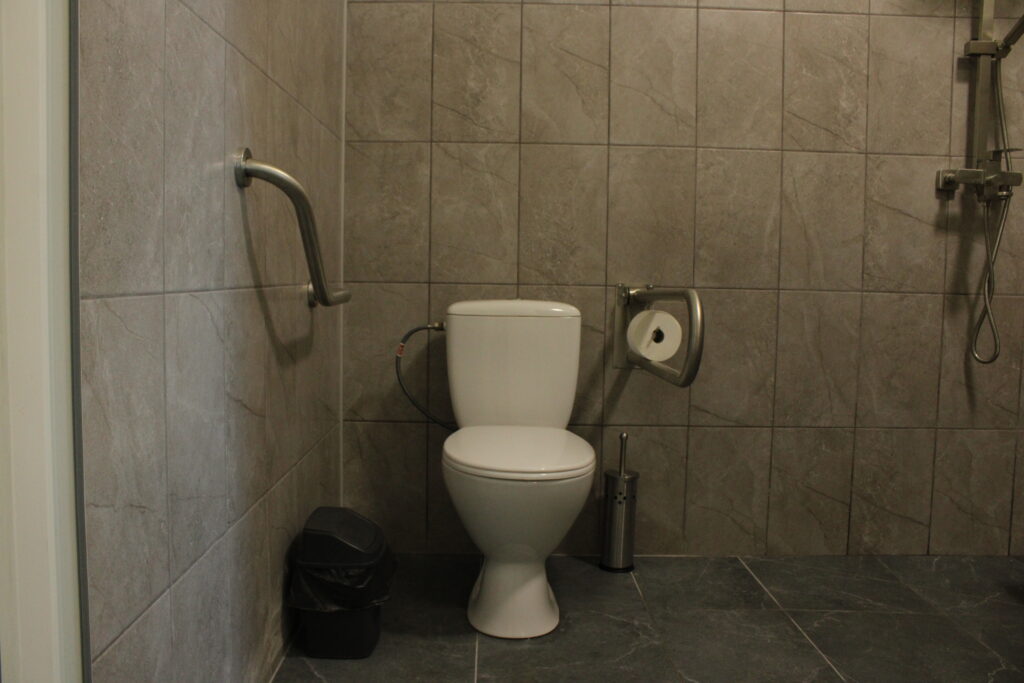
Whilst working on the refurbishment of the space, the team installed a ramp and an accessible toilet. As project coordinator Halyna Levko noted, this opens up opportunities for everyone: the steps at the entrance to “Fortetsia” no longer pose a barrier for people with reduced mobility.
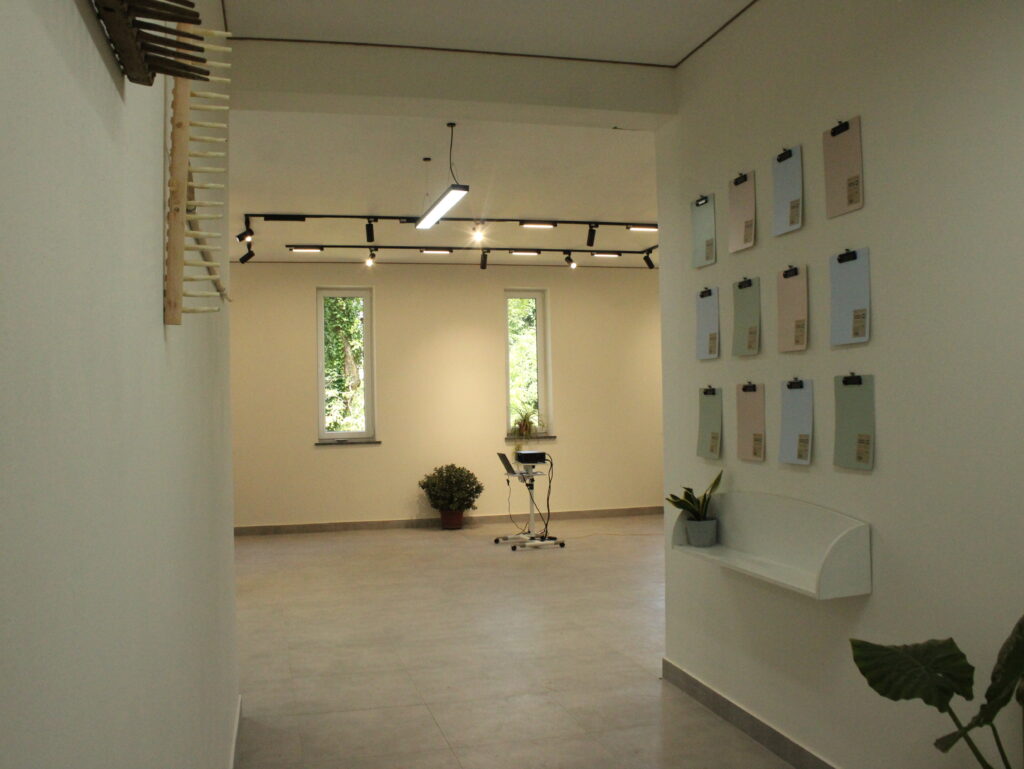
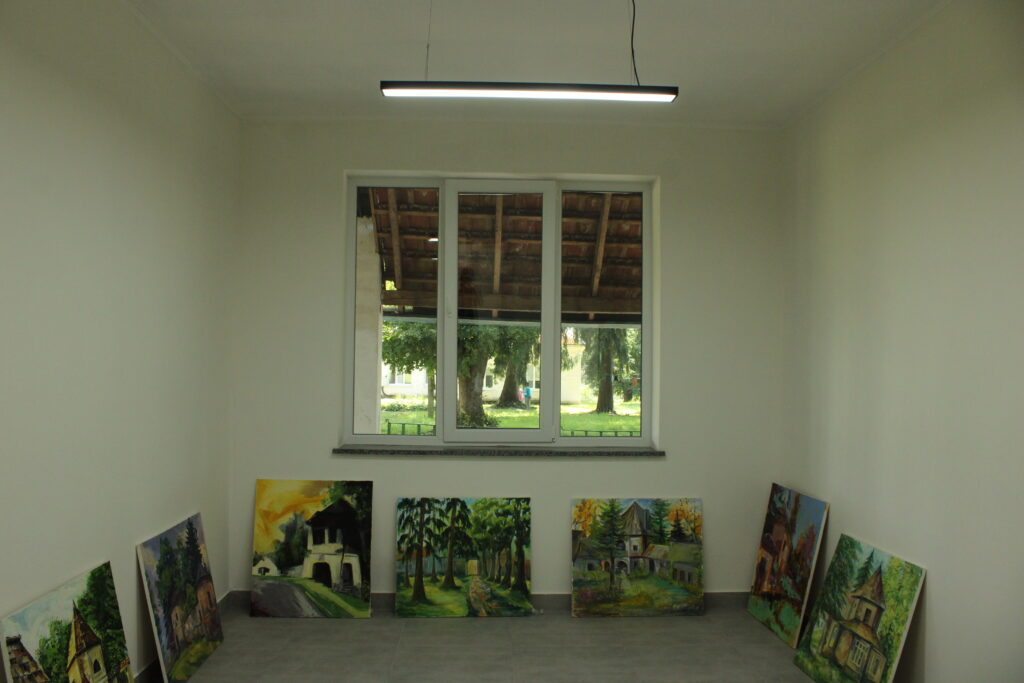
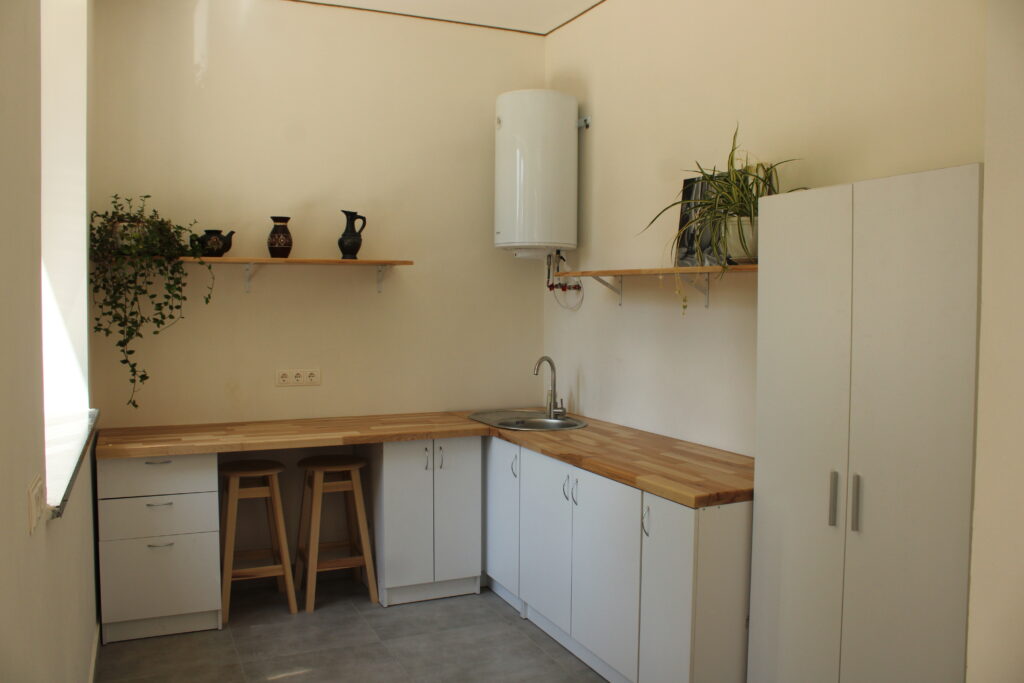
The project team took the advice on board, but at the same time they’re quite independent and have been shouldering a heavy workload, as this is a large-scale project. In my view, they’re doing a brilliant job of engaging the hromada: the team understands who they’re doing this for. They’re on good terms with the stakeholders, and users trust them. And this space can work so well precisely because of that sense of trust.
Marta Buryak, architect, designer, urban planner. Spatial mentor for the Dovzhansk community
Among the community-building centre’s activities are the “Winter Sketches” open-air workshop, a house party for young people, a series of screenings of contemporary Ukrainian films, and folk gatherings. These events were attended by young people as well as older people, internally displaced persons and children of military personnel.
I am truly delighted that, at this extremely difficult time for our country, there are still vibrant hubs and new spaces opening up where young people gather and thrive. Because this is the future; this is what our work is aimed at. For the sake of our children, for the sake of something good and positive. And I want to believe that, in the near future, in a country at peace, we will continue to do this.
Natalia Petkanich, Secretary of the Dovzhansk Town Council
You can watch the video of the opening of the “Fortress” community-building centre on Facebook.
Support Cedos
During the war in Ukraine, we collect and analyse data on its impact on Ukrainian society, especially housing, education, social protection, and migration

 Support


