






The project was implemented by the “M.KLAS” Transformation Agency in partnership with Pustomyty Town Council. The spatial mentor is Marta Buryak, an architect, designer and urban planner. The programme mentor is Liana Mytsko, director of the Lviv Municipal Arts Centre.
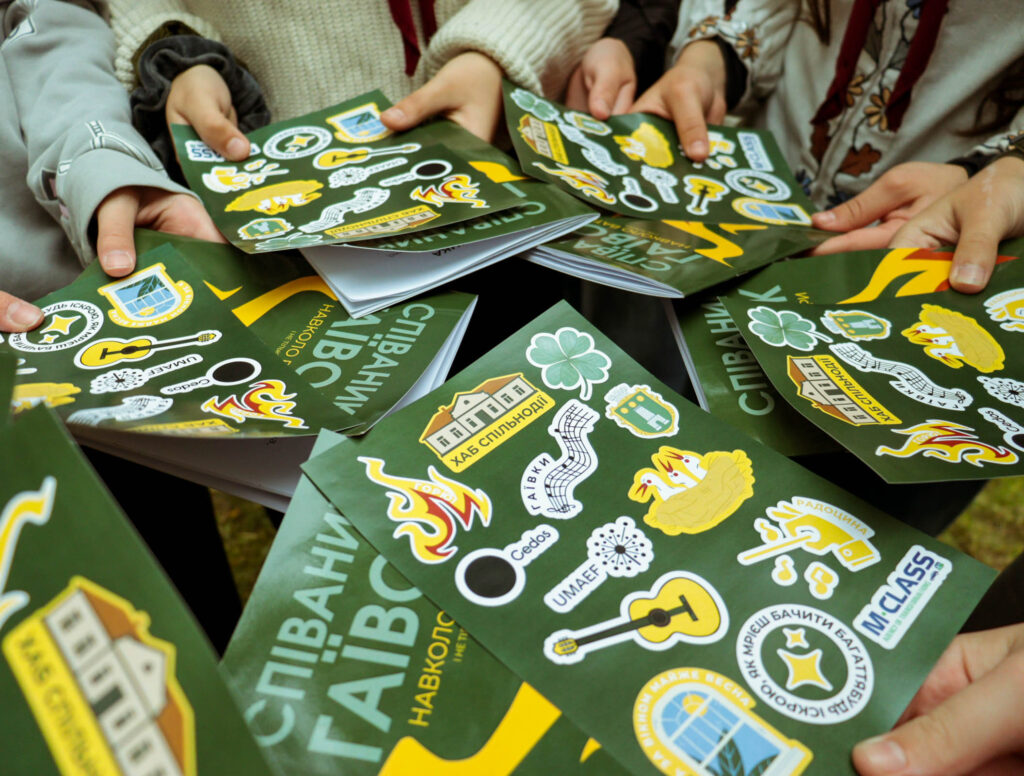
The “Dim Hlynna” space was created as part of Community reBuilding — a project to develop community-building centres by Cedos and UMAEF.
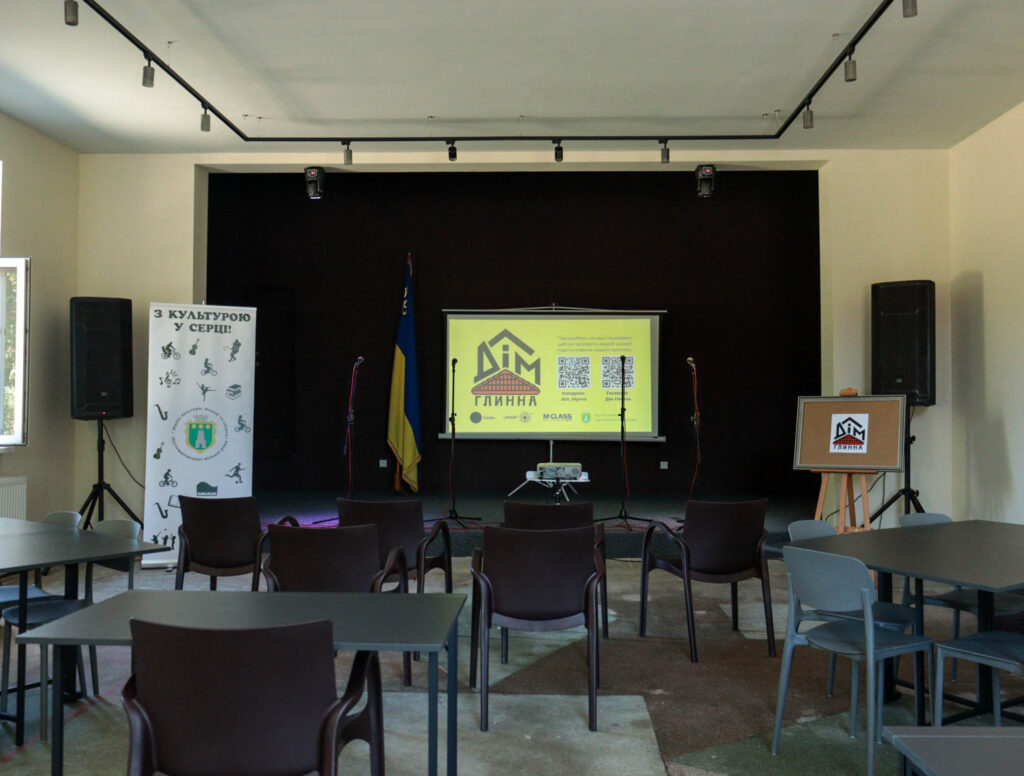
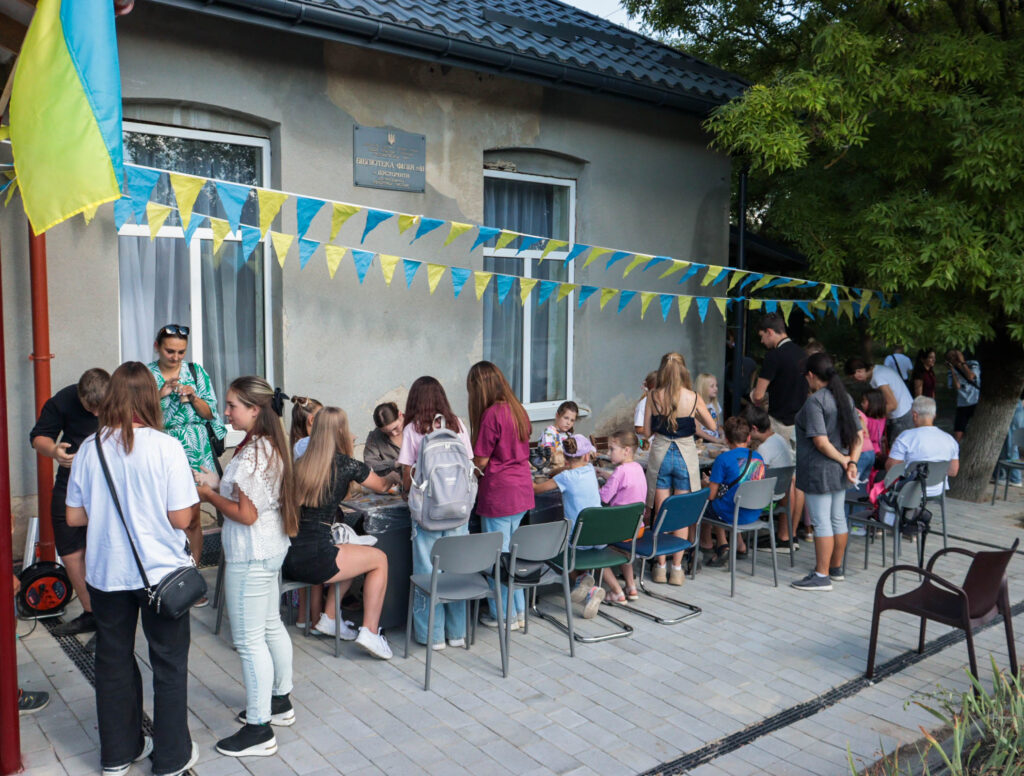
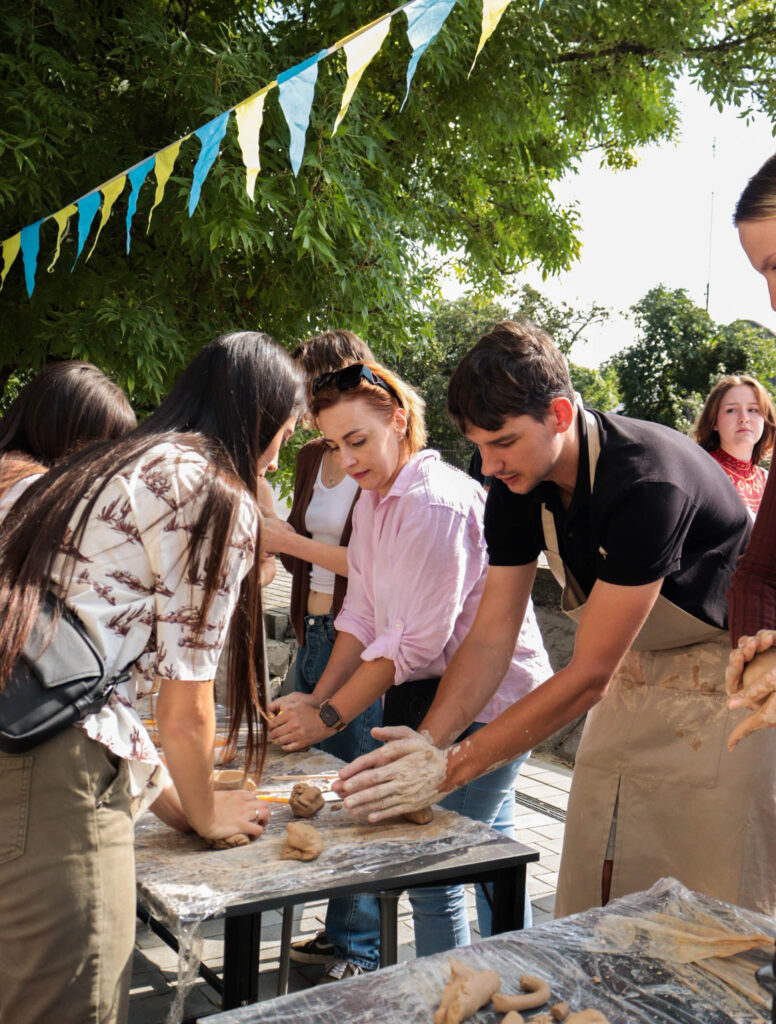
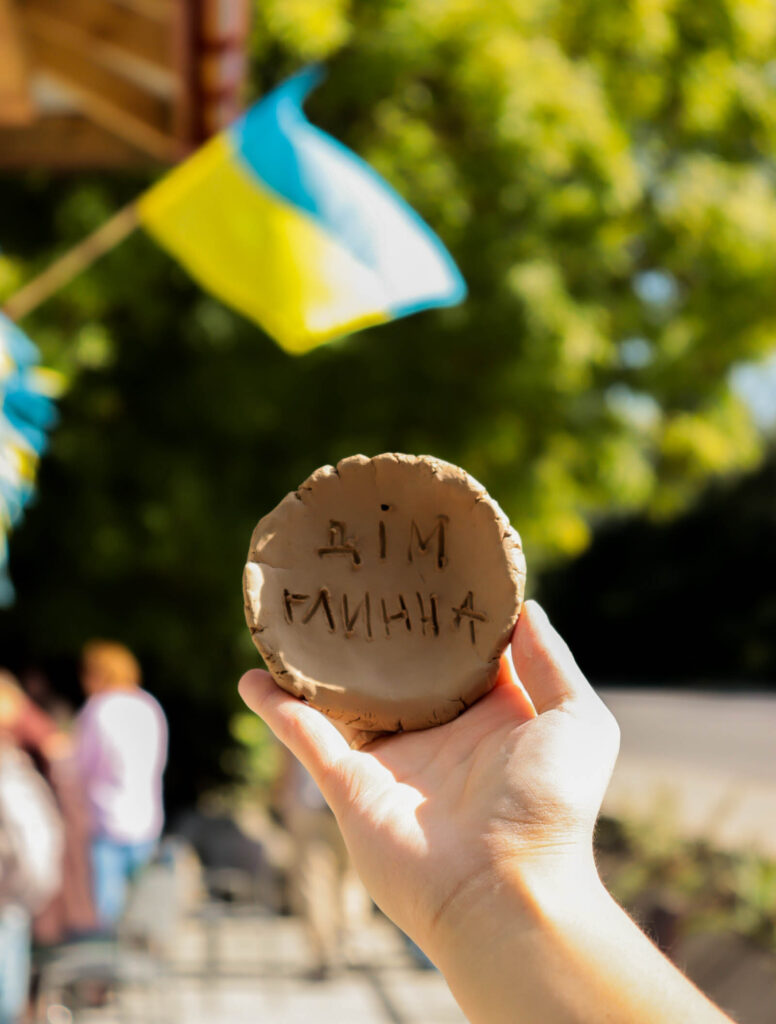
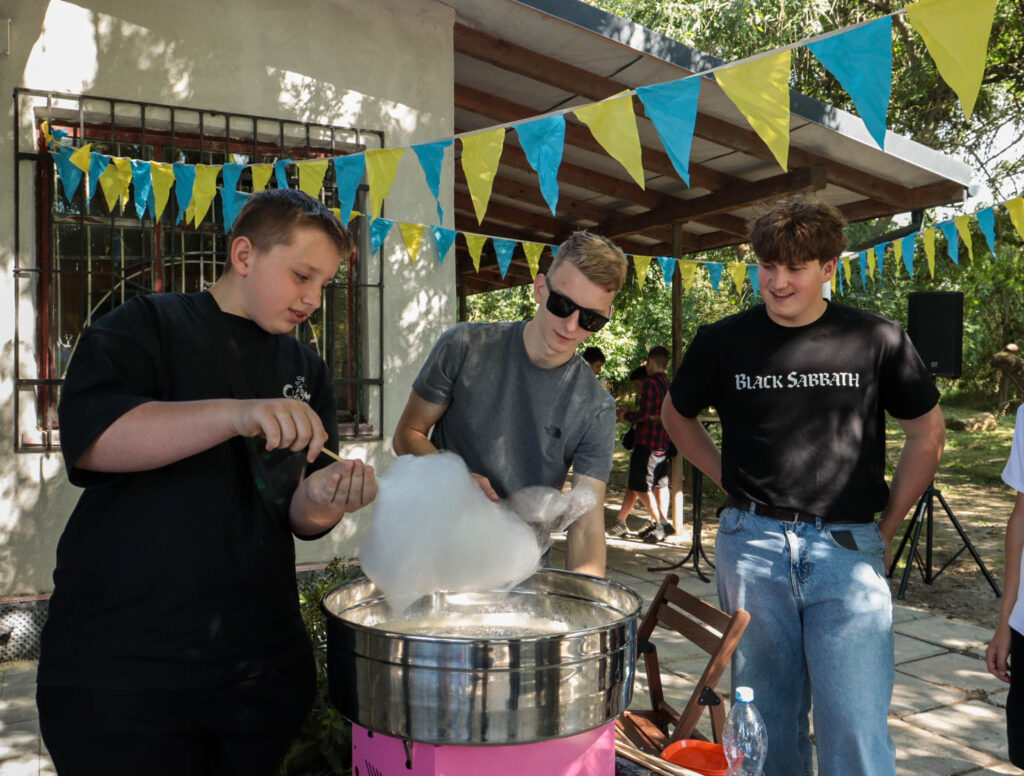
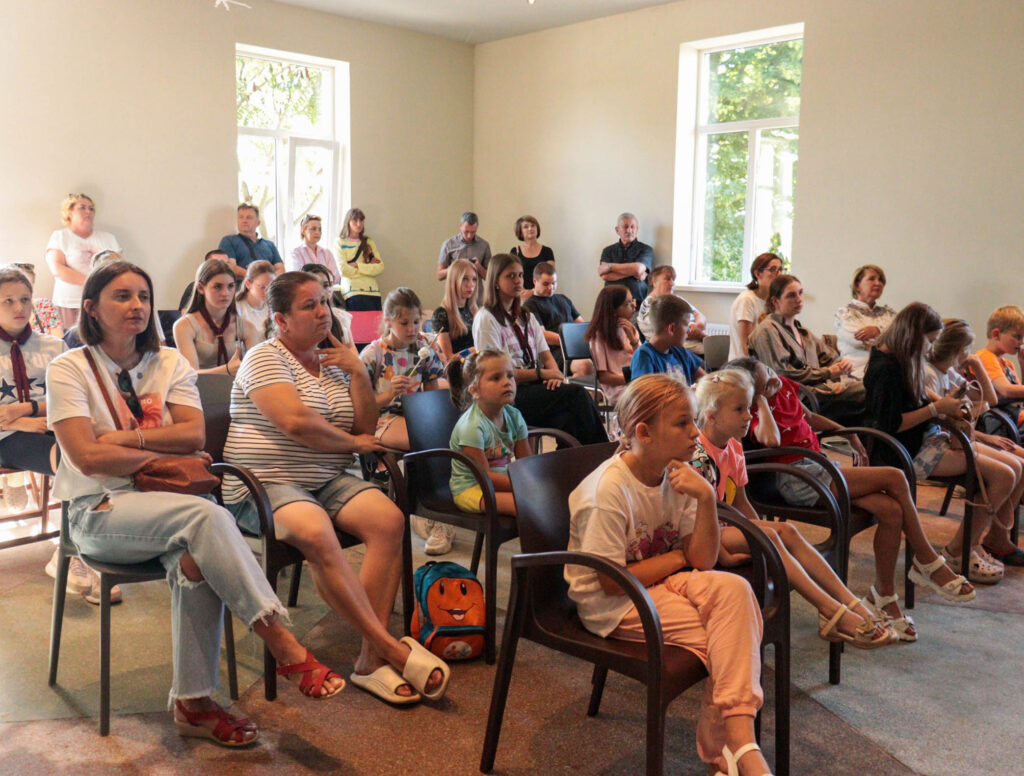
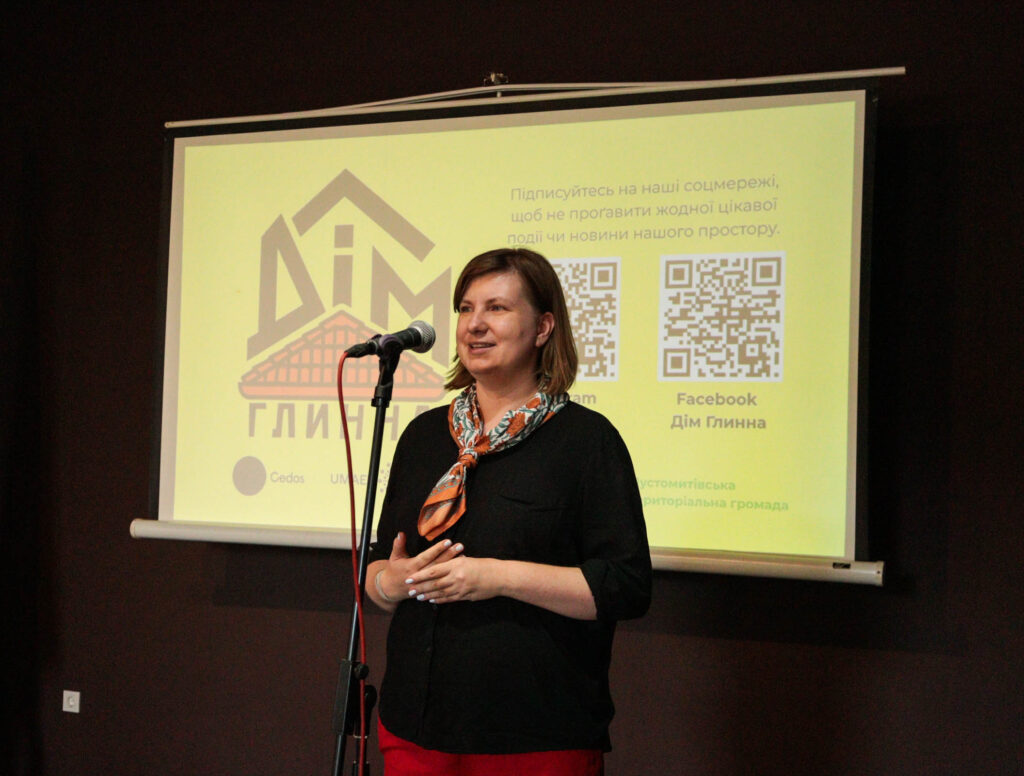
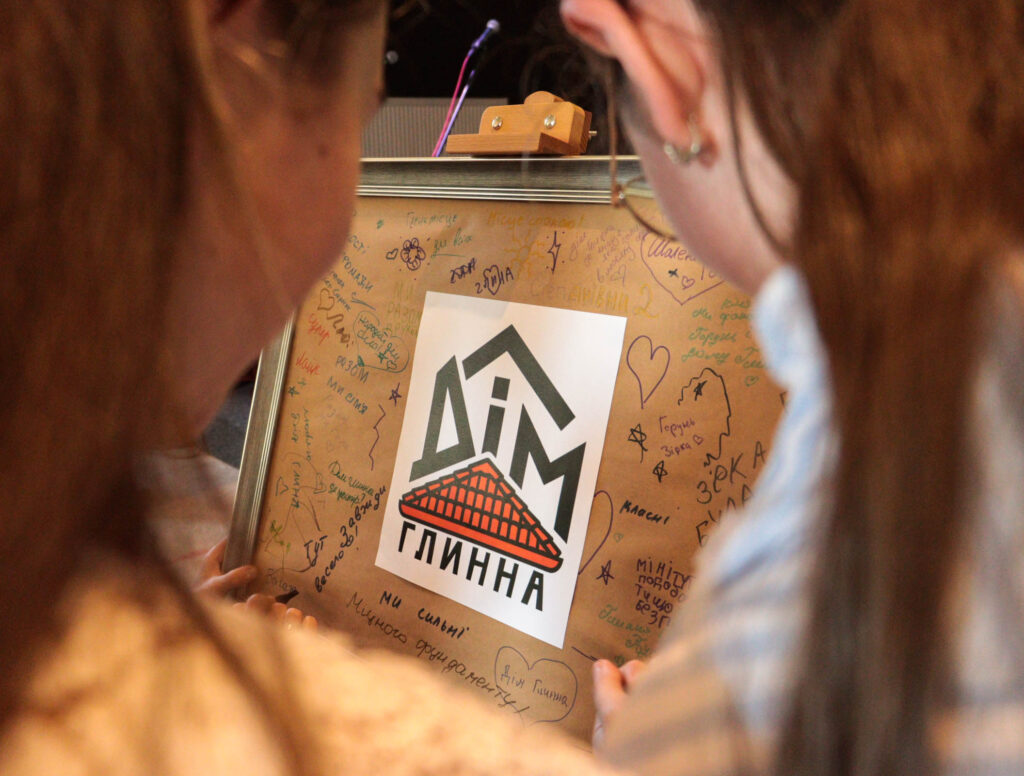
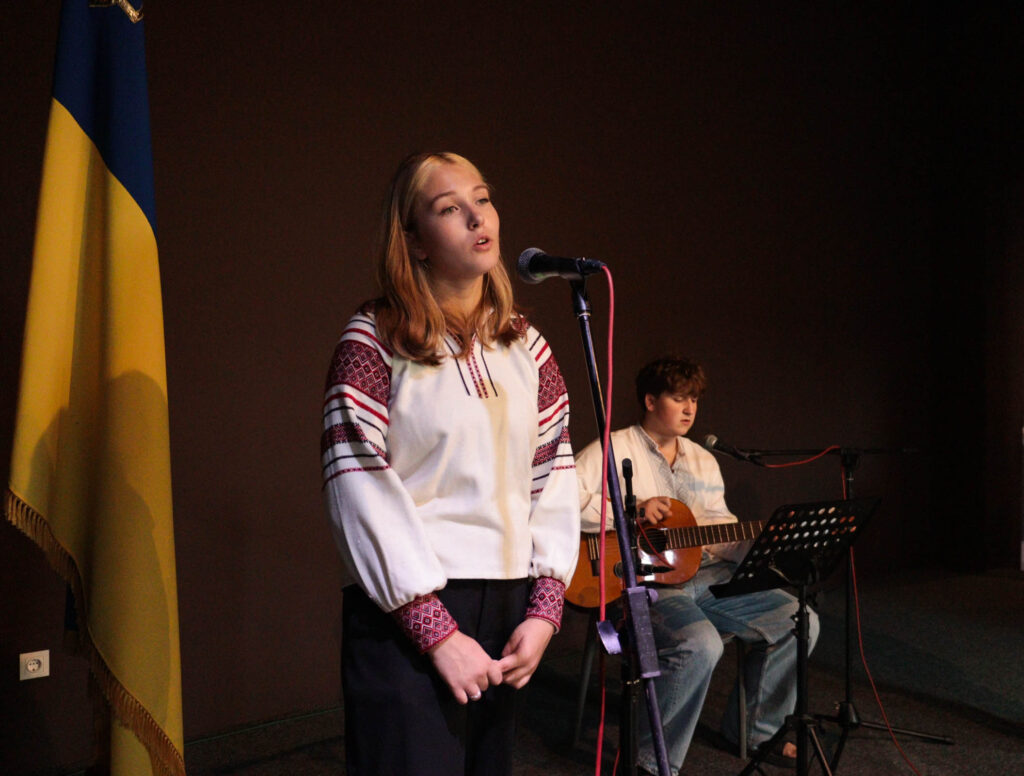
At the opening of “Dim Hlynna”, visitors were treated to a variety of activities: from a pottery workshop to performances by creative groups. One of the event’s main attractions was the candy floss machine. On a dedicated noticeboard, people could share their impressions and suggestions for the community-building centre. ‘You can be yourself here’, ‘a place of tranquillity’, ‘there is strength in hromada unity’ — these were among the first comments.
The opening of the “Dim Hlynna” brought the entire Pustomyty hromada together around the space. People of all ages and professions, from every corner of the hromada, gathered here to symbolically open this house together. Most of them had been involved in its transformation from the very start of the project — from the initial ideas to their realisation — and had actively participated in events and activities. This is a true example of how a hromada creates together and rejoices in shared achievements.
Maria Bandurovska, communications officer for the “Dim Hlynna” space
About the “Dim Hlynna” Community Centre
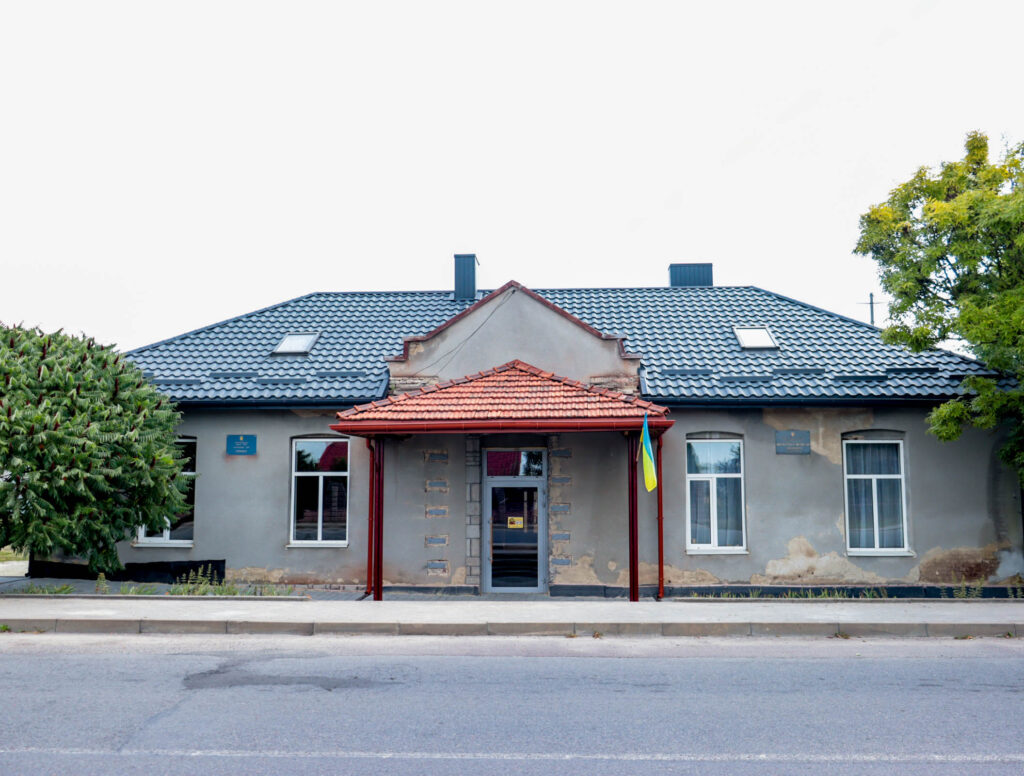
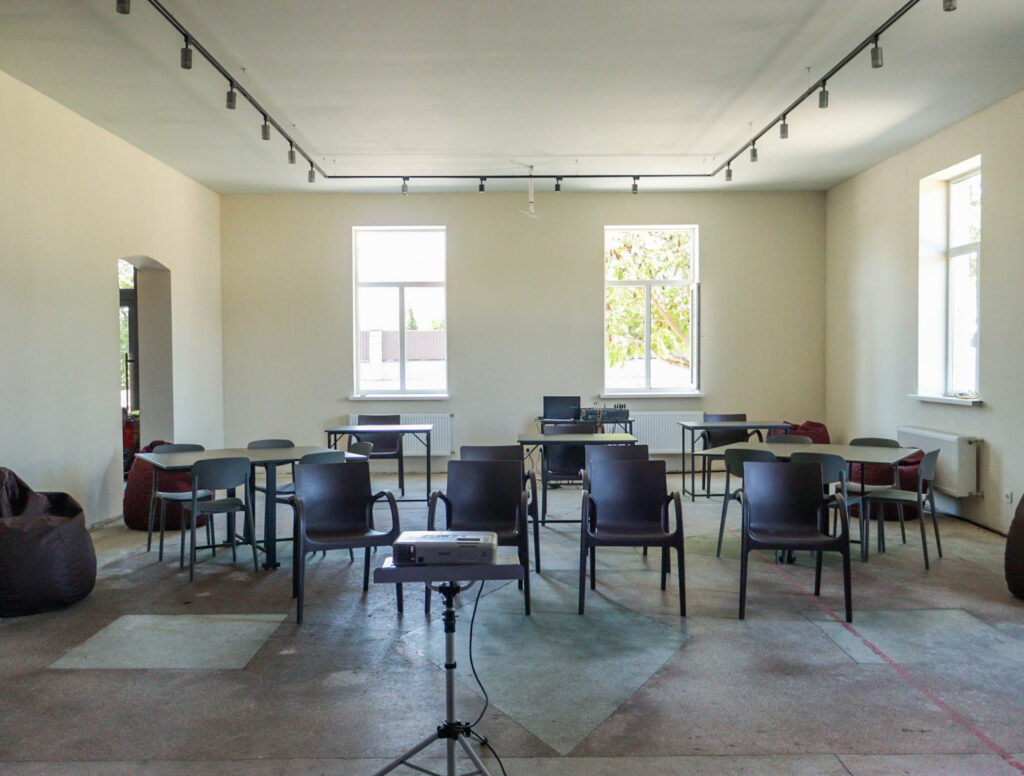
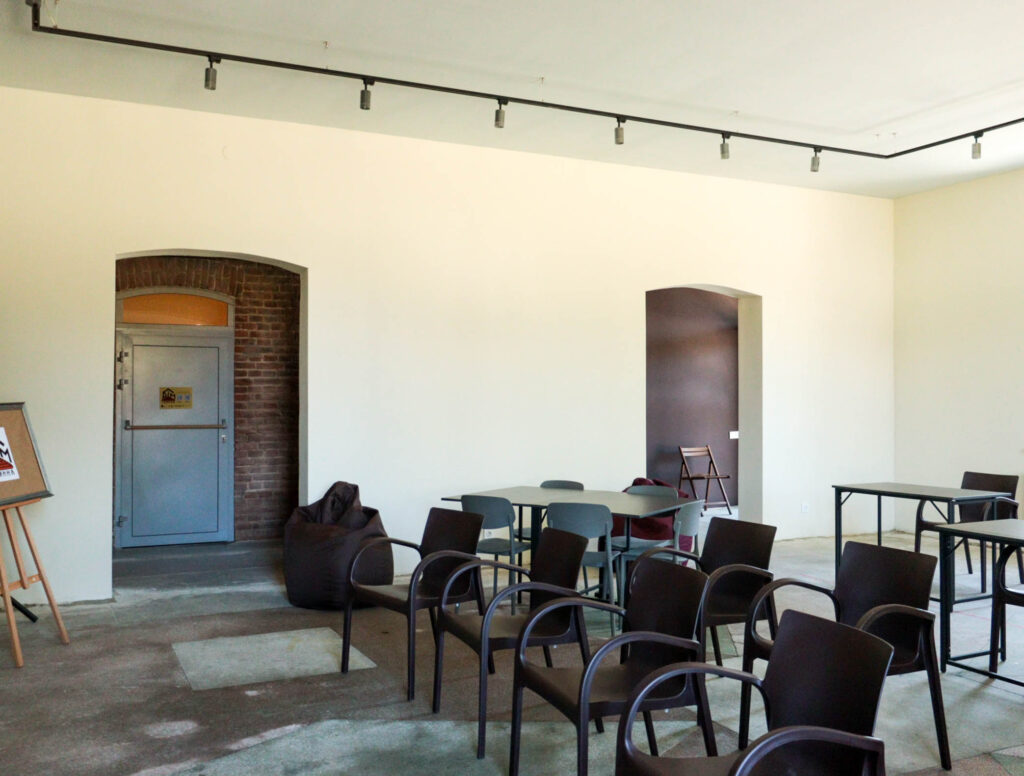
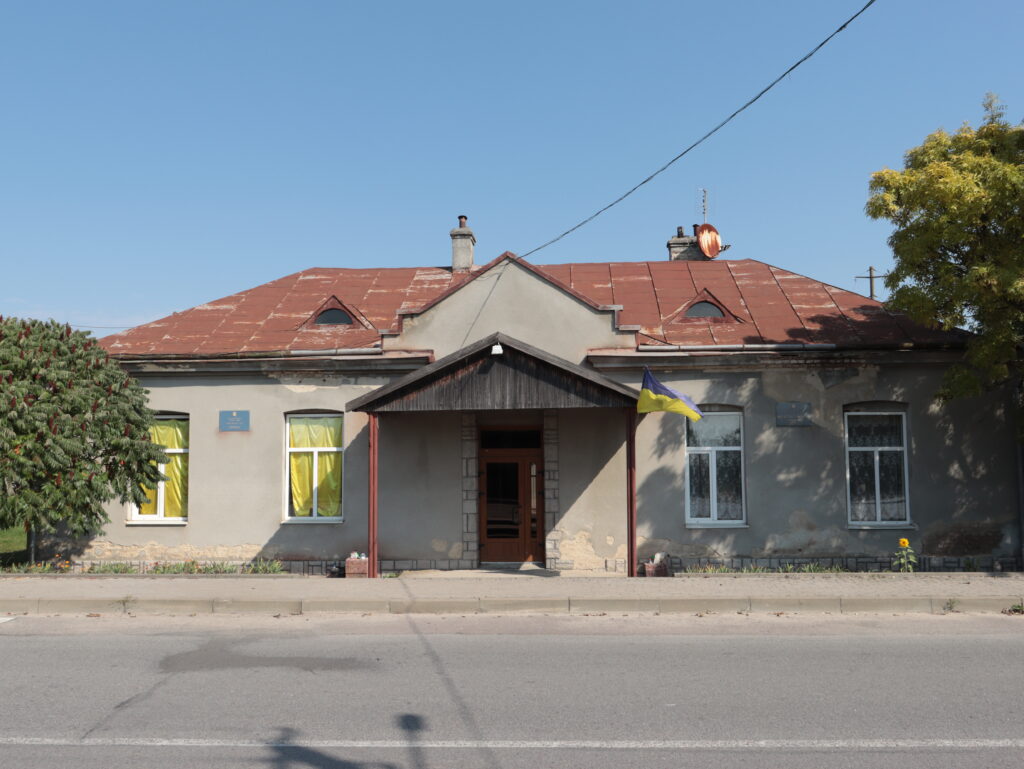
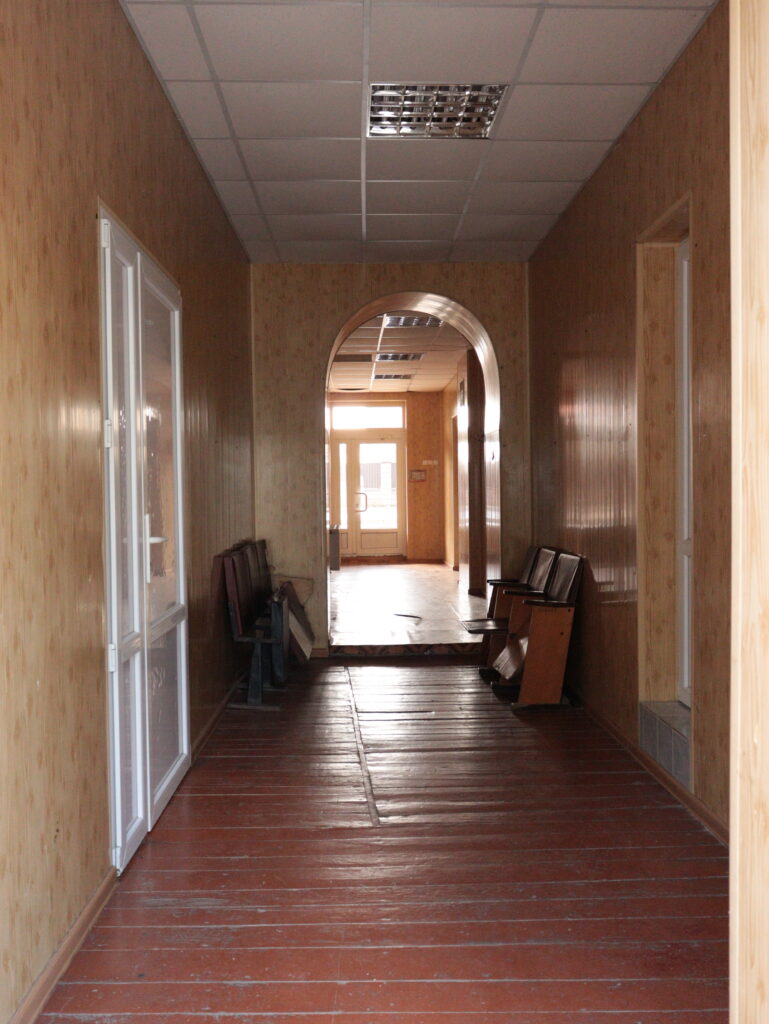
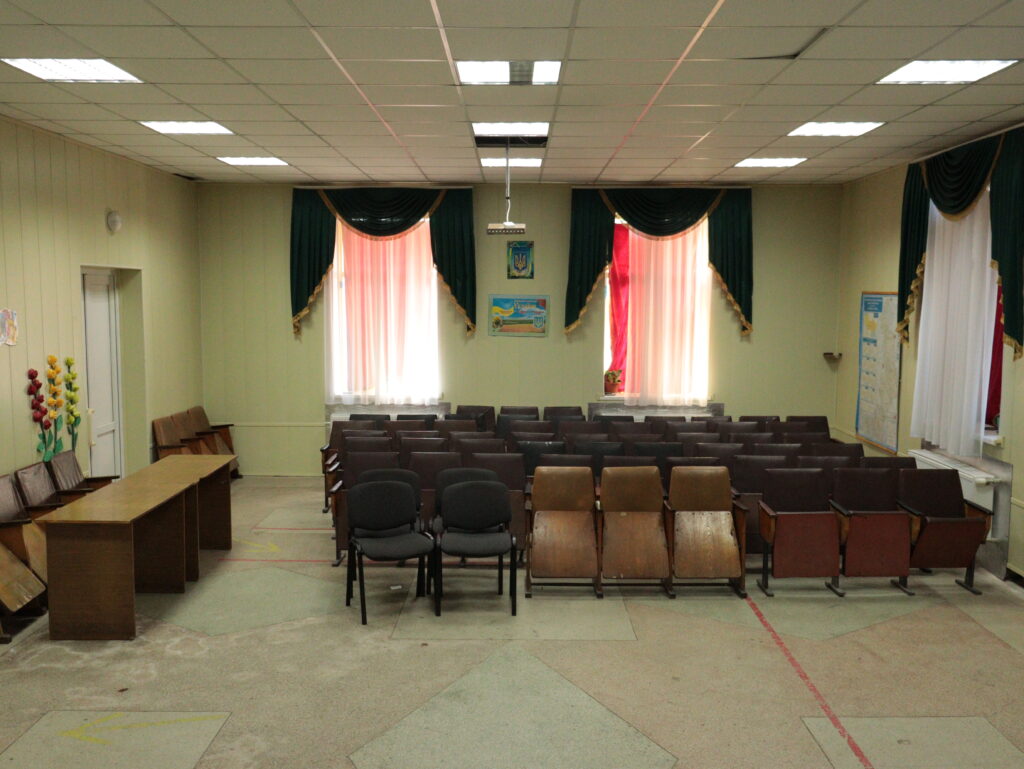
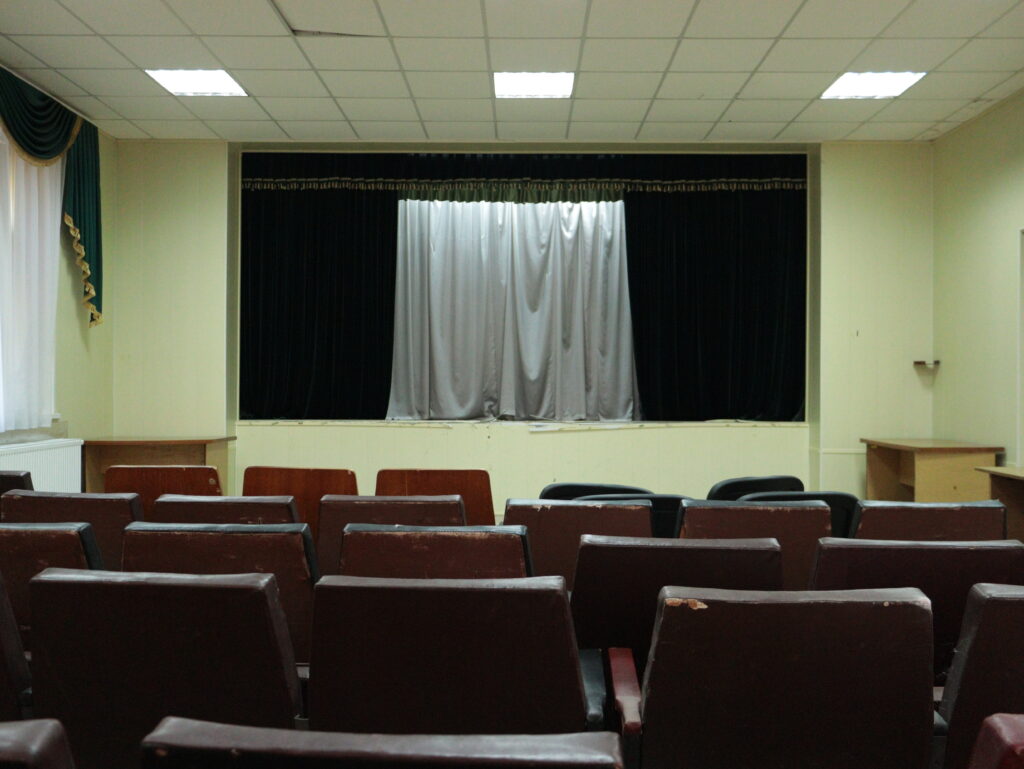
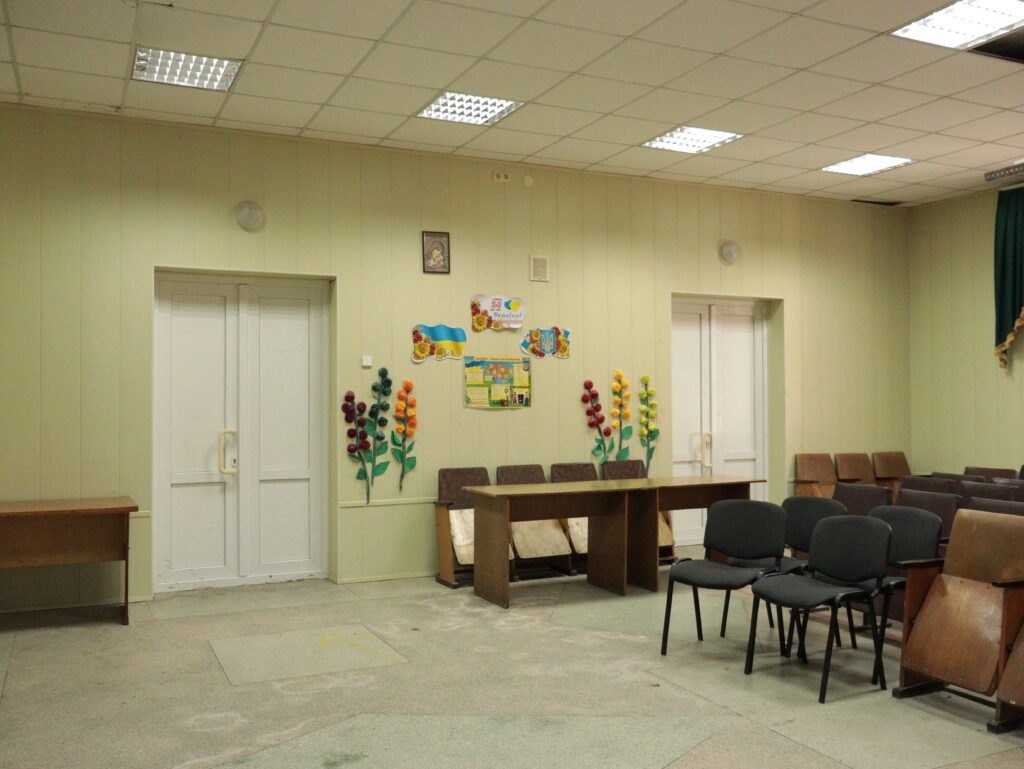
The centre is housed in the community centre of the Hlynna neighbourhood. The premises feature a large auditorium for public events and several rooms for meetings, training sessions and co-working. In the future, there are plans to develop the area around the building, including a summer stage and a café in the inner courtyard.
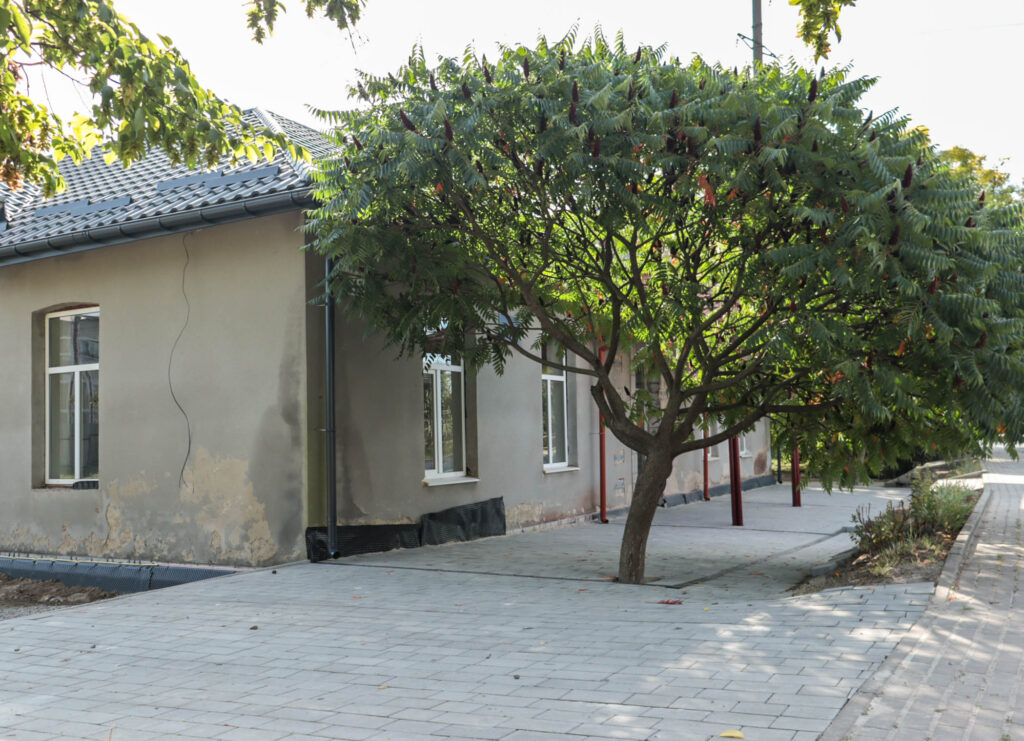
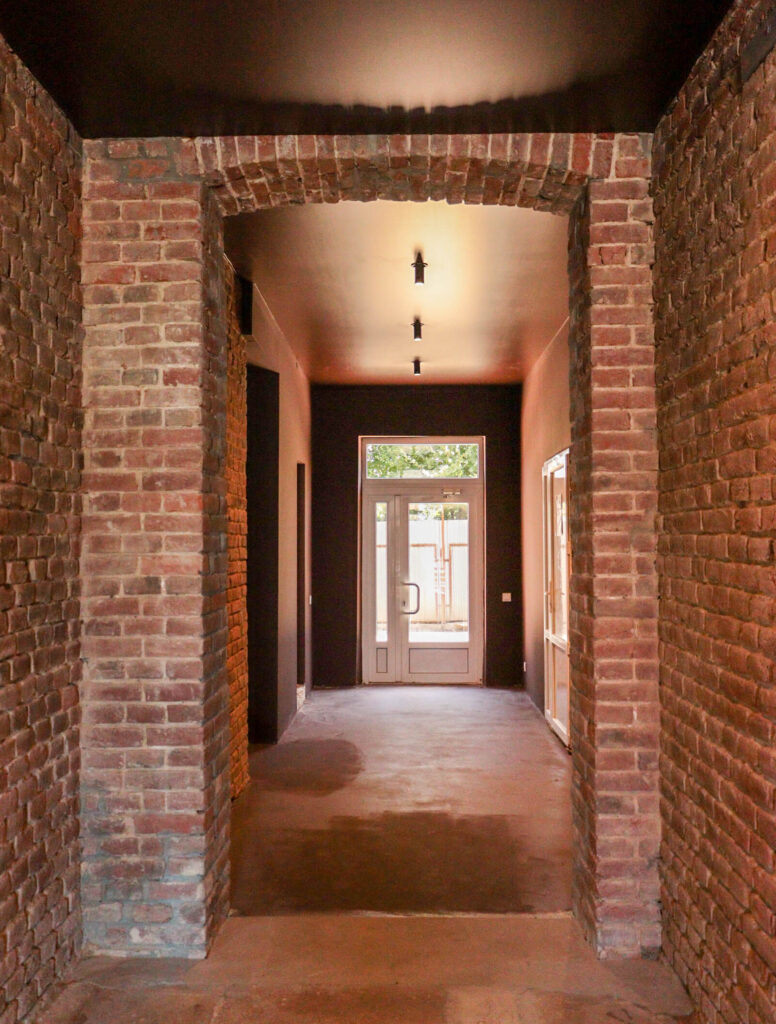
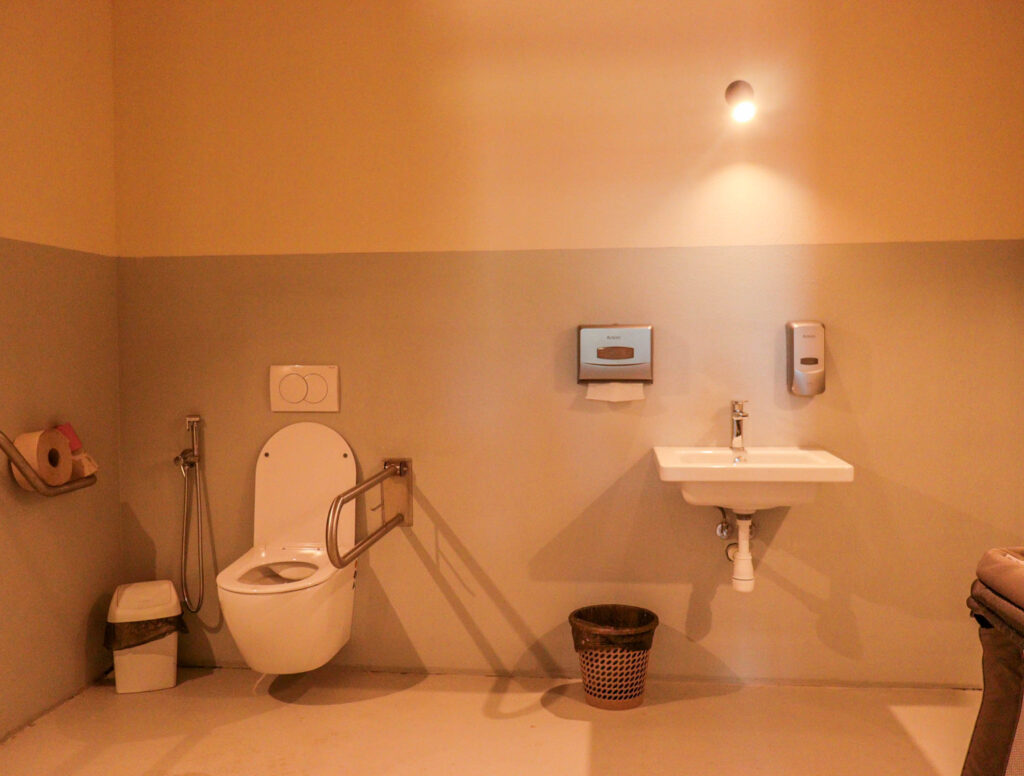
As part of the physical transformation of the space, the team reinforced the building’s external foundations, installed a barrier-free entrance and an accessible toilet, and restored the original shape of the door arches. Whilst renovating the building’s roof, on the advice of their mentors, the team retained some of the old roof tiles, which eventually became a symbol of the space and are featured in its logo.
‘For us, home is a place of cosiness and comfort. A place where you’ll always be supported. And ‘Glyna’ is a local reference, as our space is located in the Glyna neighbourhood,” explained Maria Bandurovska, the space’s communications officer, regarding the choice of name.
For now, it will be a venue for public events: performances by creative groups, Plast events, and youth council meetings. Negotiations are also underway regarding concerts by a rock band, which is one of the space’s stakeholders. We’d like them to be able to come to their home town and hold rehearsals here.
Liana Mytsko, director of the Lviv Municipal Arts Centre. Programme mentor for the Pustomyty hromada
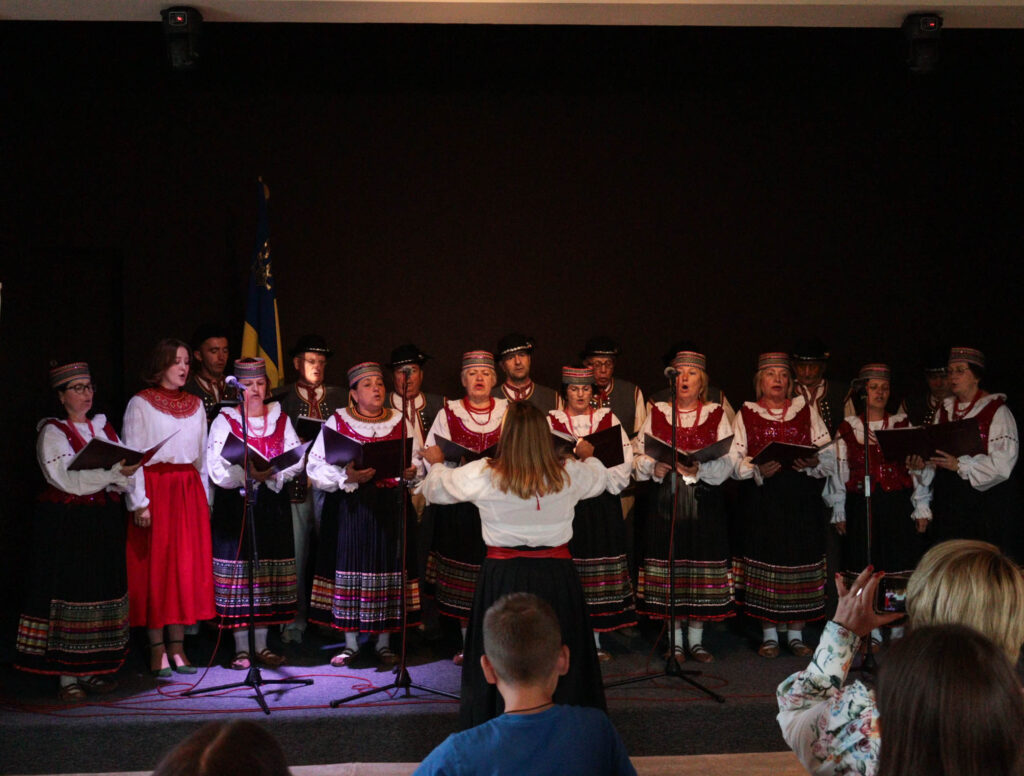
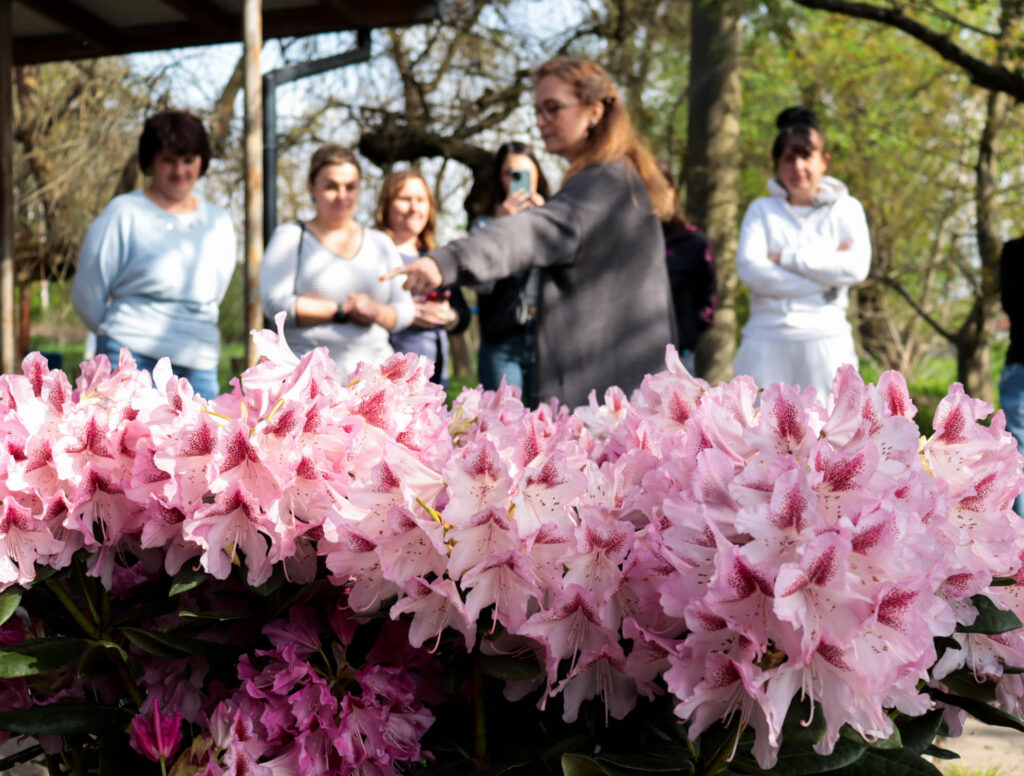
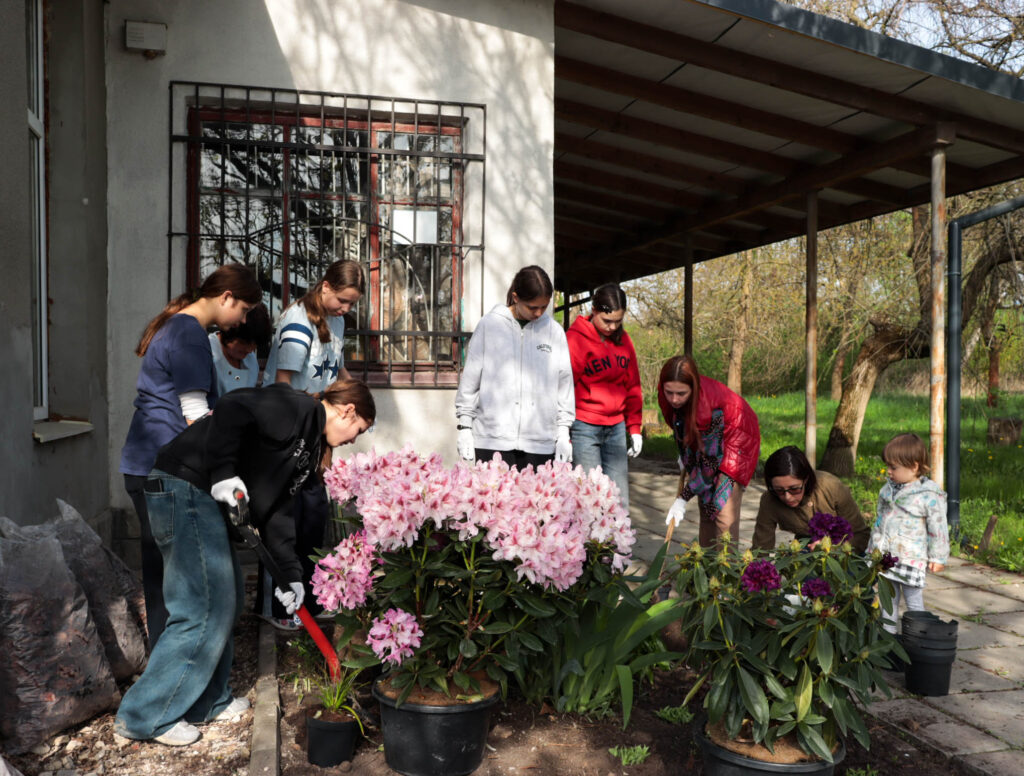
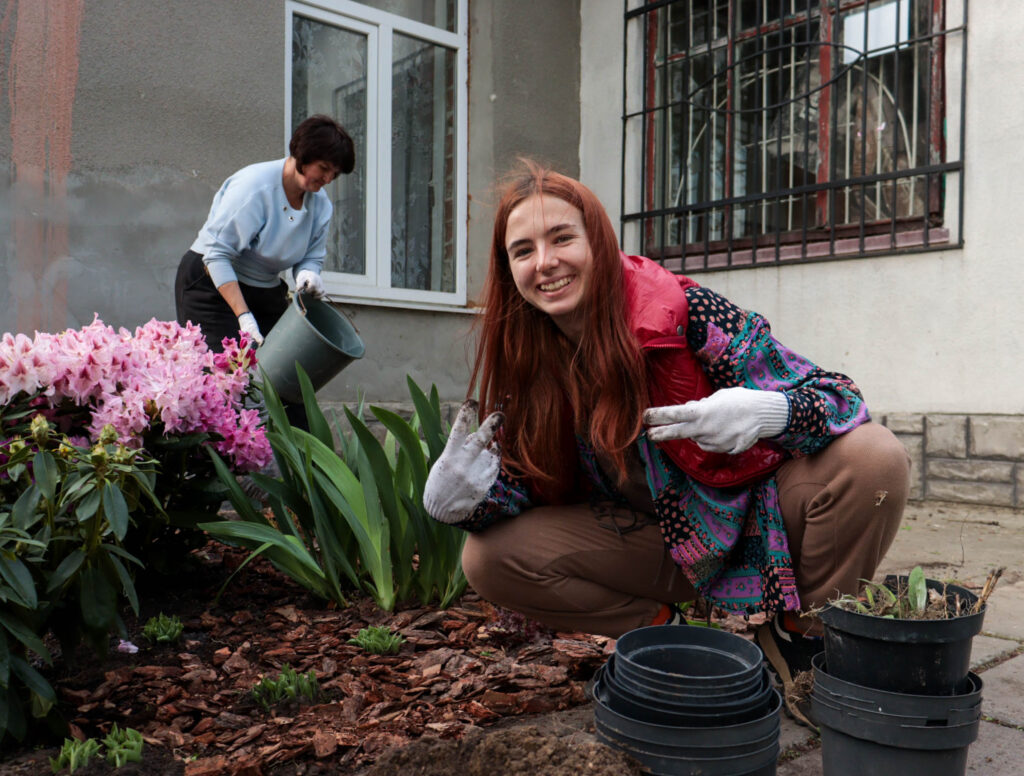
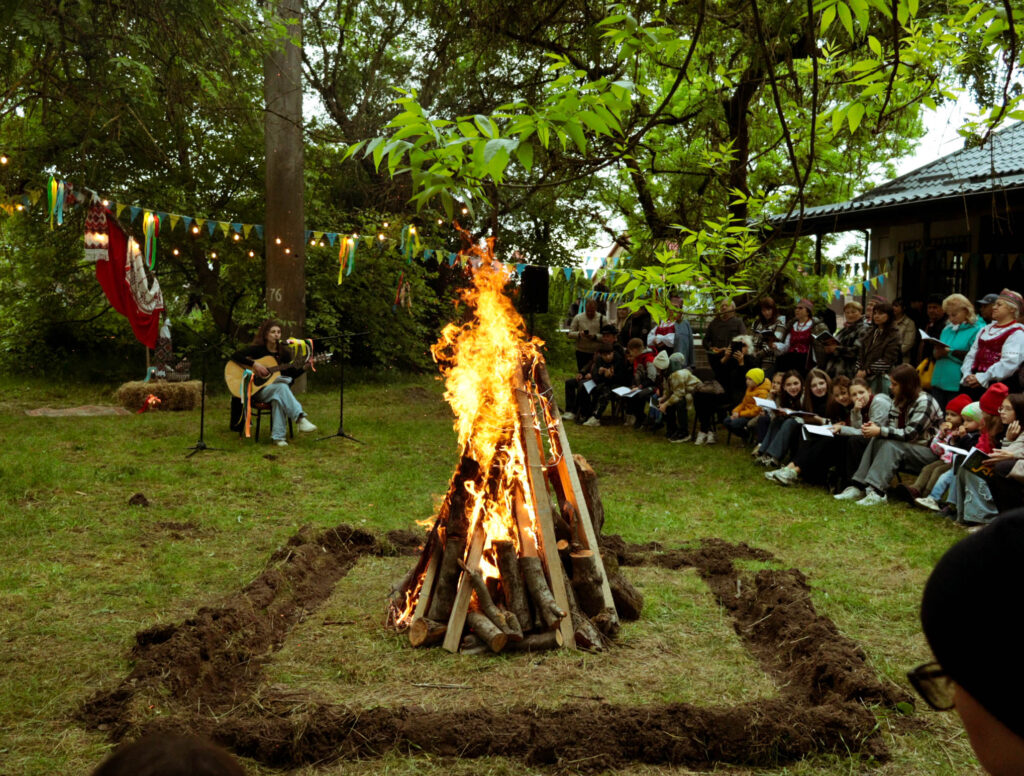
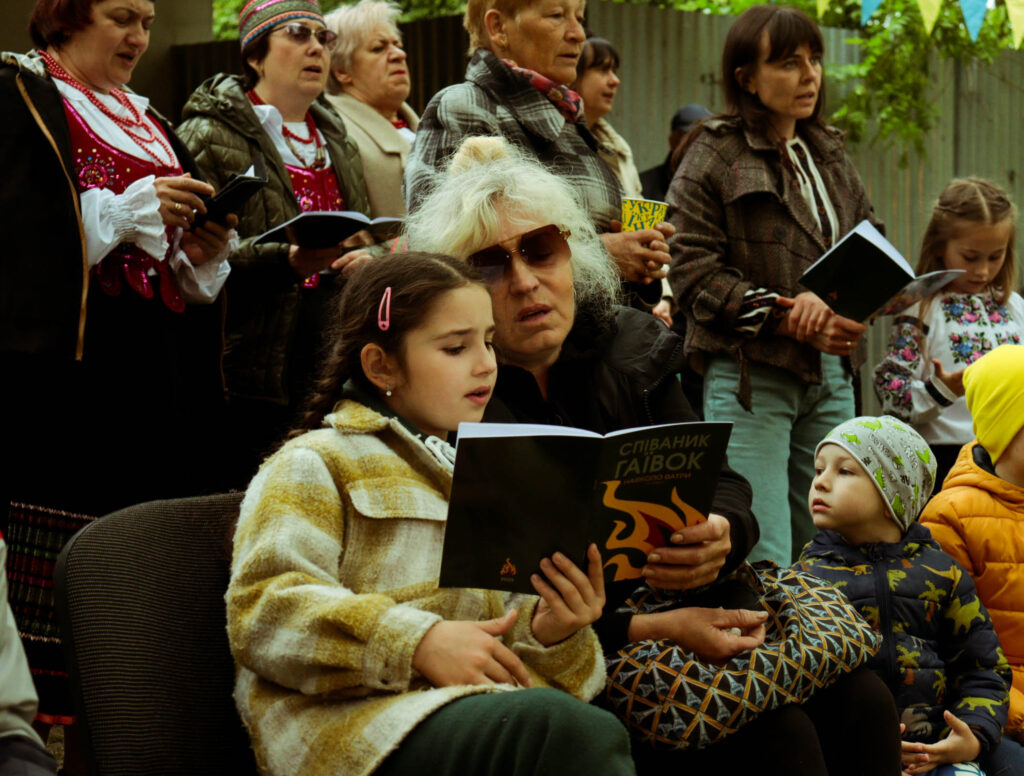
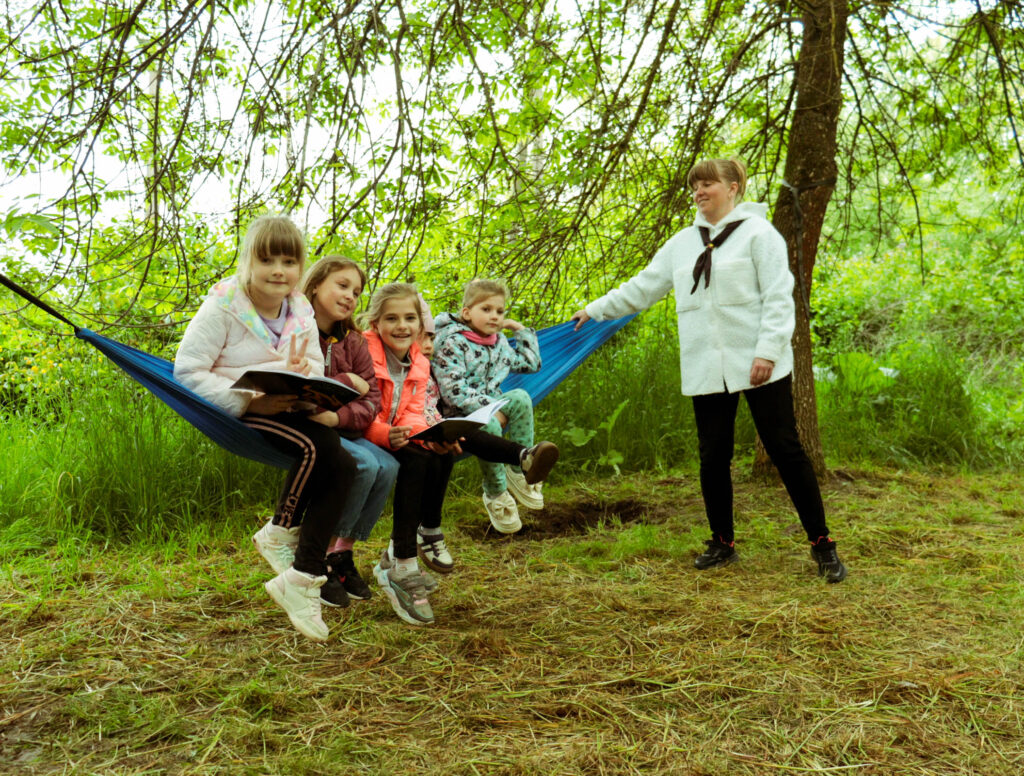
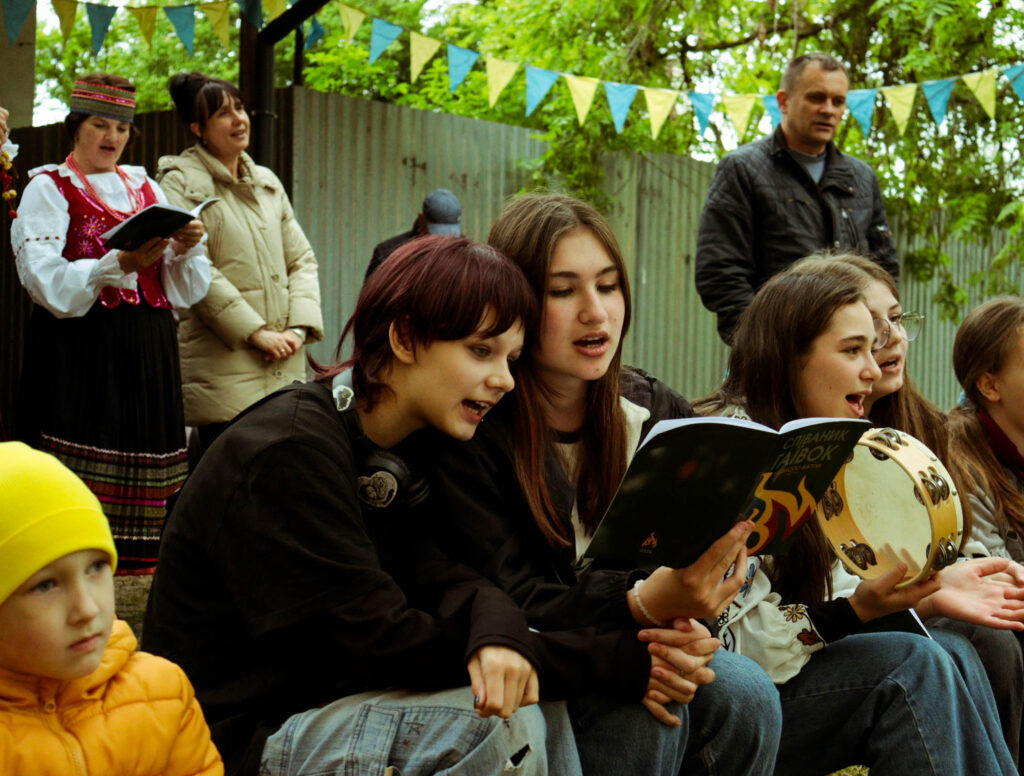
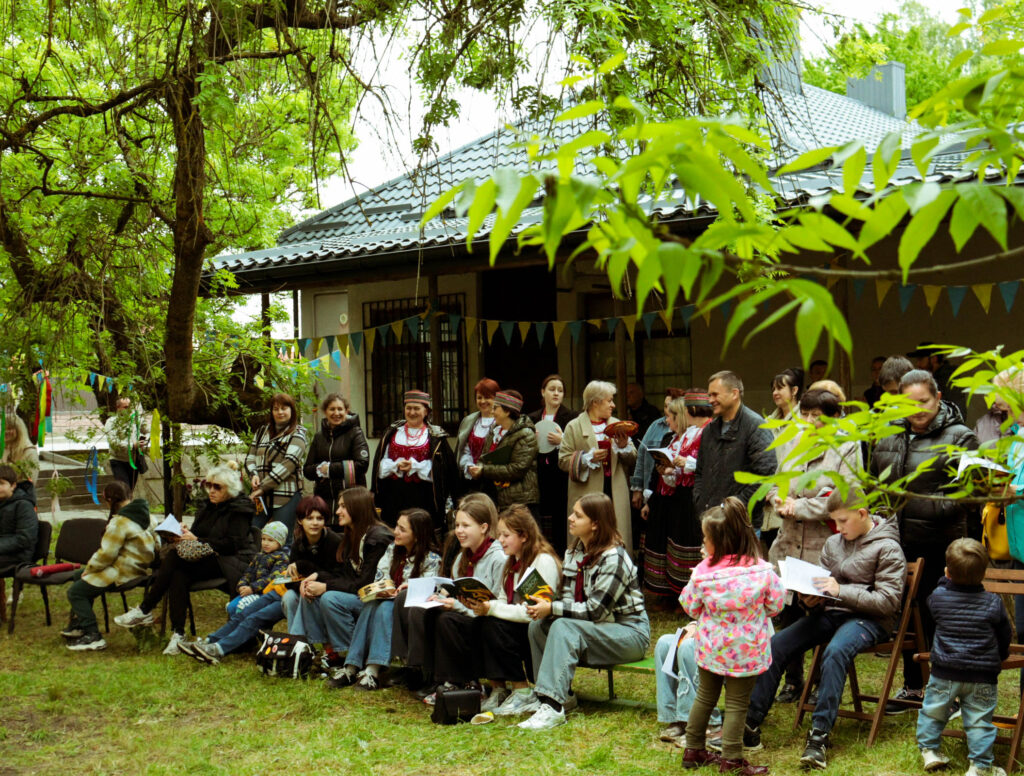
Renovation work actually continued right up until the space opened, so the first events were held in the courtyard next to the community centre. These included a gardening workshop led by expert Oleksandra Sladkova, after which the participants created a flowerbed themselves and took part in a community clean-up. There was also an event called “Hayivky around the bonfire”, featuring the Lemko folk choir “Radotsyna”, during which everyone sang songs together, performed hayivky dances and built a Plast-style bonfire.
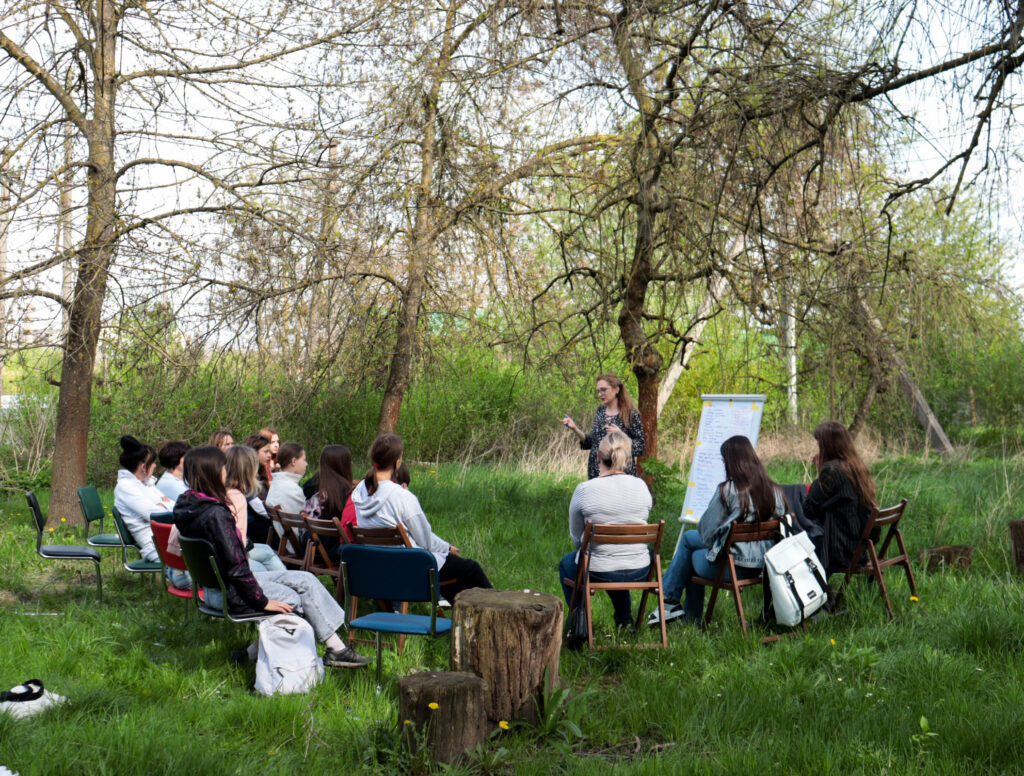
The hromada’s strength lies in its active young people, who lack a place of their own and are ready to get involved in creating one themselves. The young people are very engaged and proactive, and I would like to believe that the community-building centre will be sustained by them. I see great potential in them.
Marta Buryak, architect, designer, urban planner. Spatial mentor for the Pustomyty community
Support Cedos
During the war in Ukraine, we collect and analyse data on its impact on Ukrainian society, especially housing, education, social protection, and migration

 Support


