






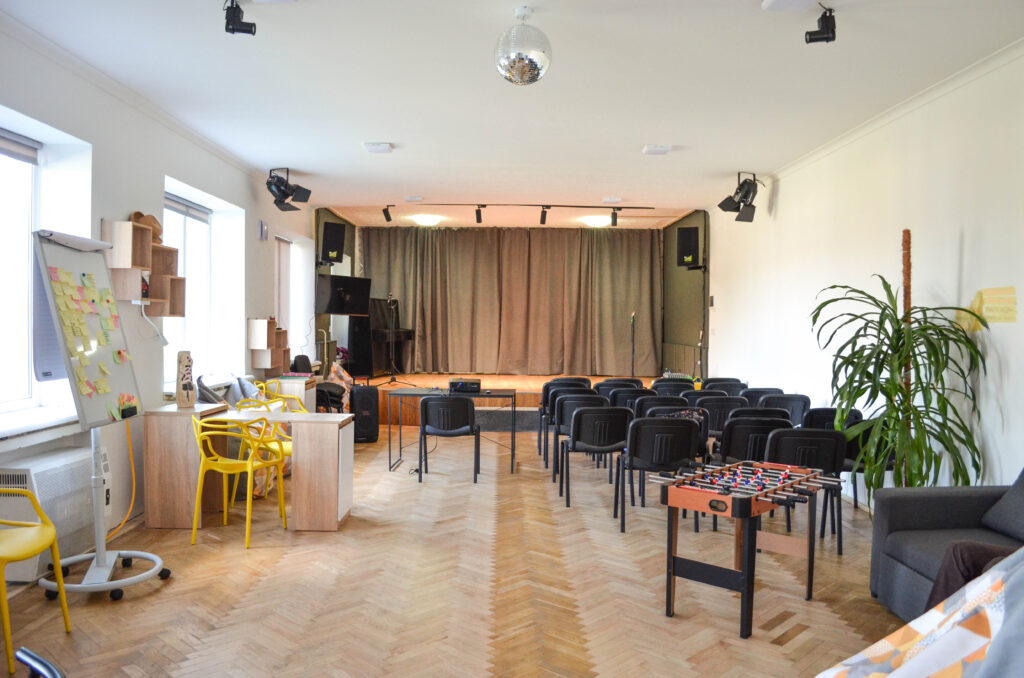
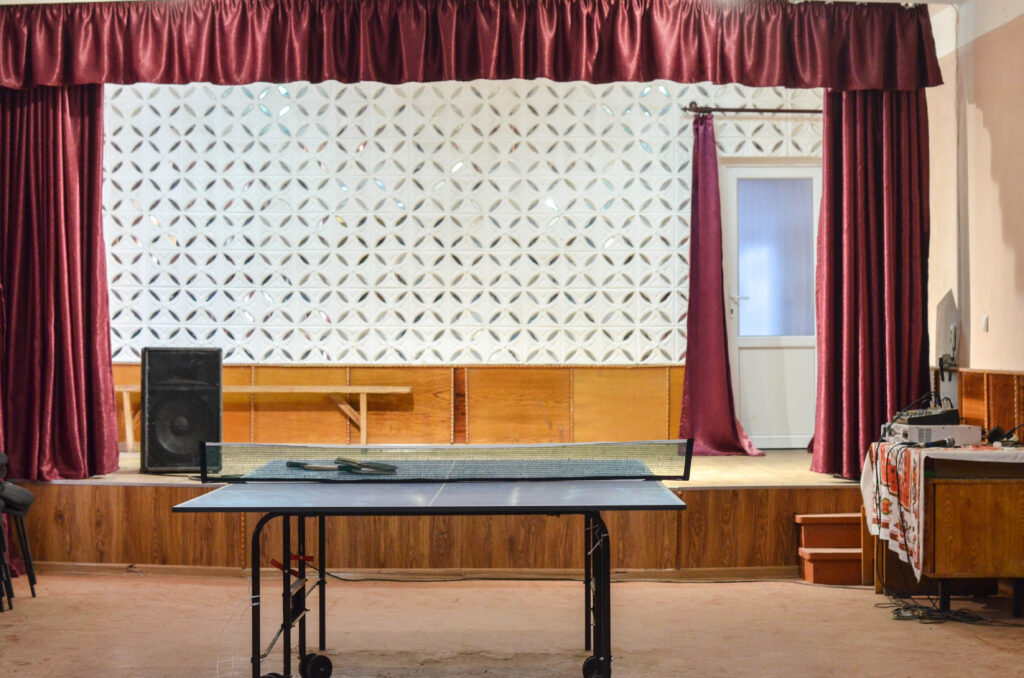
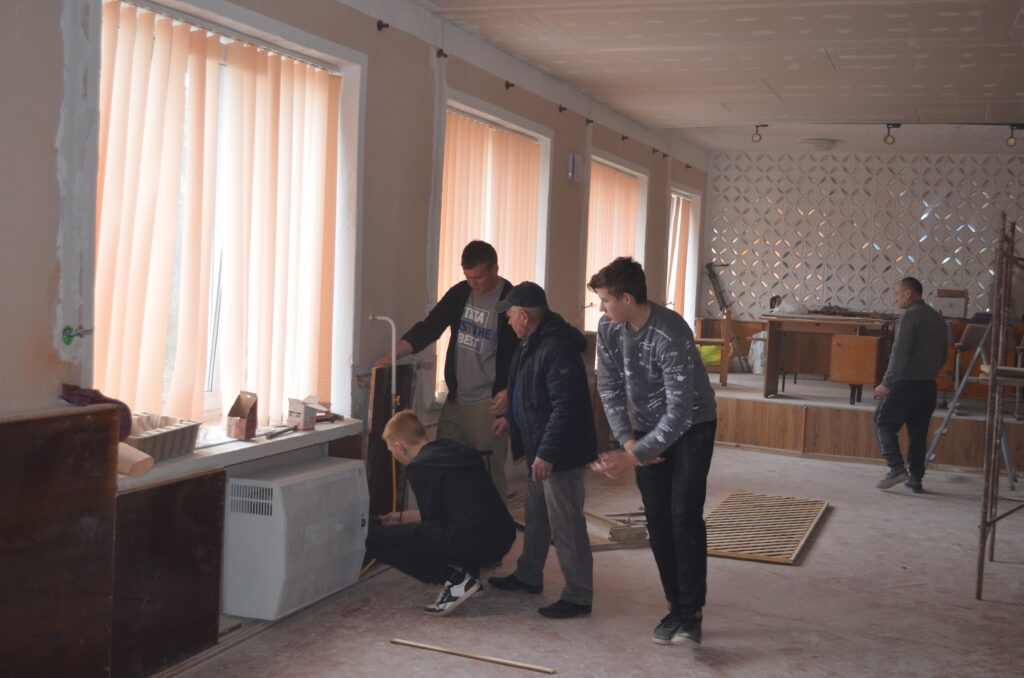
The project was implemented by the NGO “Institute of Urban Culture”. The spatial mentor was Oleksandr Makarenko, an architect and co-founder of the “Urban Design” architectural studio. The programme mentor was Kateryna Yakovets, a spatial planner and project coordinator. The author of the physical transformation of the space was Kirilo Chuiko, an architect.
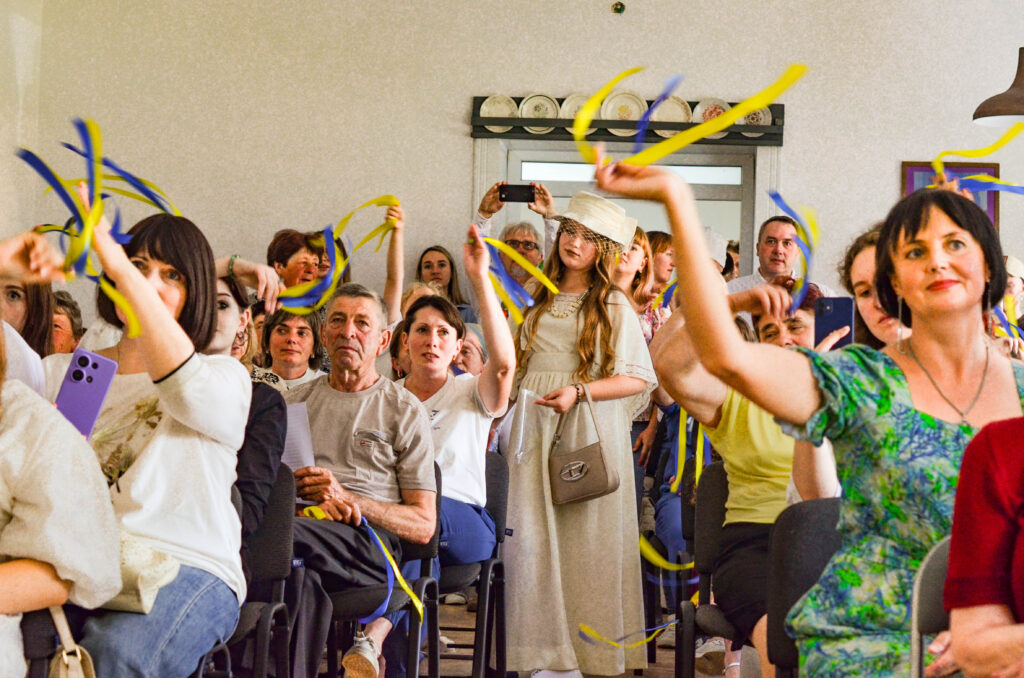
The opening of the “Svitlytsia Fedorovycha” was a celebration for the hromada — it was attended by children, families, residents of all ages, and visitors from other cities. Serhii Tkachov, co-organiser of the project and a historian from Ternopil, led a tour of the Fedorovych Museum. A particular highlight was the creative activity in the garden, where participants made cards from flowers mentioned by Volodyslav Fedorovych’s daughter in one of her essays.
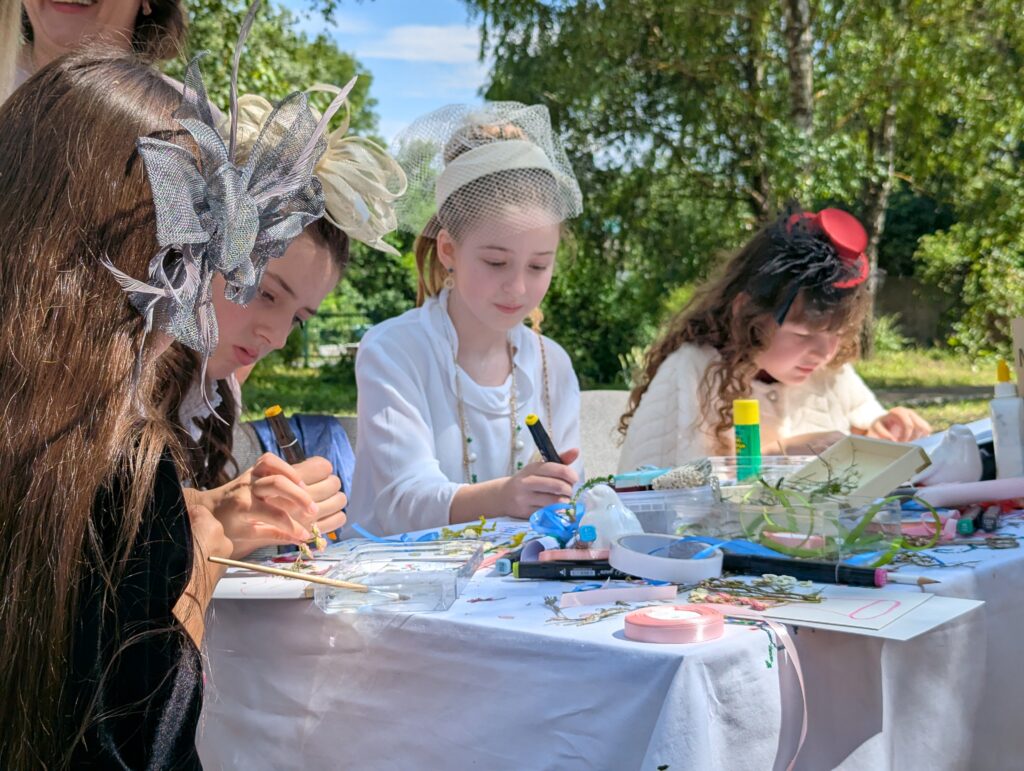
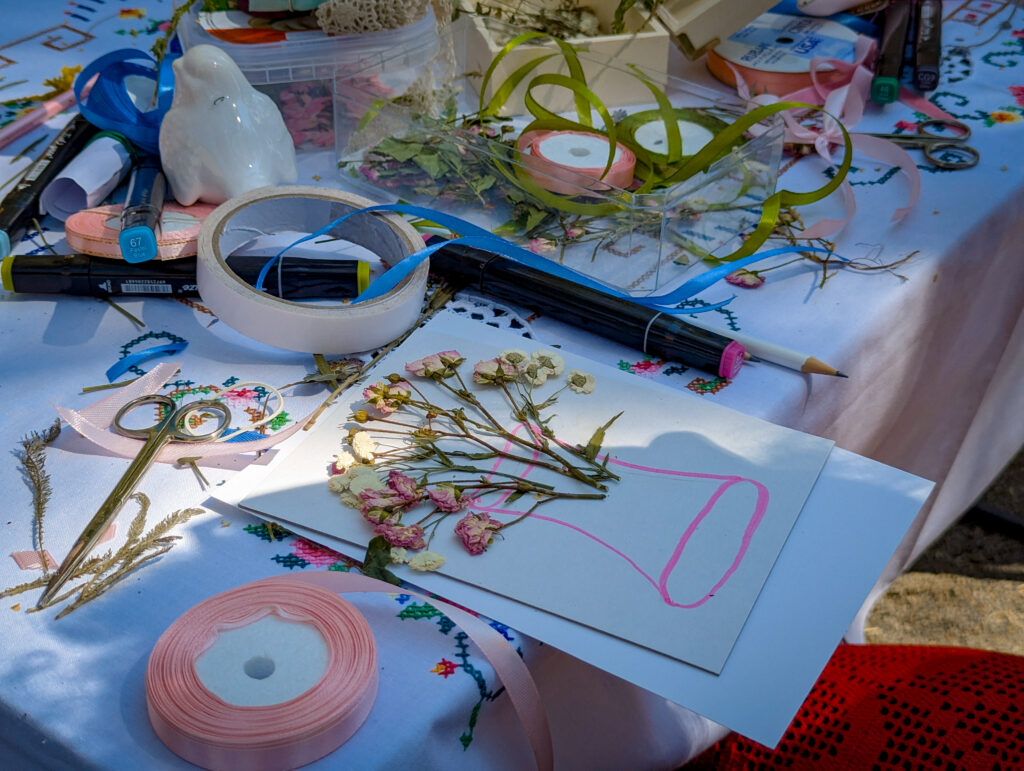
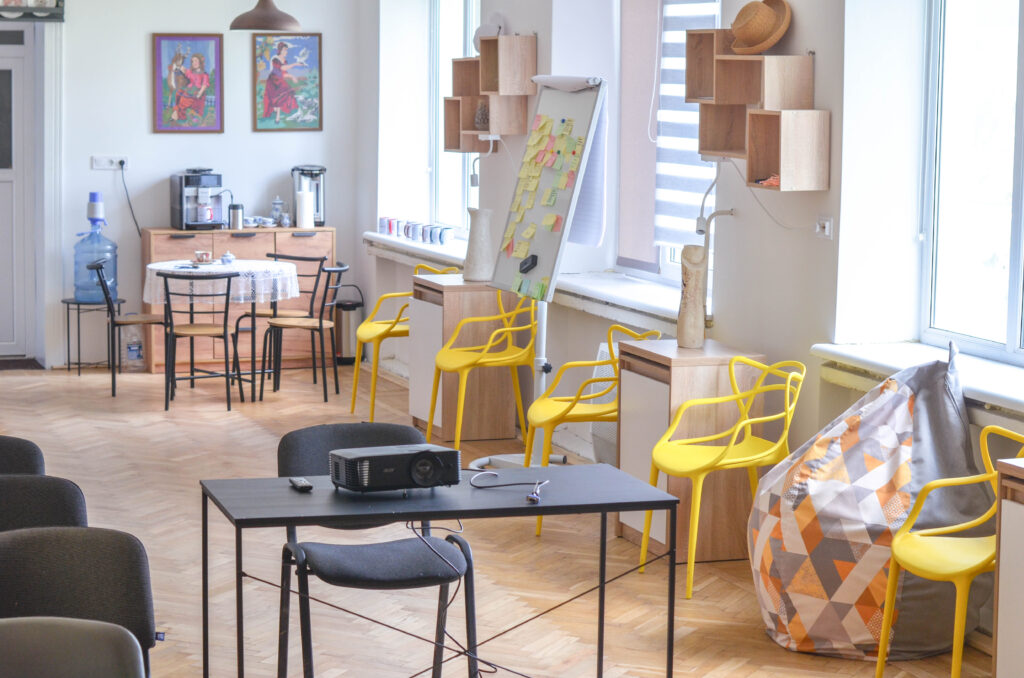
A separate flipchart was used to compile ideas about the future of the space, as put forward by community members during the workshops. This made it possible to see which of these ideas had already been put into practice. Participants even began designing local merchandise, which will eventually be available to buy, including in Ternopil.
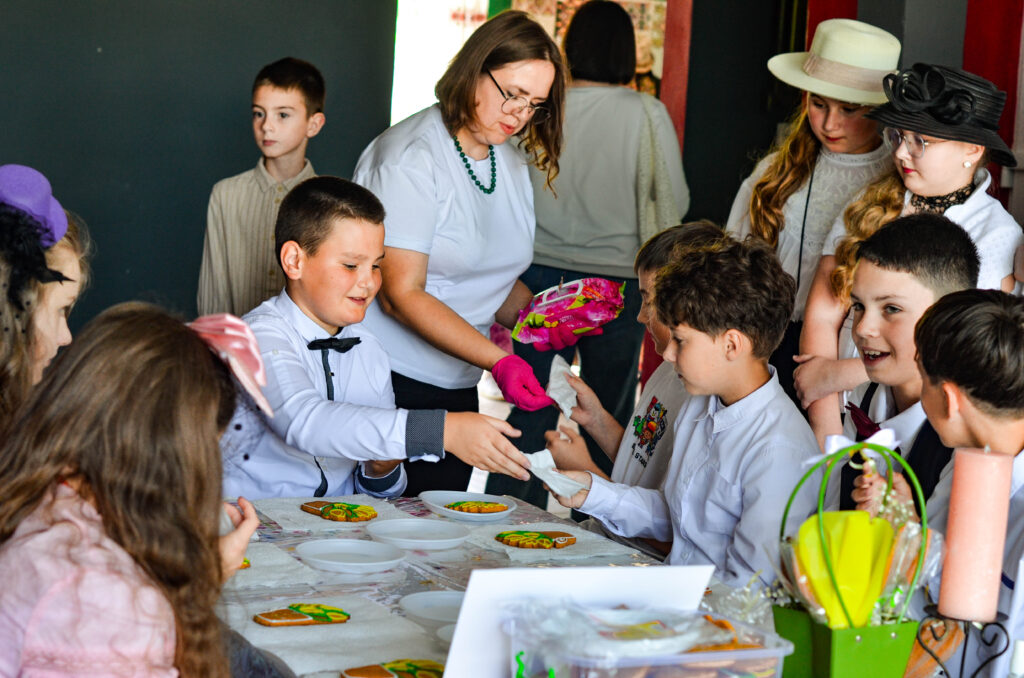
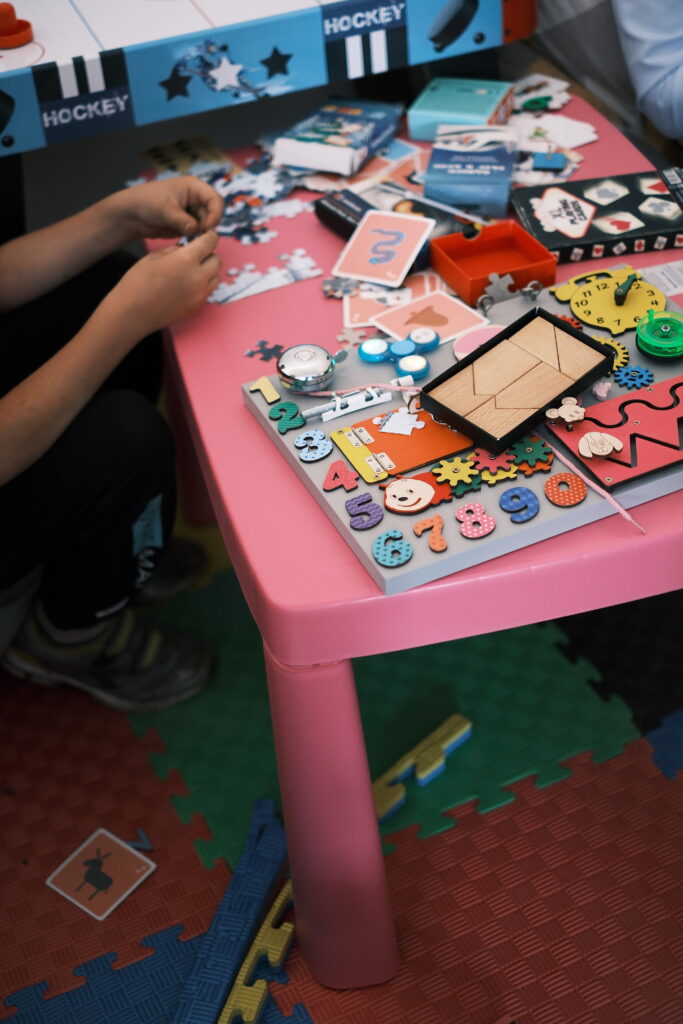
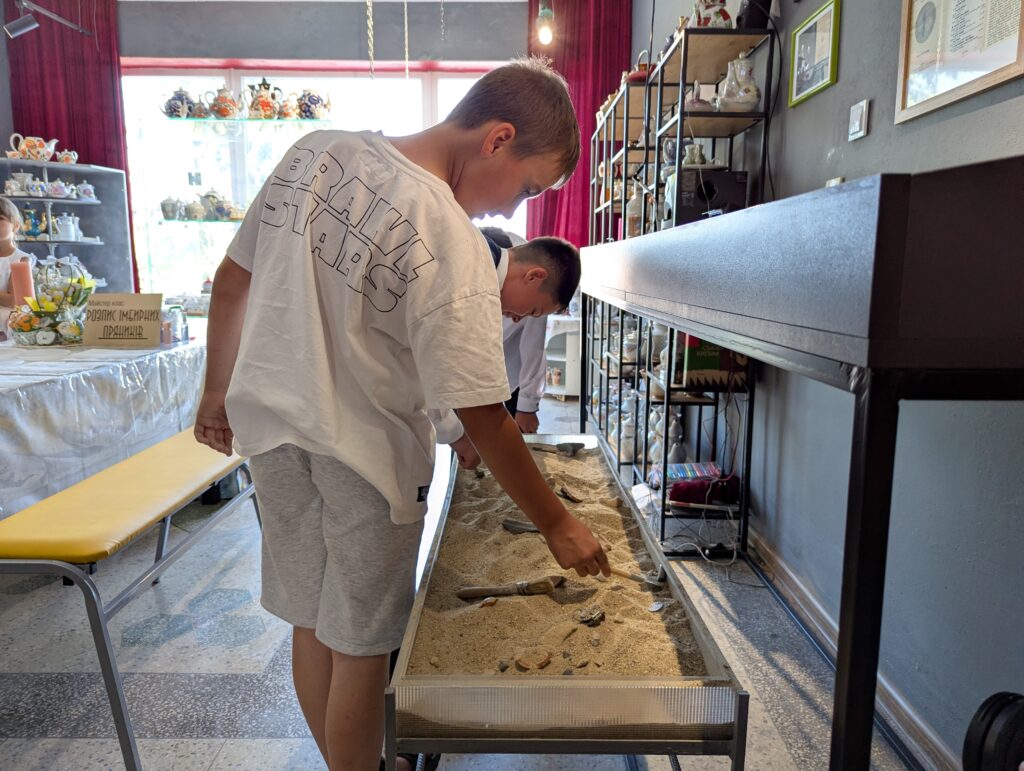
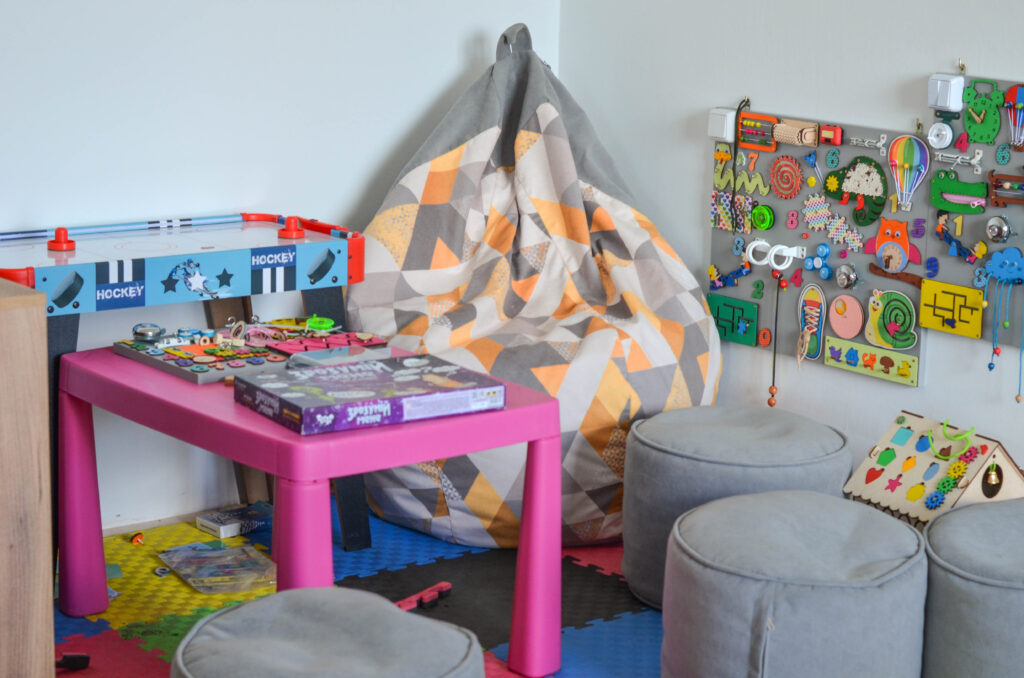
The children particularly enjoyed the sandpit on the second floor, as well as the children’s corner and play areas. The opening of the space concluded with a concert, warm conversations and refreshments: redcurrant jelly, homemade biscuits, sandwiches and liqueurs — all provided by local hosts and hostesses, as well as treats based on recipes by Ukrainian chef Daria Tsvek.
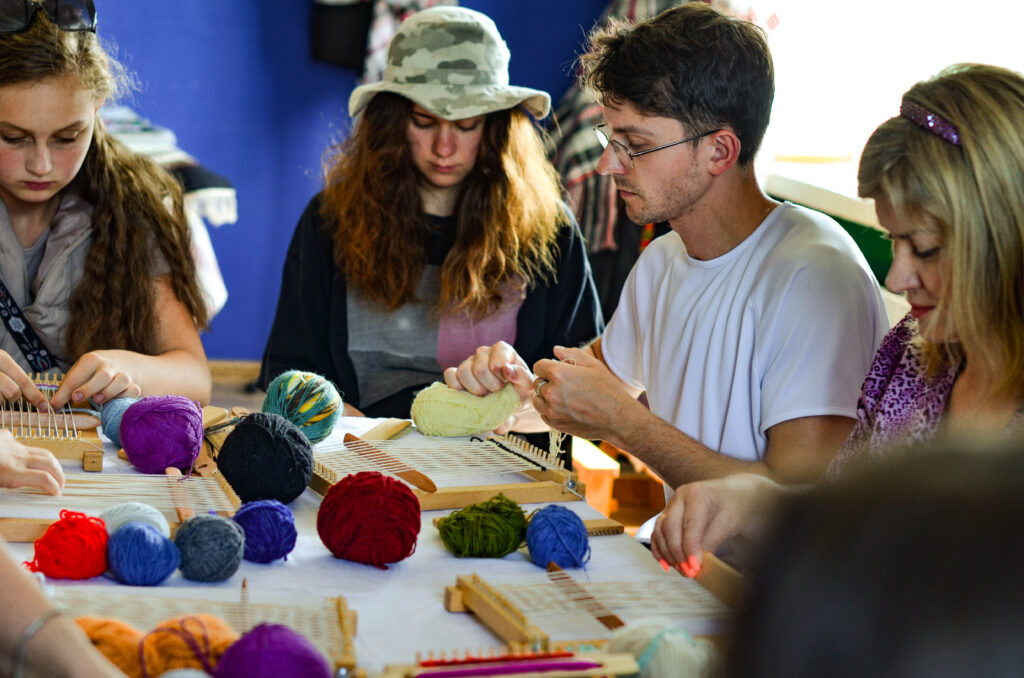
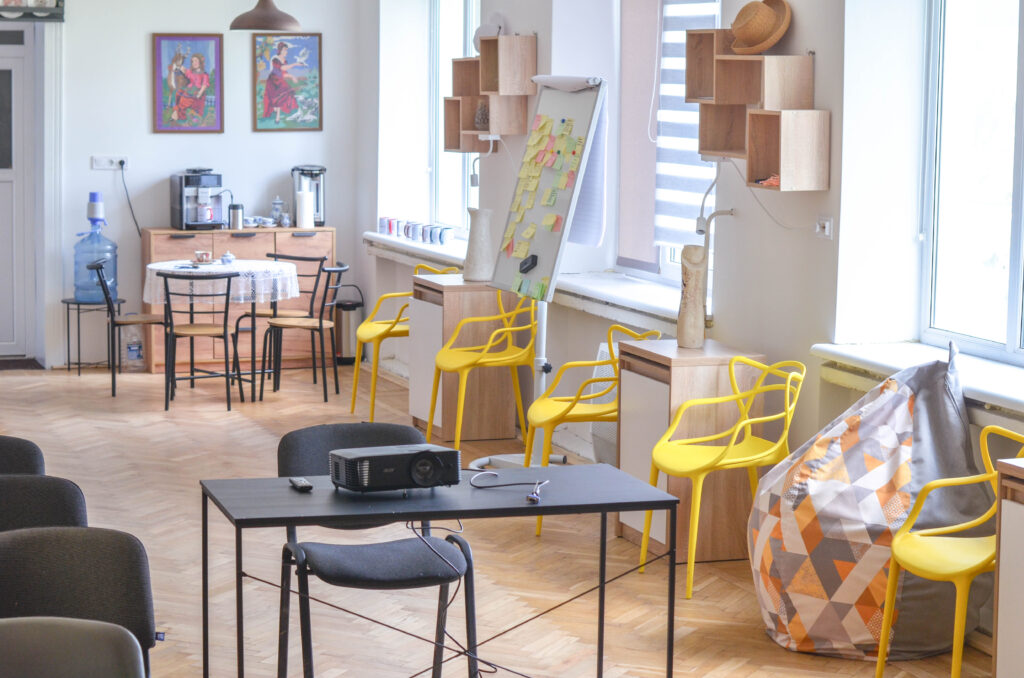
The opening was attended by people from the surrounding villages and those who had travelled from Ternopil specifically for our workshops. Vikno is a centre for carpet-weaving, so those keen to try their hand at this craft came along. The residents of Vikno attended the concert, took a tour of the museum and the garden, and everyone enjoyed themselves. We’re already planning the next stage of the programme; we want to hold a film screening and a 1960s retro party. Now, “Svitlytsia Fedorovycha” on the ground floor, the museum on the first floor and the garden form a single complex. The zoning we devised for the Parlour has also worked out well.
Serhii Tkachov, co-organiser of the project, Ternopil historian
Although the opening of the community-building centre in Vikno had an official programme, the atmosphere was, to some extent, reminiscent of a warm family gathering, where people reminisced about old family stories and dreamt about how the space would function in the future. The informal atmosphere, genuine smiles and intergenerational communication were the key values of the day — confirming that a true community is built not through formal structures, but through trust, dialogue and a willingness to act together.
Serhii Momotyuk, urban planner at Cedos
The village of Vikno, Hrymailiv hromada, Ternopil Region
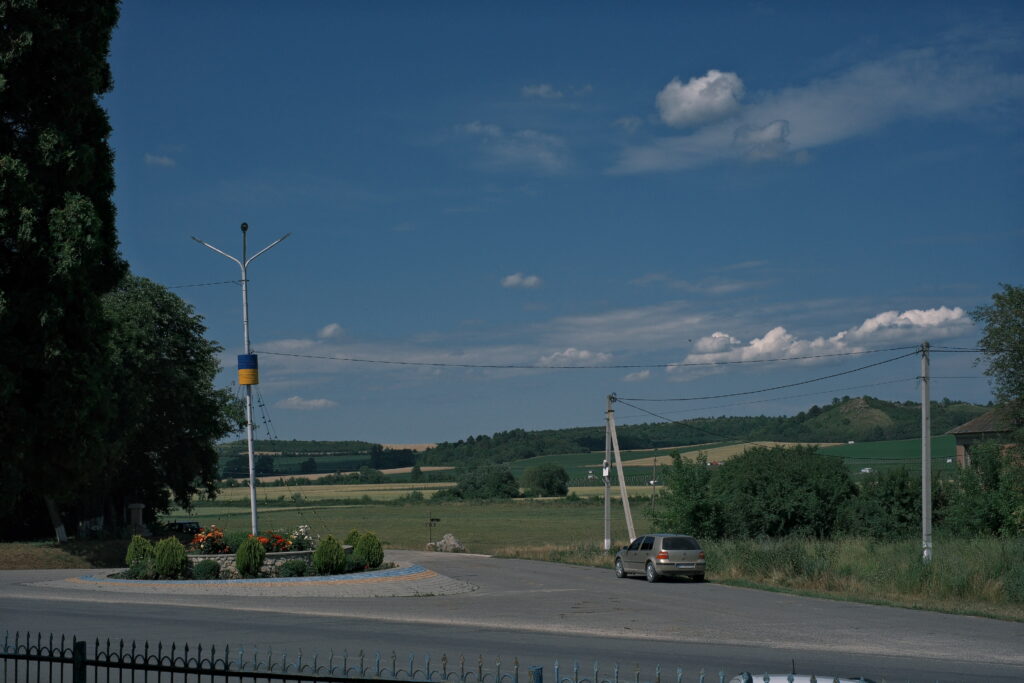
The village of Vikno is the second-largest village in the Hrymailiv hromada and is situated close to the hromada centre. It is home to around a thousand people.
For some time now, the hromada’s population has been migrating to larger towns and abroad, and this trend has intensified since the start of the full-scale invasion. In this situation, there has been a particular increase in the need for places where residents can socialise, take part in cultural life and attend community events. At the same time, the hromada has experienced an acute shortage of opportunities for young people — particularly following the closure of three schools. This is precisely why the issues of non-formal education, socialisation and leisure have become more pressing.
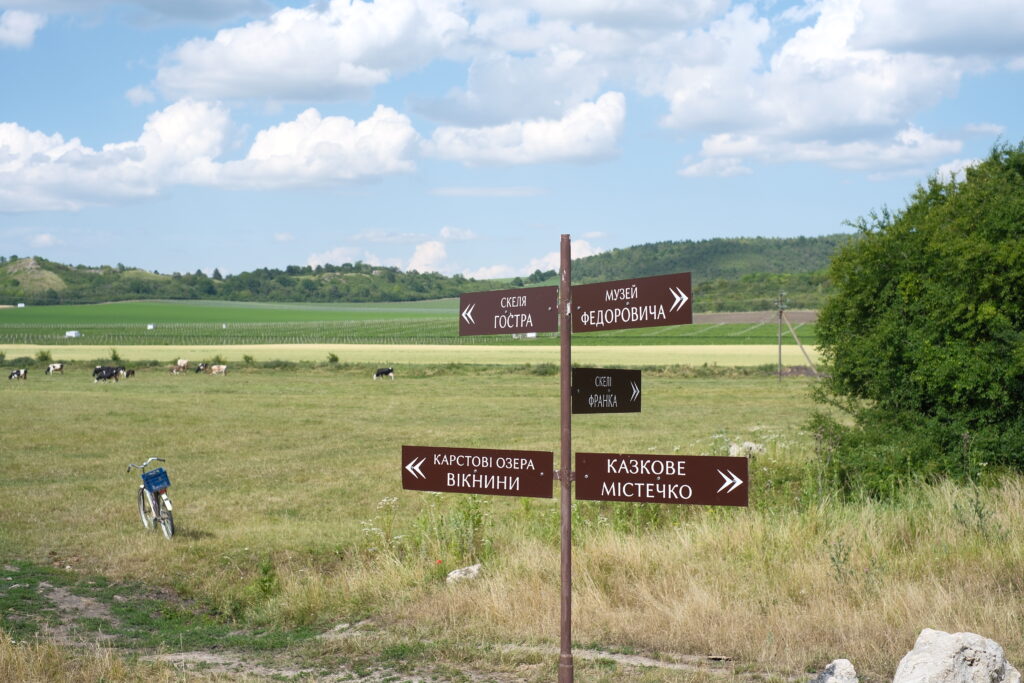
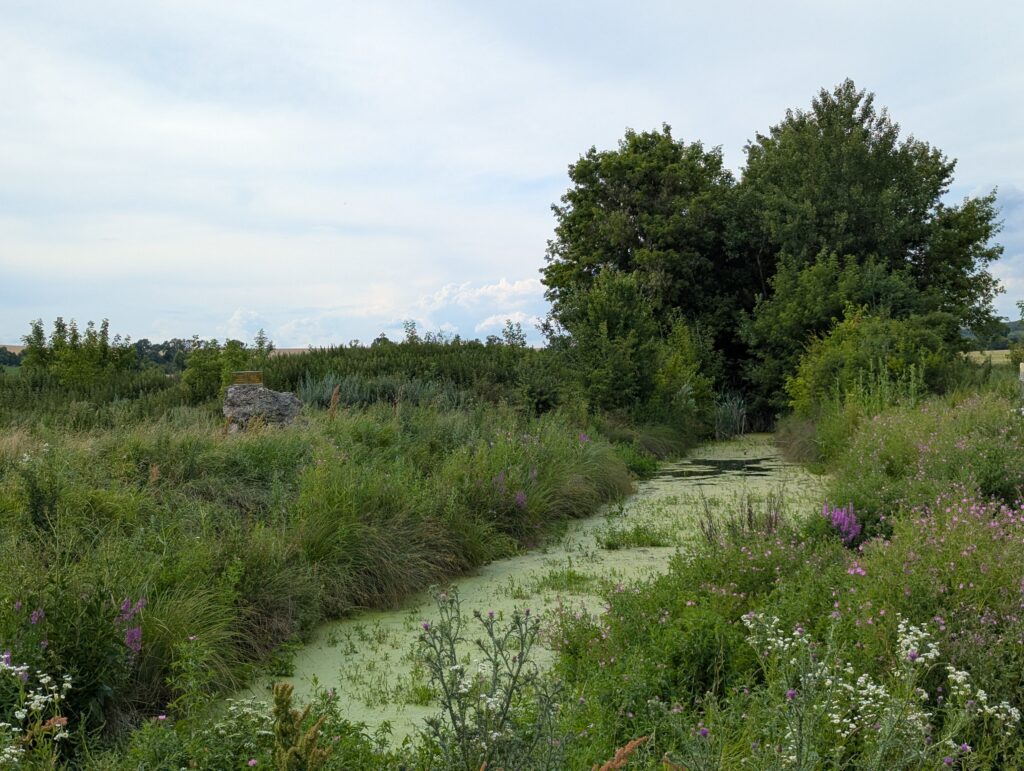
The hromada is working to engage residents: there is a children’s weaving club, a stamp-collecting club, a football club, a poetry group, a choir and so on. The opening of the modern Fedorovych Museum in 2019 provided the impetus for change in the community.
Volodyslav Fedorovych was a Galician patron of the arts, and a political and cultural figure. One of those supported by Fedorovych was Ivan Franko. The opening of the museum attracted tourists to the hromada and provided the impetus to clear the Franko Rocks, create a magical children’s playground and establish a literary botanical garden named after Daria Vikonska, the patron’s daughter.
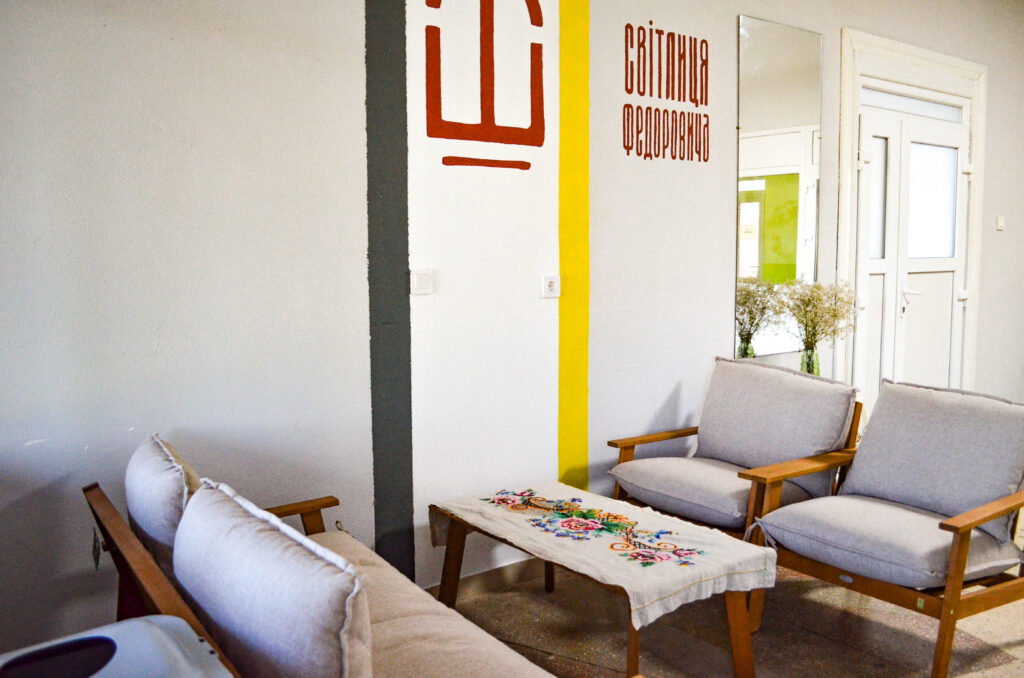
About the “Svitlytsia Fedorovycha” community building centre
The community building centre, based at the museum, will serve as a venue for socialising, learning and meaningful leisure activities, as well as a tourist attraction.
“Svitlytsia Fedorovycha” aims to engage local residents in an active cultural life, improve the quality of their leisure time and support the integration of internally displaced persons. The project team plans to focus primarily on working with young people and older people.
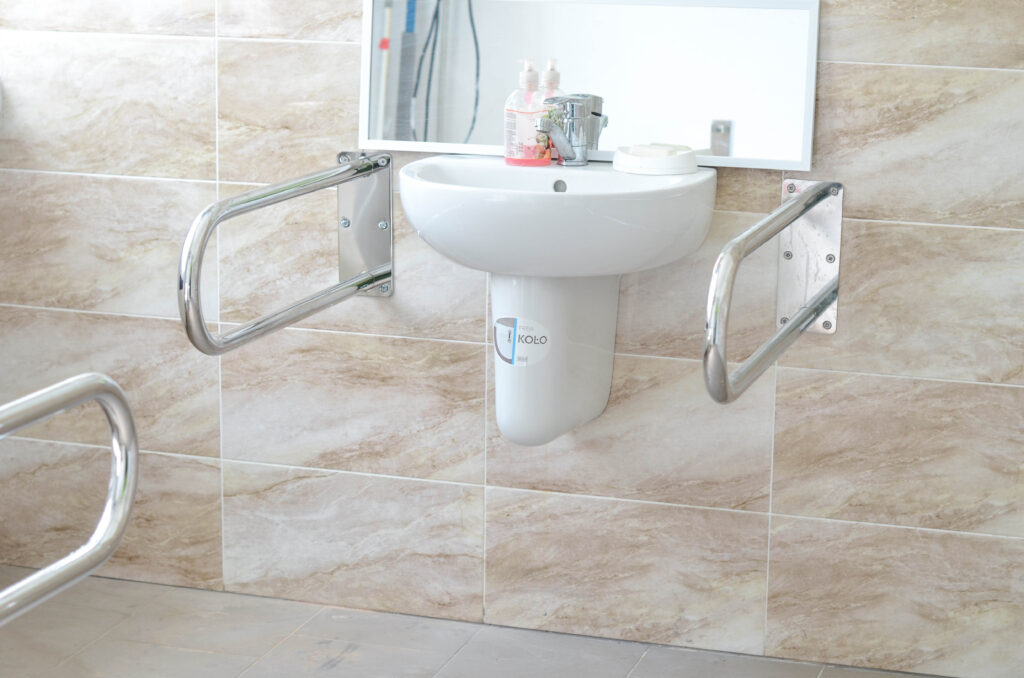
As part of the project, barrier-free access to the premises was improved — the entrance doors were replaced with ones suitable for people with reduced mobility and made threshold-free, and the toilet was refurbished in line with the recommendations.
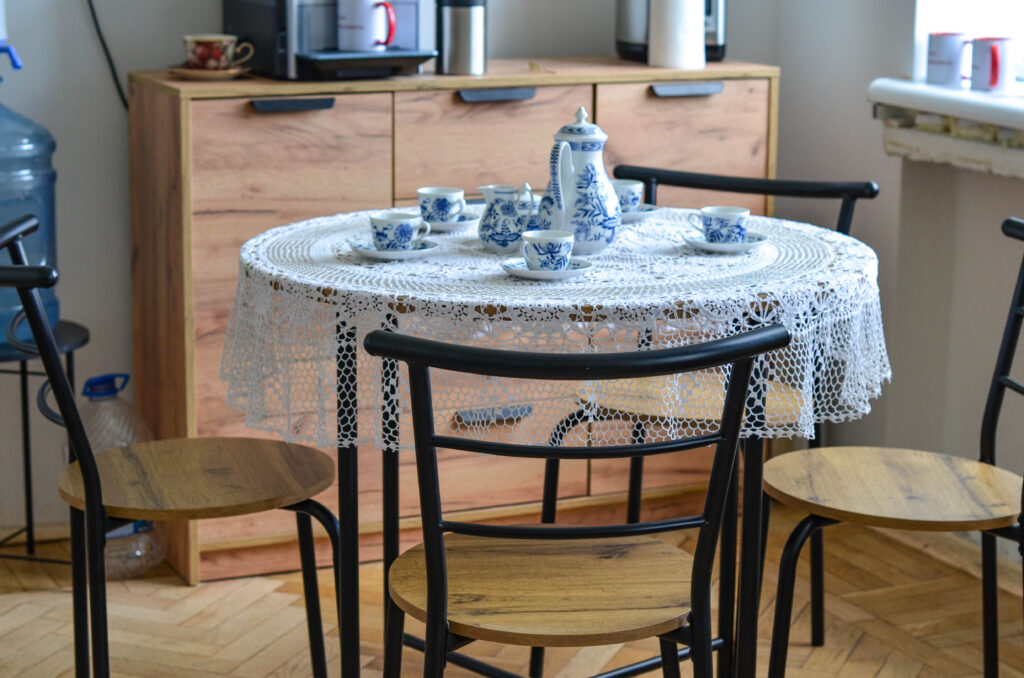
Vikno is a small village which, until now, has lacked a communal space where residents could gather, particularly during the colder months. The people who live here are incredibly active and creative. All the children and teenagers are involved in some kind of activity: music, dance or sport. Adults also want to get involved in community activities, and for that, they need a place that belongs to the whole community. That’s why we set out to create a space where everyone can bring their ideas to life — something like a communal living room for everyone. A bright, clean, cosy and warm place.
Oleksandr Makarenko, architect and co-founder of the Urban Design architectural studio. Spatial mentor for the Hrymailiv community
Support Cedos
During the war in Ukraine, we collect and analyse data on its impact on Ukrainian society, especially housing, education, social protection, and migration

 Support


