






The project was implemented by the “Pivden” Centre for Adult Learning and Education. The spatial mentor is Ivan Protasov, an architect at the Prototyp studio. The programme mentor is Kateryna Rusetska, a curator, cultural manager and co-founder of the DCCC Centre for Visual Culture.
The space was created as part of Community reBuilding — a project to develop community-building centres run by Cedos and UMAEF.
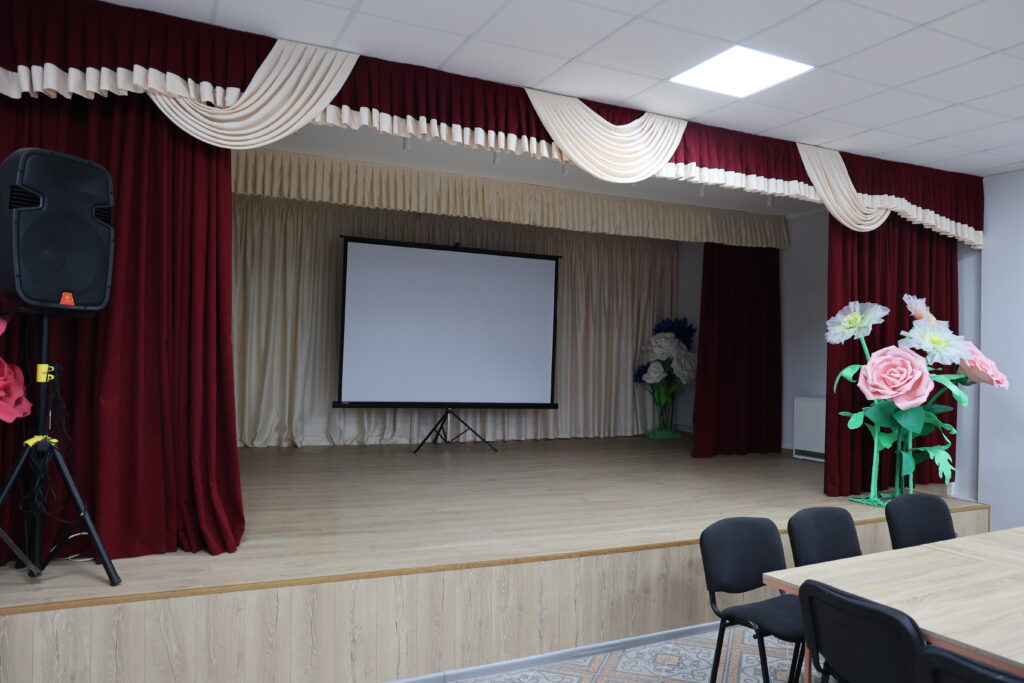
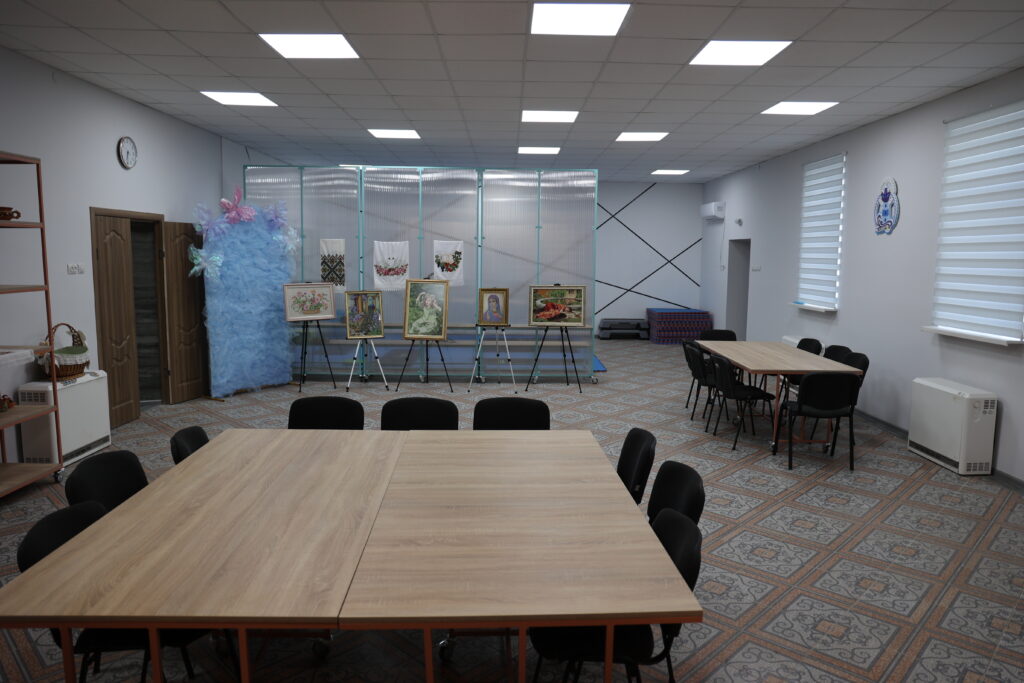
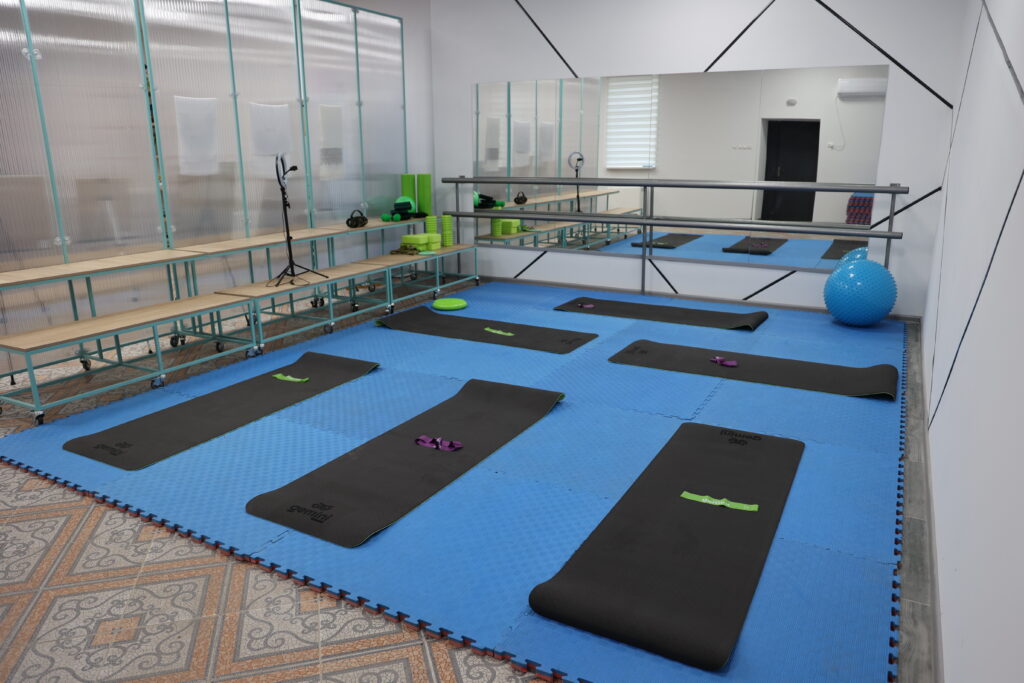
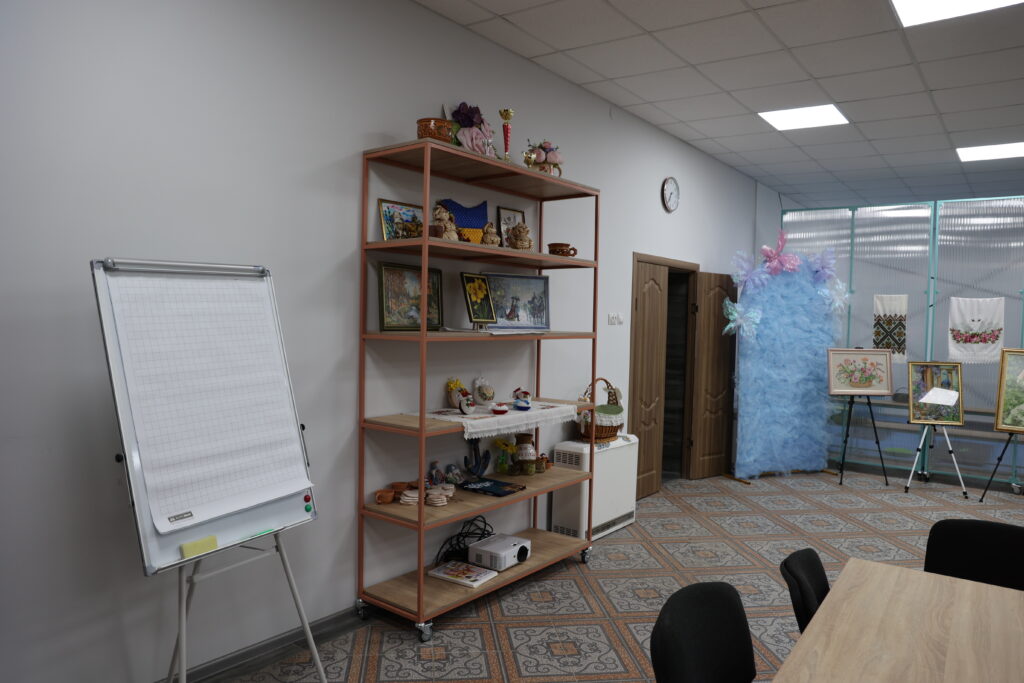
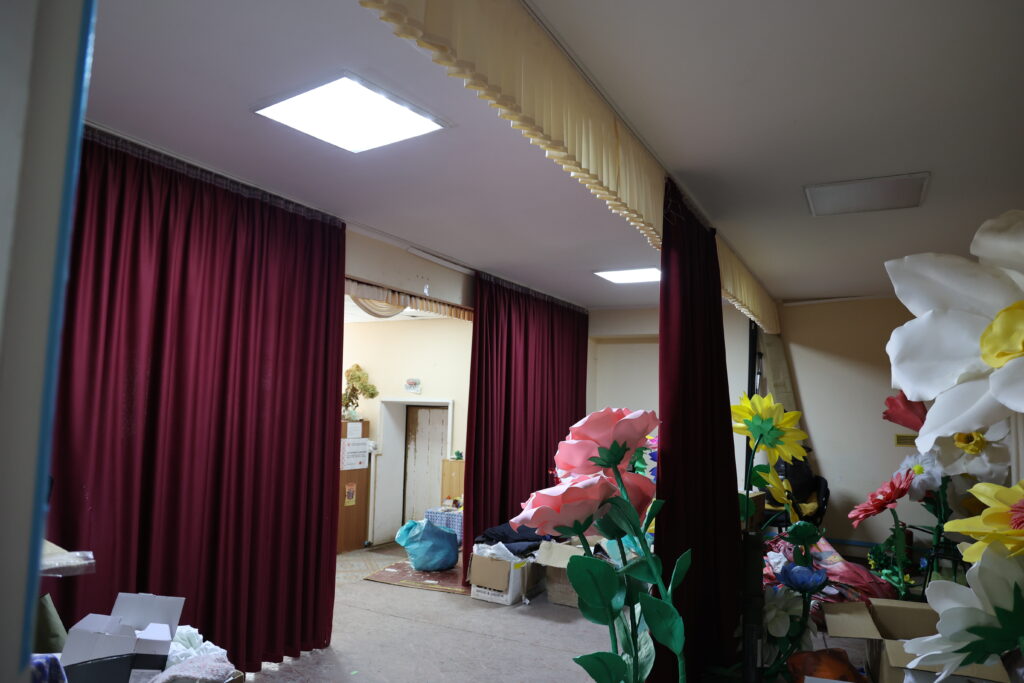
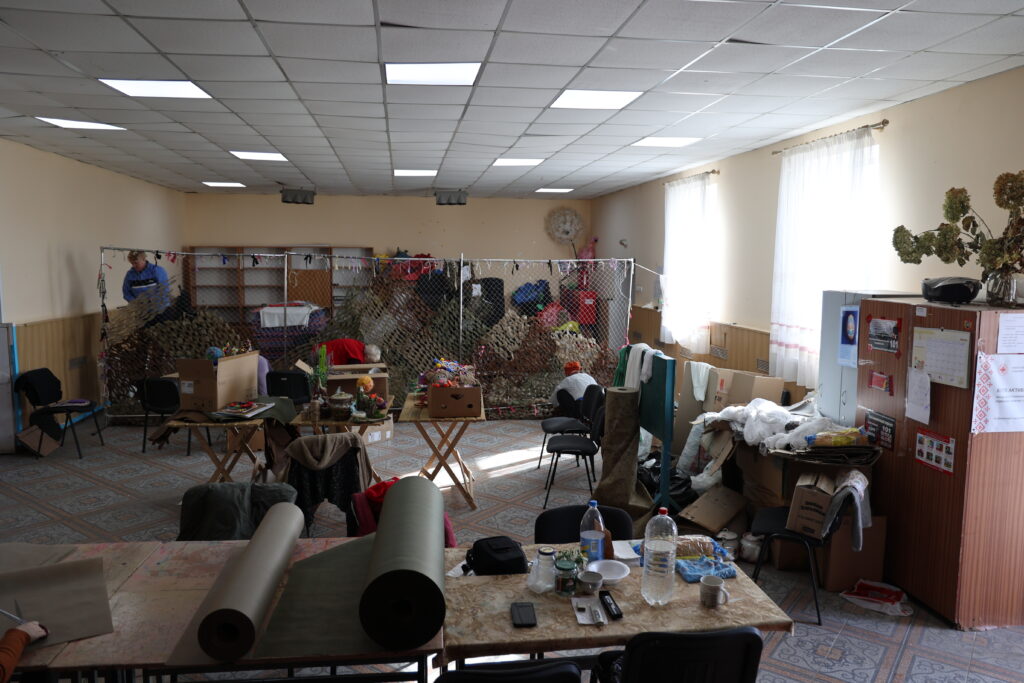
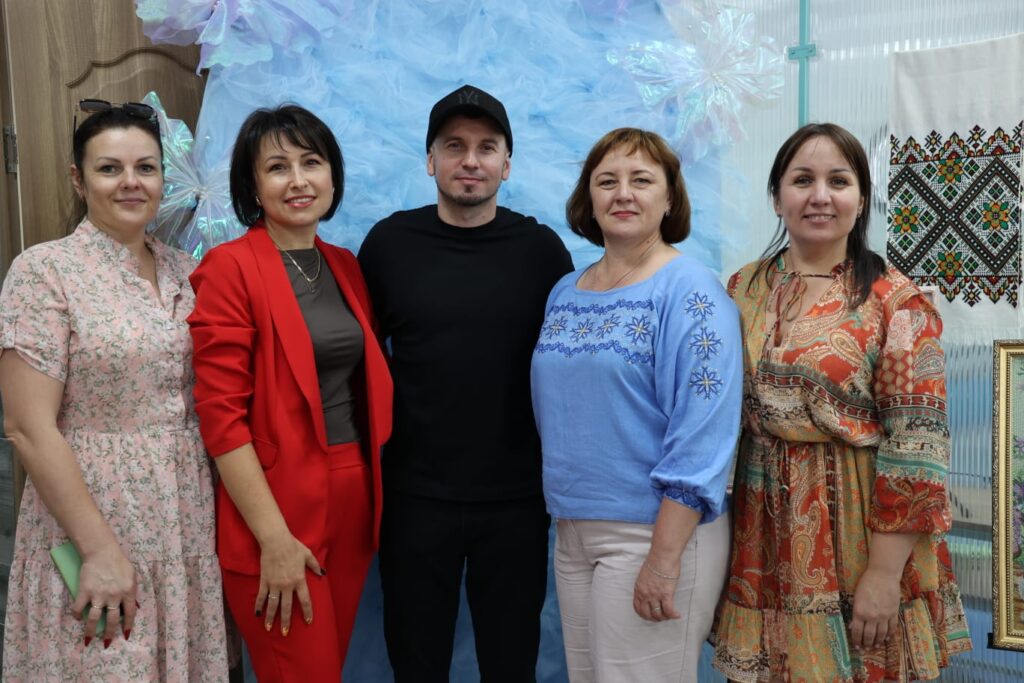
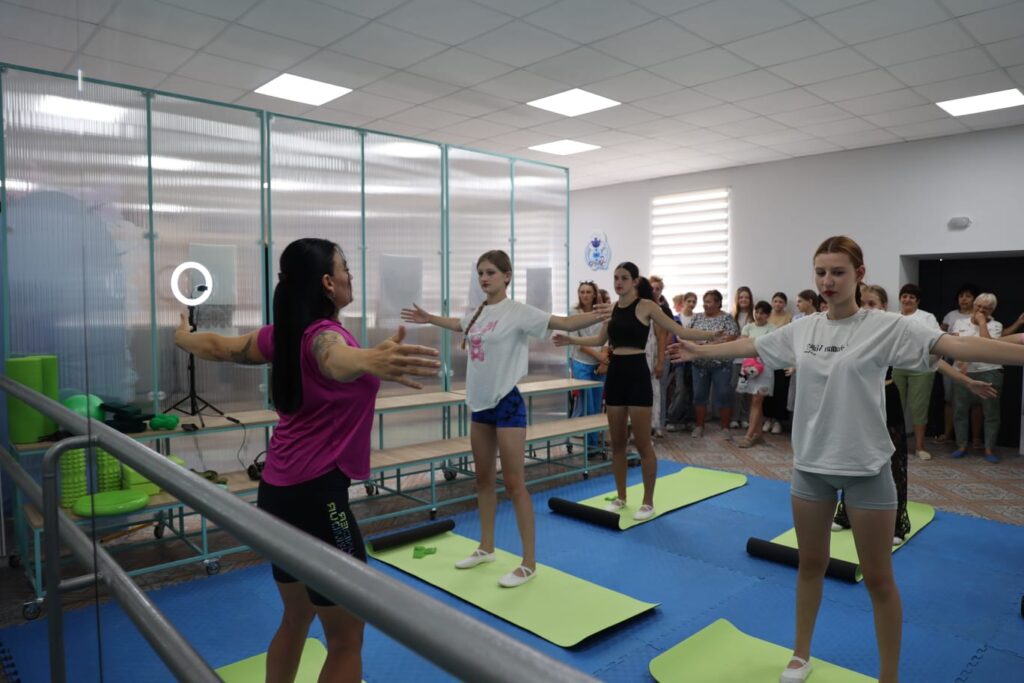
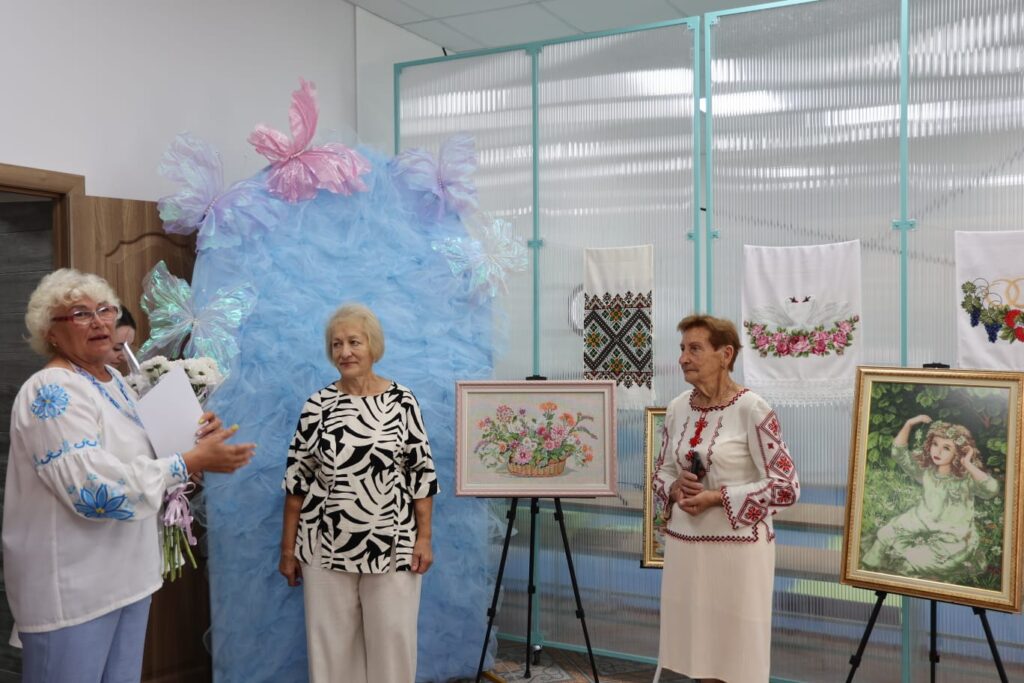
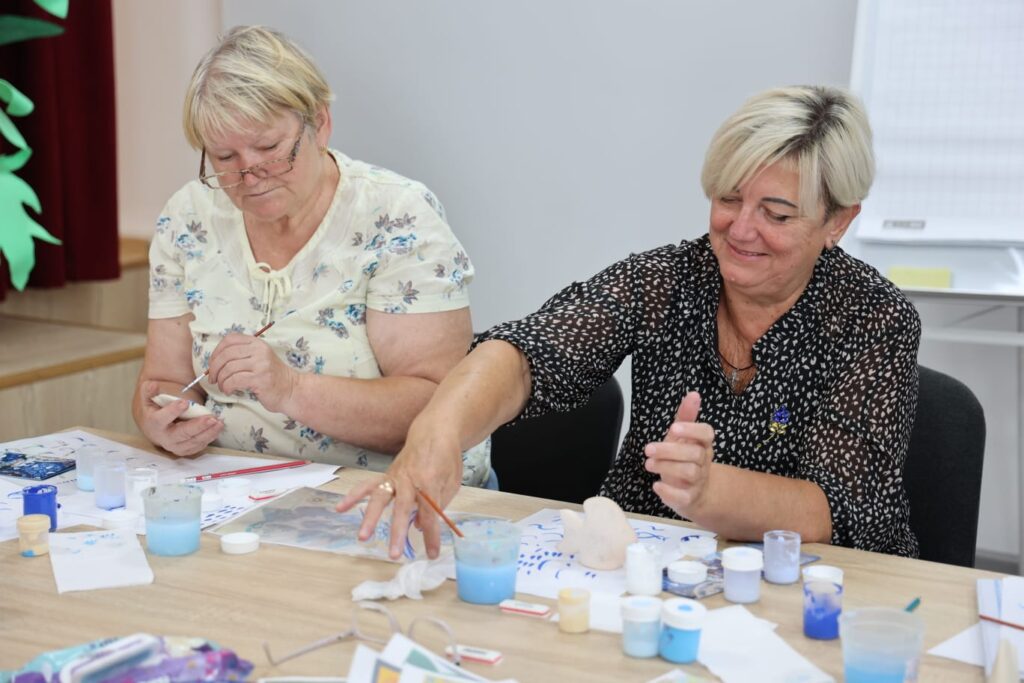
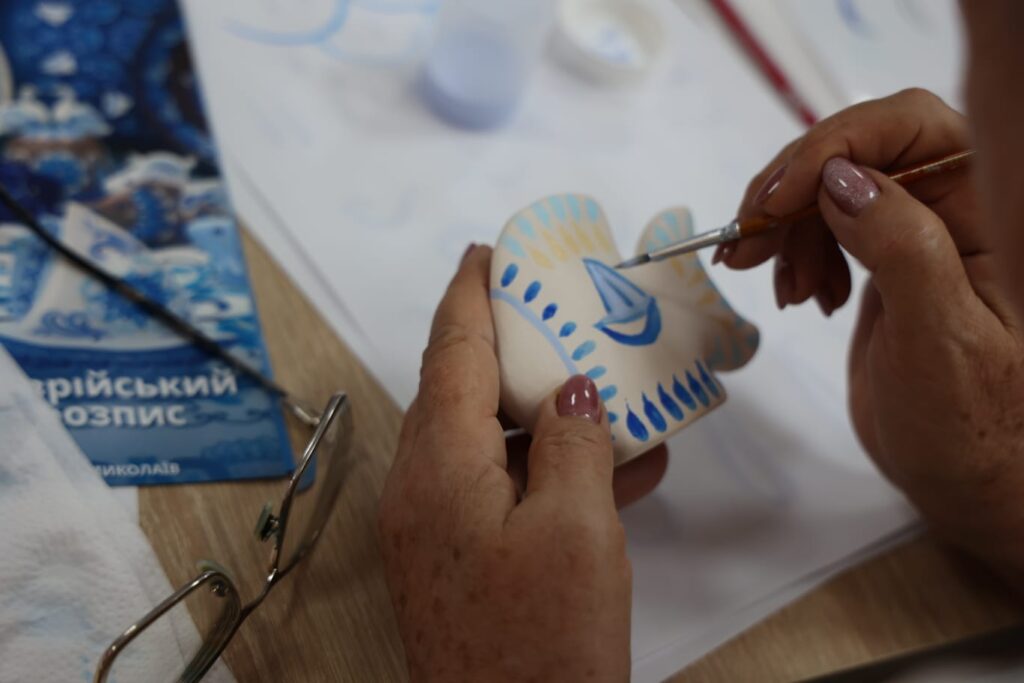
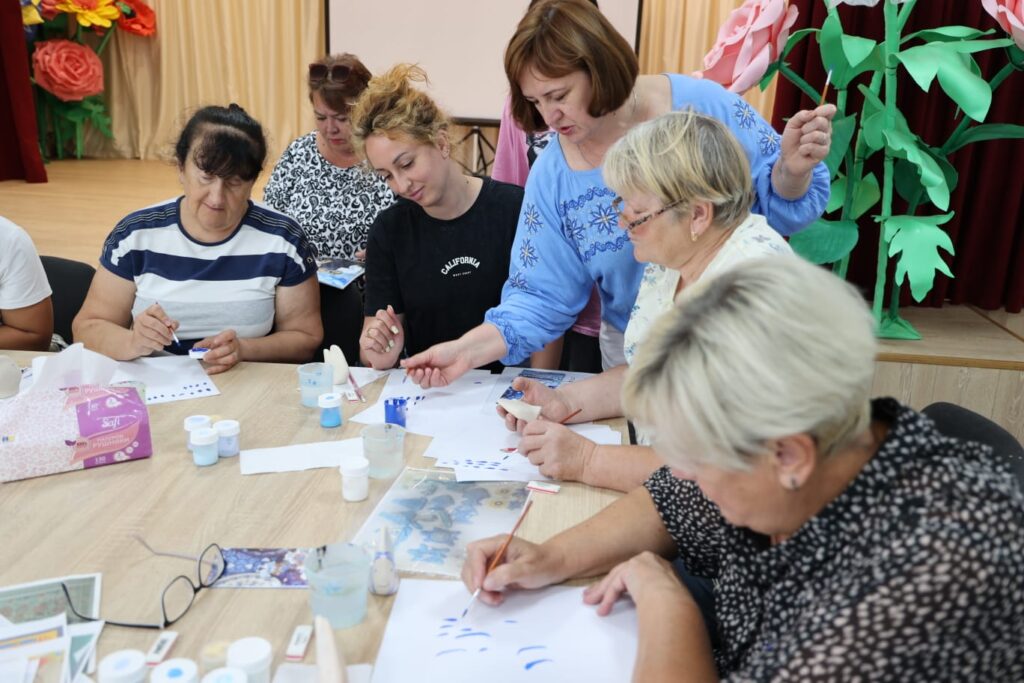
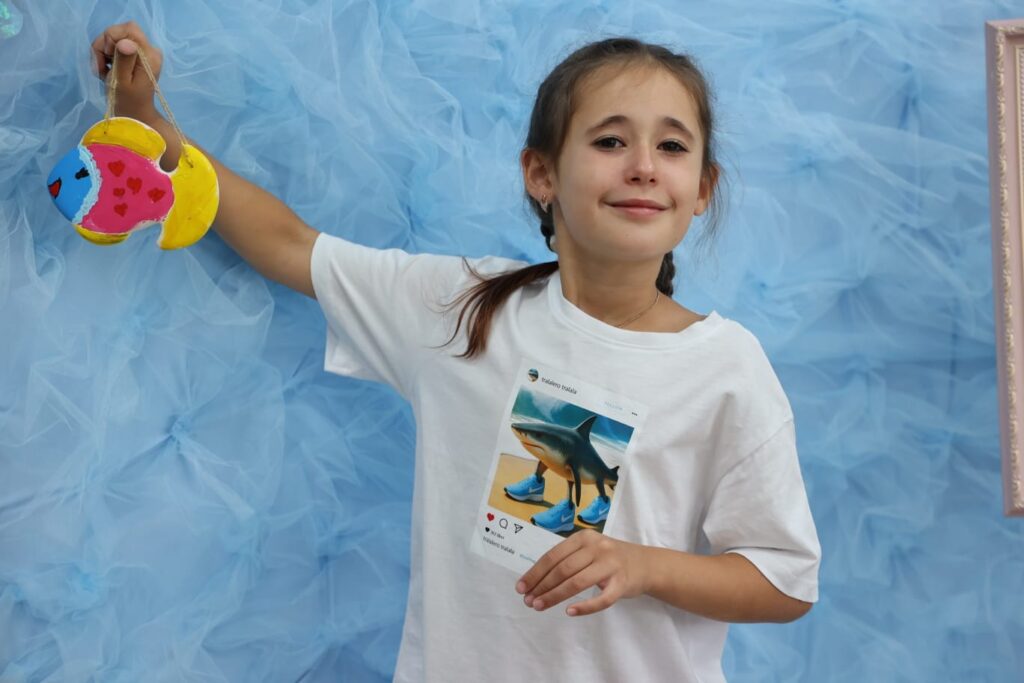
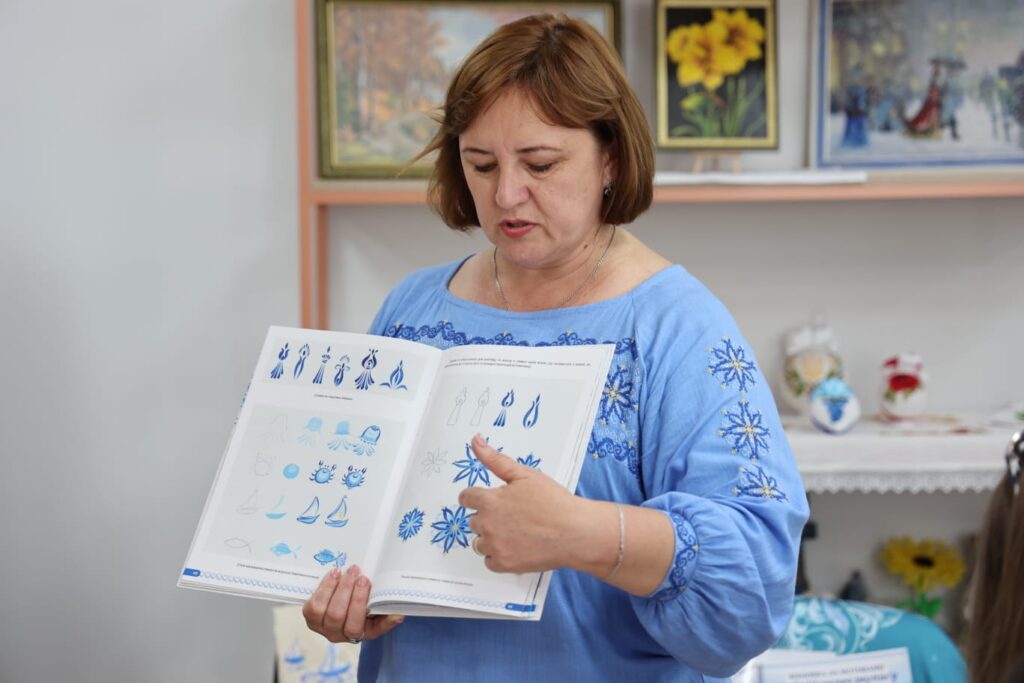
The cultural and artistic community space was opened on 19 August. Workshops on Taurian painting, Pilates and drawing were held for visitors. The friendly atmosphere of the opening was complemented by music and dance performances. Local craftswomen also organised an exhibition of embroidered works.
This marks a new chapter in the life of our hromada. Here, everyone will be able to find their place, feel supported, develop their talents and realise that together we can achieve more.
Anna Salnyk, Project Manager at the “Pivden” Centre for Adult Learning and Education
About the Cultural and Artistic Community-Building Space
At the start of the full-scale invasion, the Halytsynivska hromada was in the combat zone and suffered significantly as a result of Russian shelling. Some residents fled their homes: the population fell from 9,000 to 6,000.
Today, it is a frontline hromada where there is a need both to rebuild infrastructure and to strengthen social ties. The project team sought to support these processes by focusing on preserving cultural heritage and developing creative initiatives. This is how the idea arose to create a safe space where residents of the Halytsynivska hromada could socialise, learn and develop culturally.
Here, I learnt new techniques and found support and understanding. Space helps us to remain strong and united in difficult times.
Olga, wife of a serviceman, visitor to the community-building centre
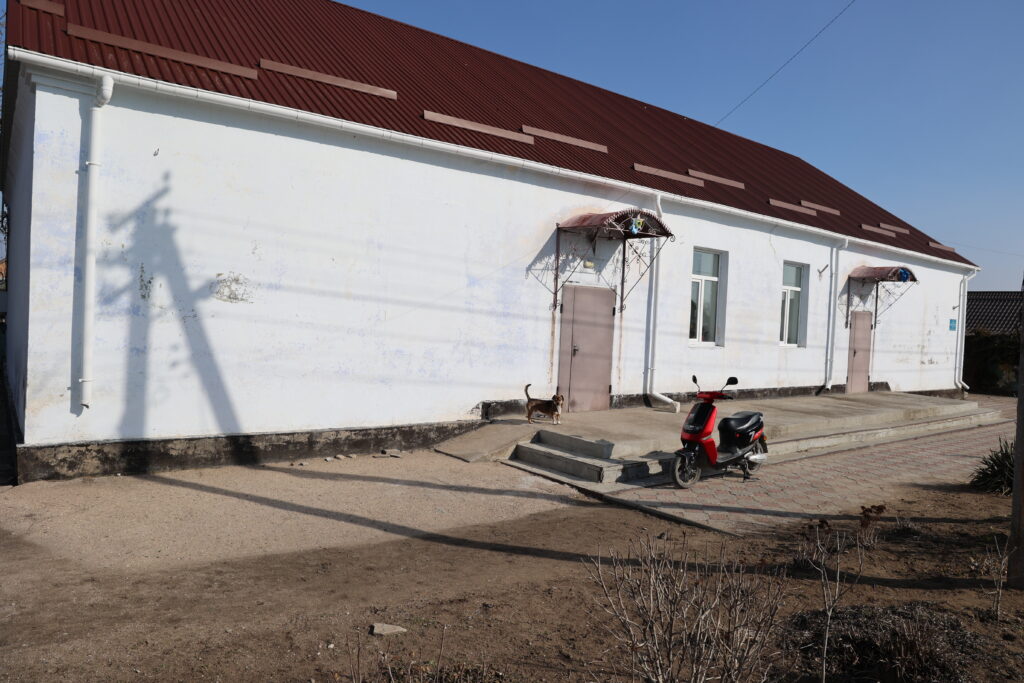
The community-building centre was set up in the Halytsyniv village club. As part of the project, the building was refurbished to meet accessibility requirements. In addition, furniture and equipment for events were purchased, and a space for Pilates and dance classes was set up.
This place has become a source of peace for me and an opportunity to connect with people who share my experiences. Here, I have gained new knowledge and positive emotions.
Olga, mother of a serviceman, visitor to the community-building centre
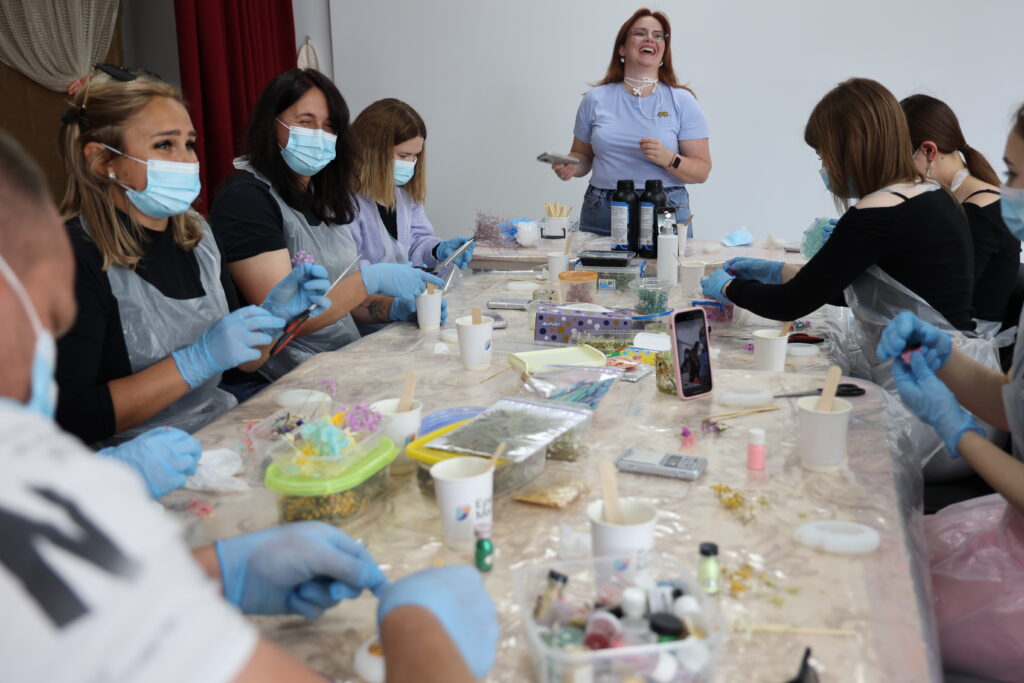
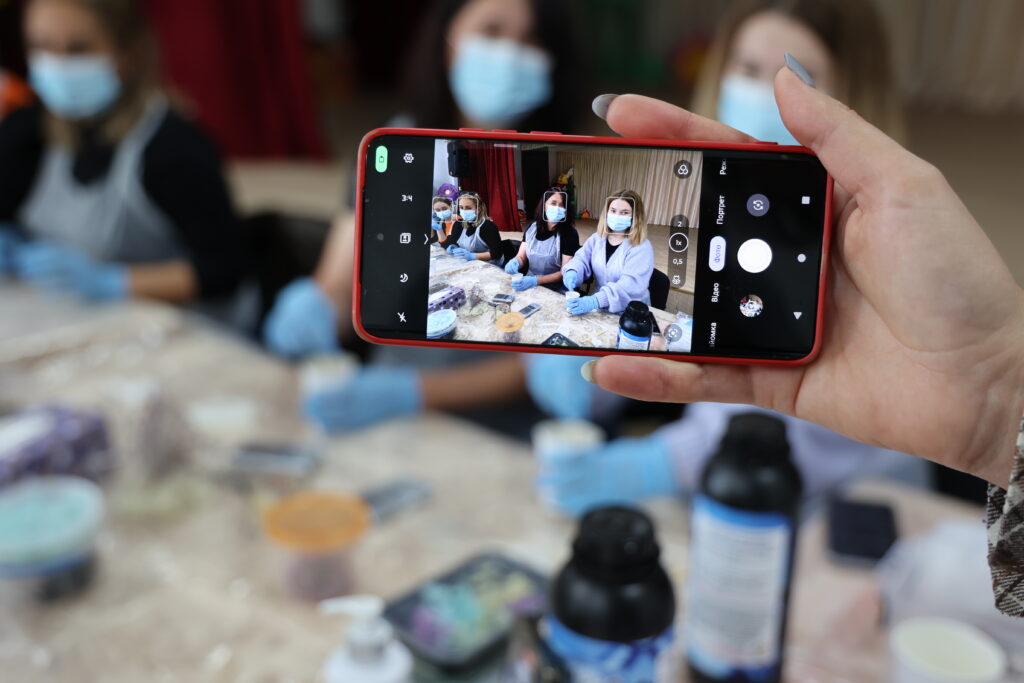
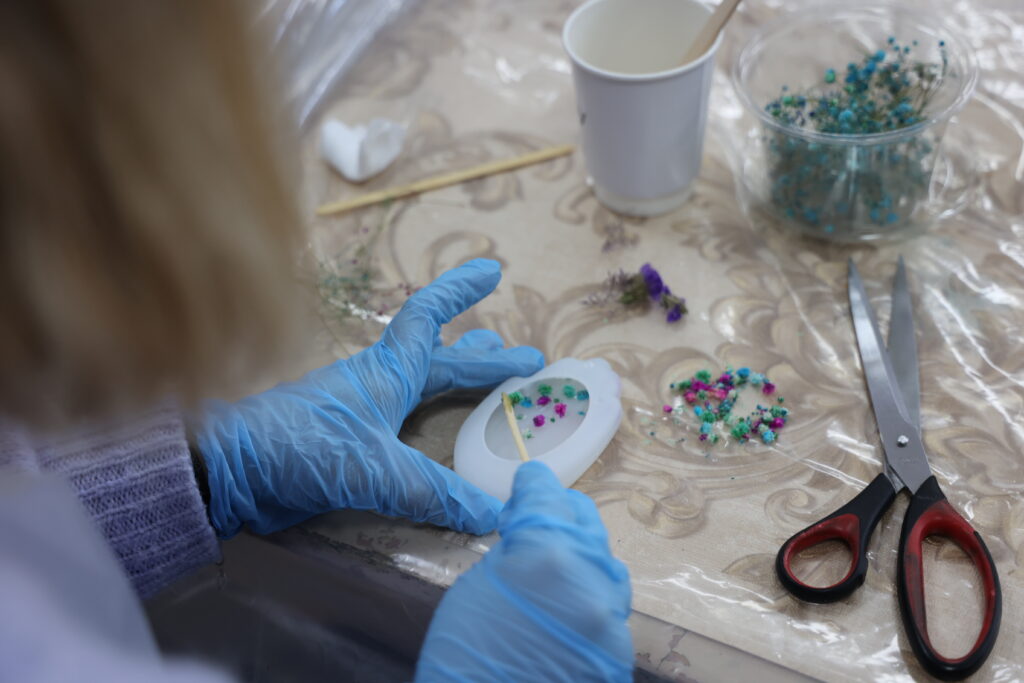
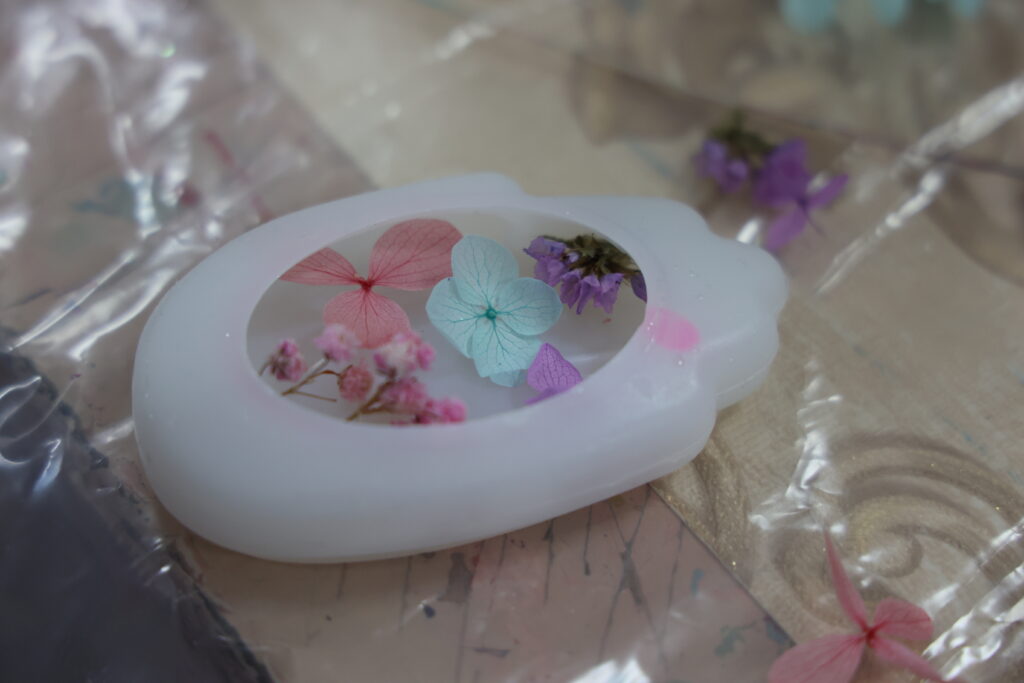
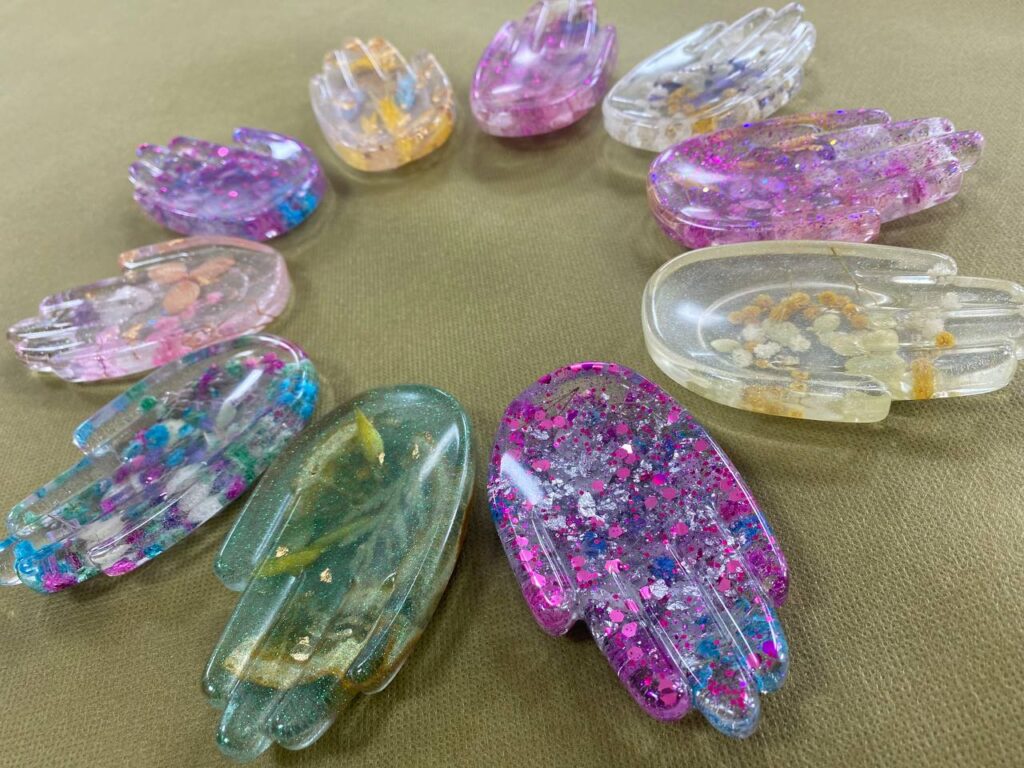
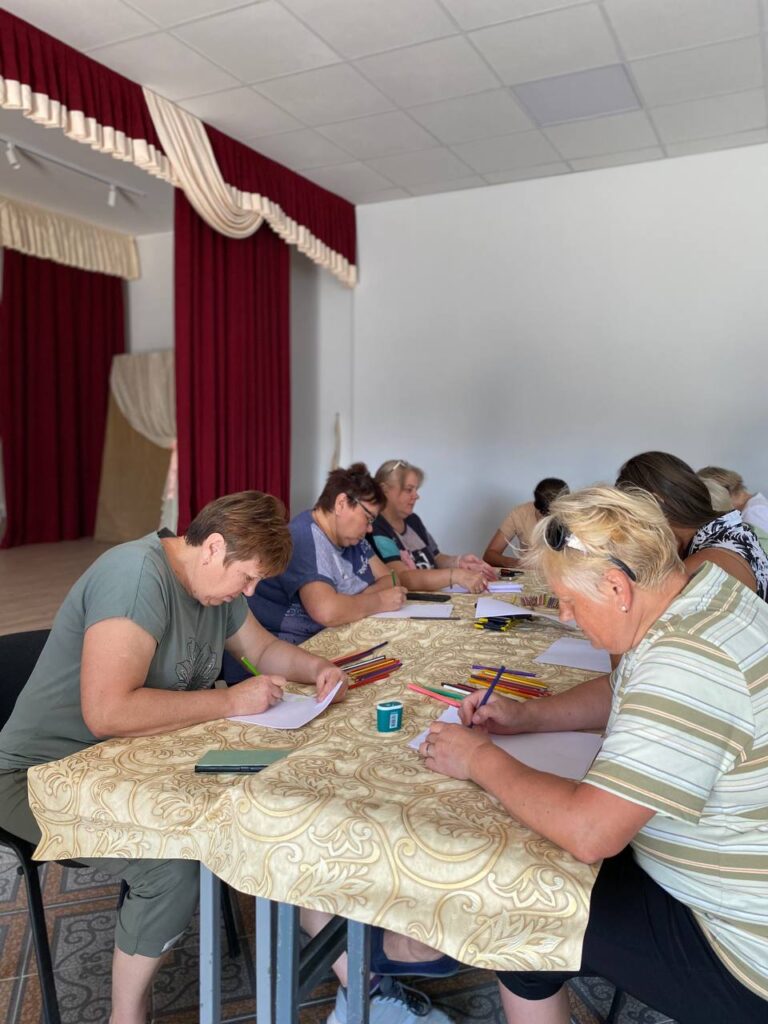
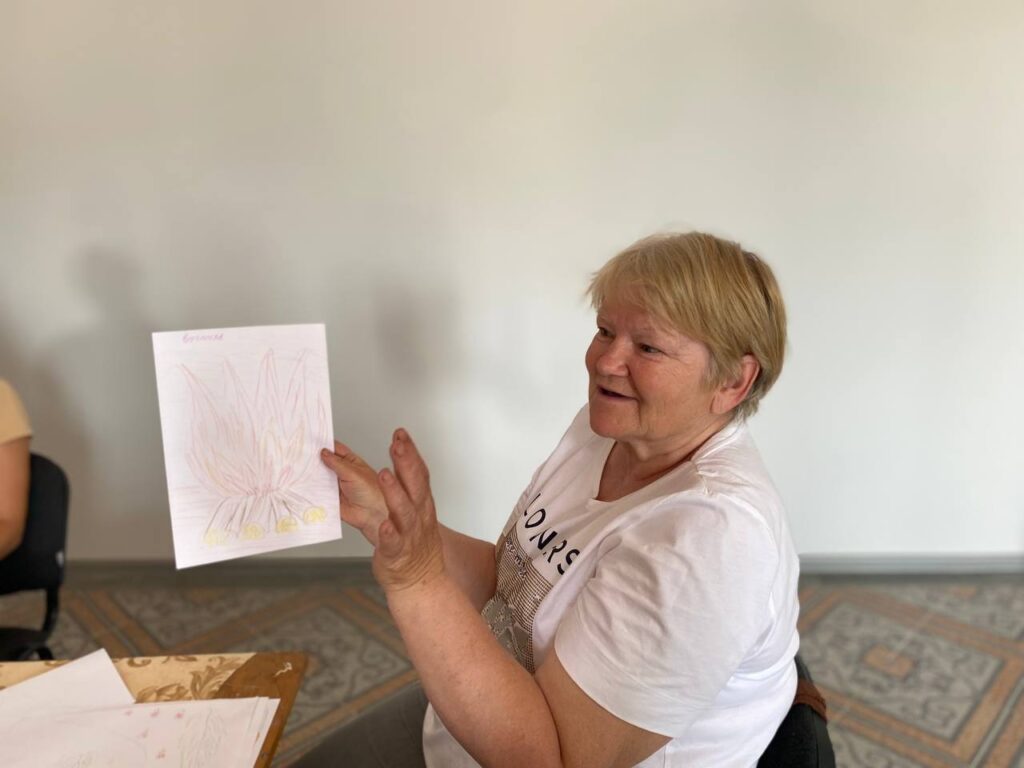
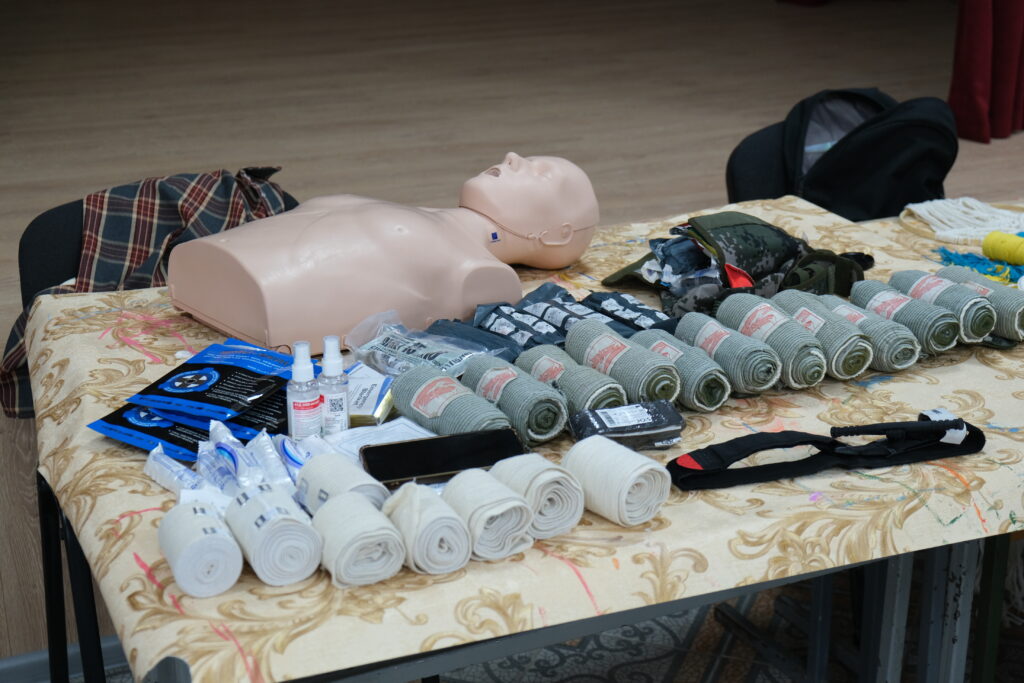
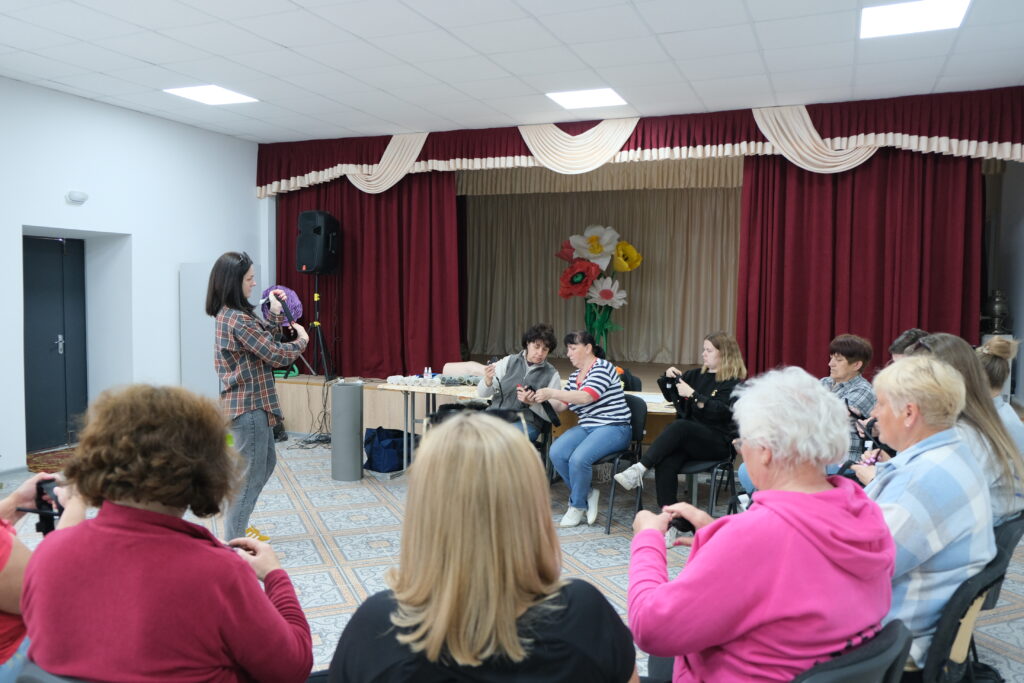
The space currently serves as an art studio, an educational centre for children and adults, and a venue for cultural events. It has also become a platform for hromada members to bring their ideas to life. Its activities are aimed at providing psychological and social support, helping people learn new skills, and working together to bring about change. These include, for example, art therapy, pilates classes and the “Magic of Epoxy Resin” workshop, which is set to be expanded into a full course.
The workshops allowed me to feel needed, to showcase my skills, to socialise and to make friends in a new environment.
Lyudmyla, an internally displaced person (IDP) and visitor to the community-building centre
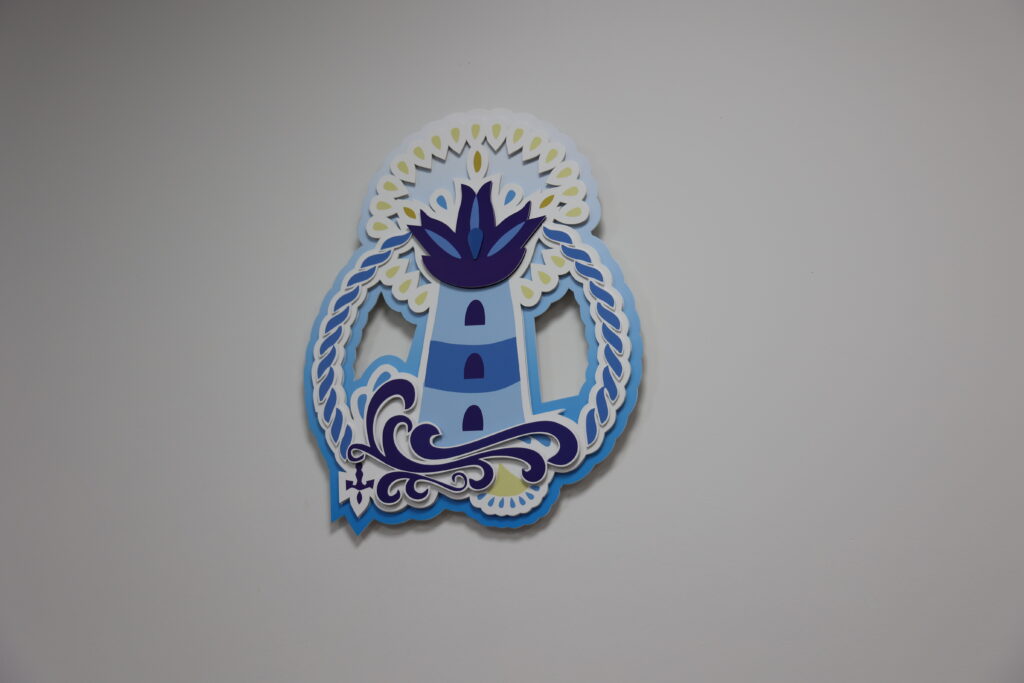
A lighthouse, designed in the style of Taurian mural painting, was chosen as the space’s logo. It symbolises light, a guiding beacon and hope. It also reflects a connection to the local area, as there are four lighthouses in the hromada.
According to the project team, the community-building centre brings together people with different experiences and demonstrates that change is possible through the hromada’s own efforts.
Support Cedos
During the war in Ukraine, we collect and analyse data on its impact on Ukrainian society, especially housing, education, social protection, and migration

 Support


