






The project was implemented by the non-governmental organisation “Nova Druzhkivka”. The spatial mentor was Ivan Protasov, an architect at the Prototyp bureau. The programme mentor was Kateryna Rusetska, a curator, cultural manager and co-founder of the DCCC Centre for Visual Culture, in collaboration with Andrii Palash.
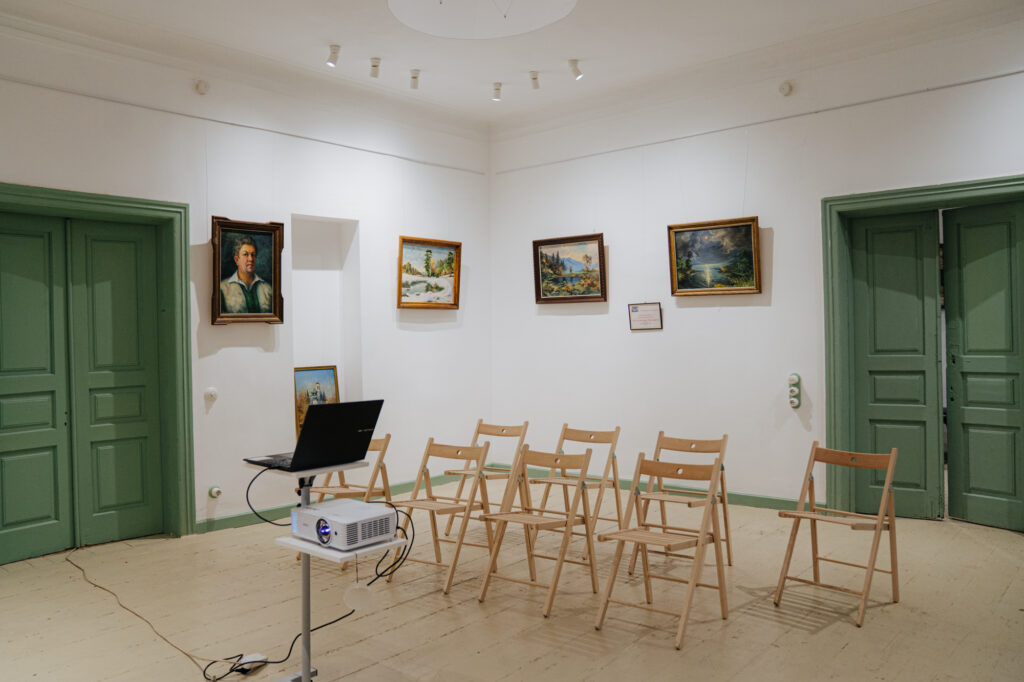
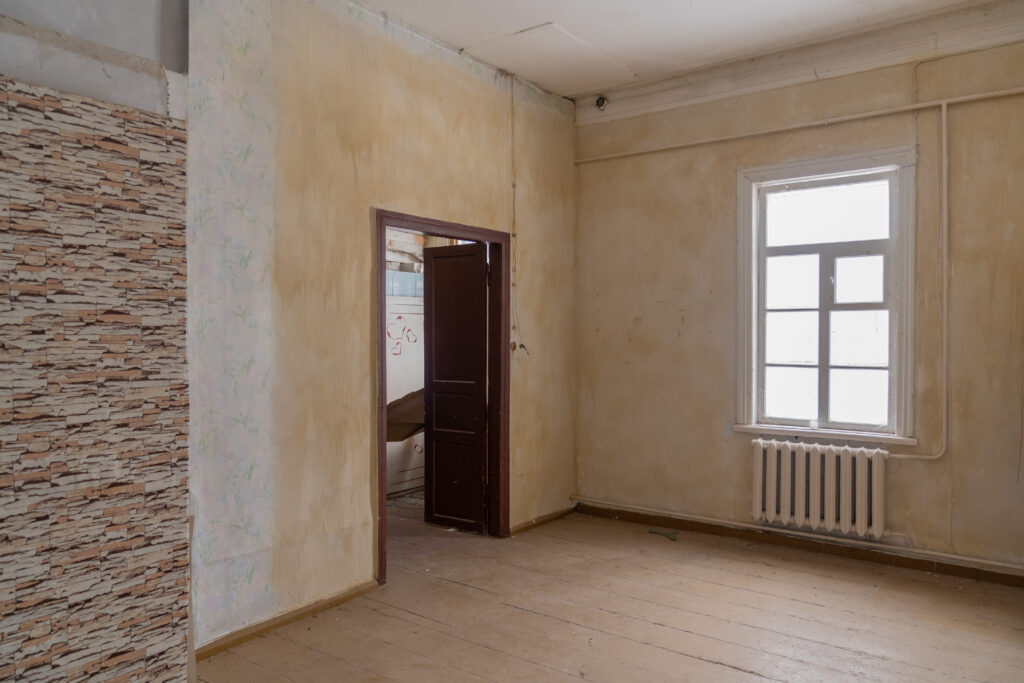
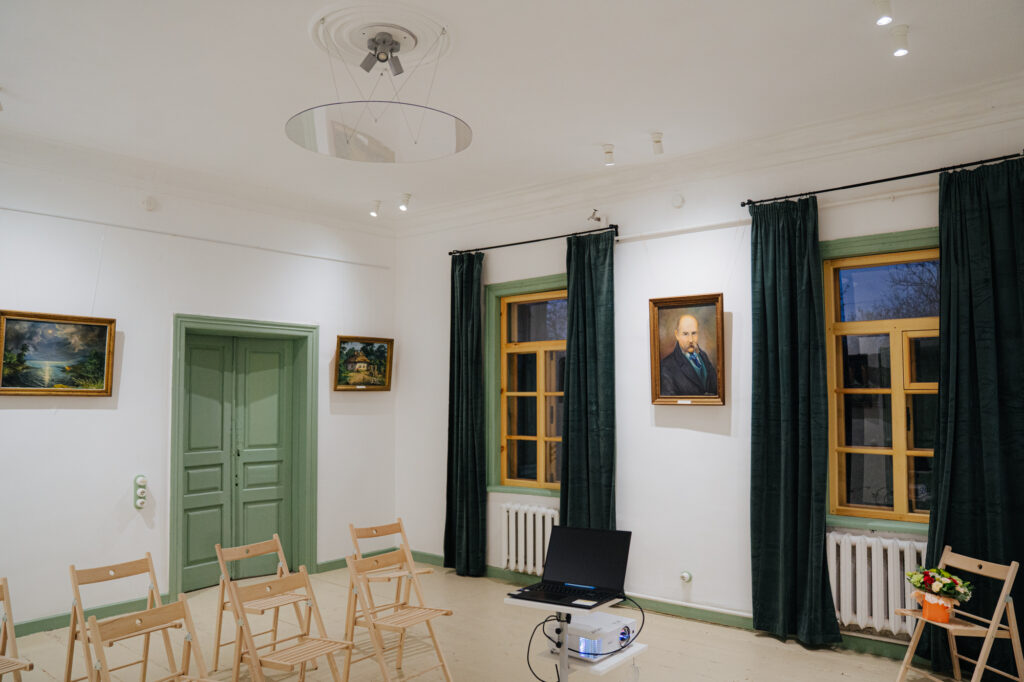
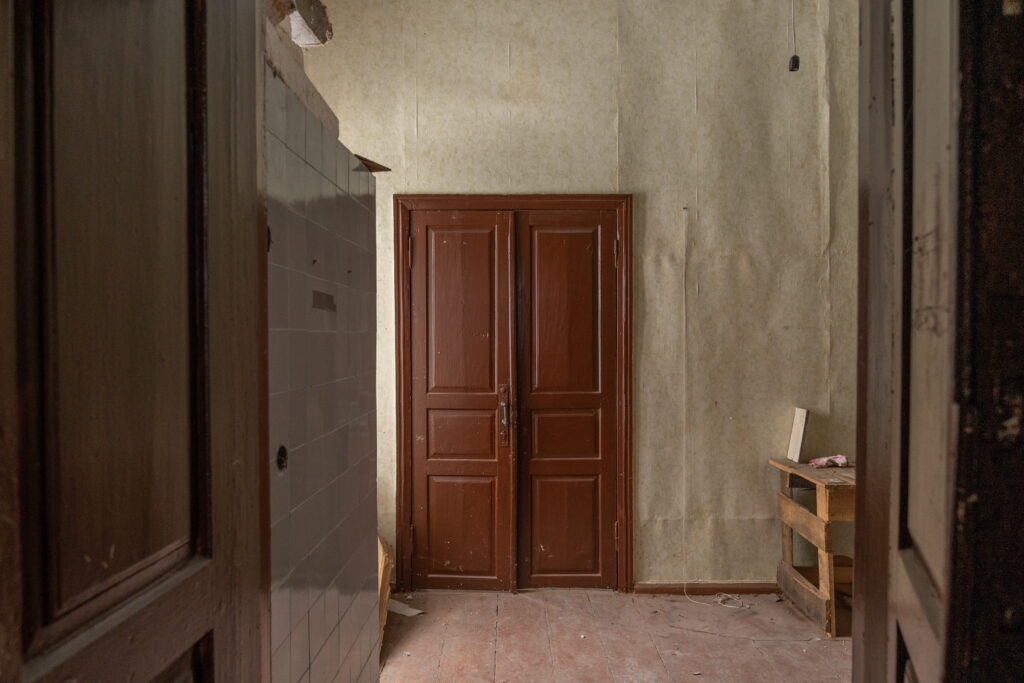
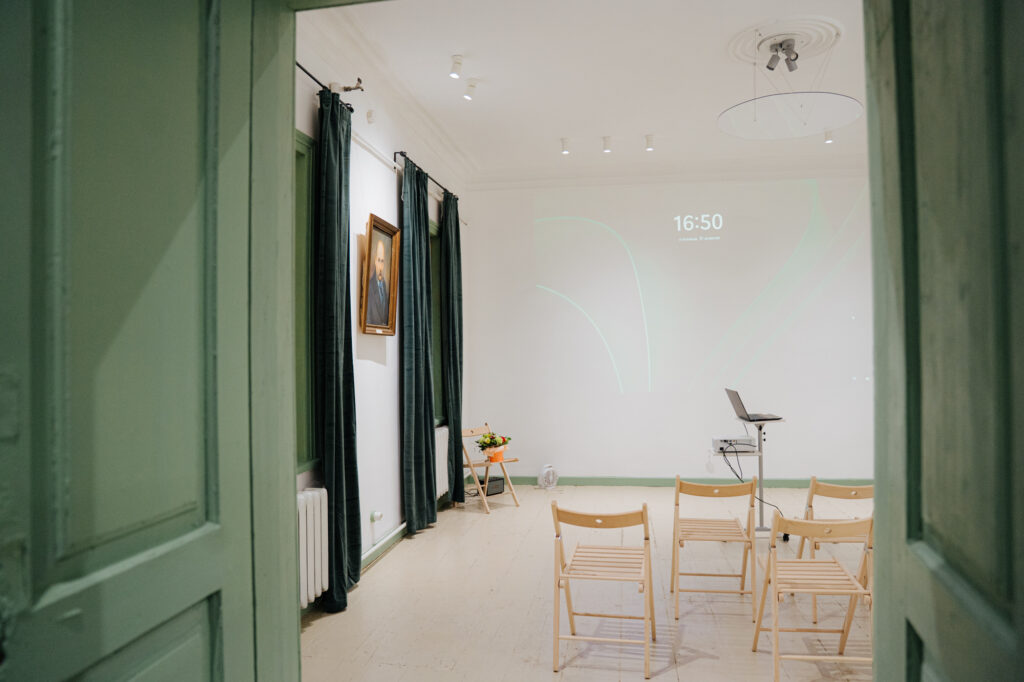
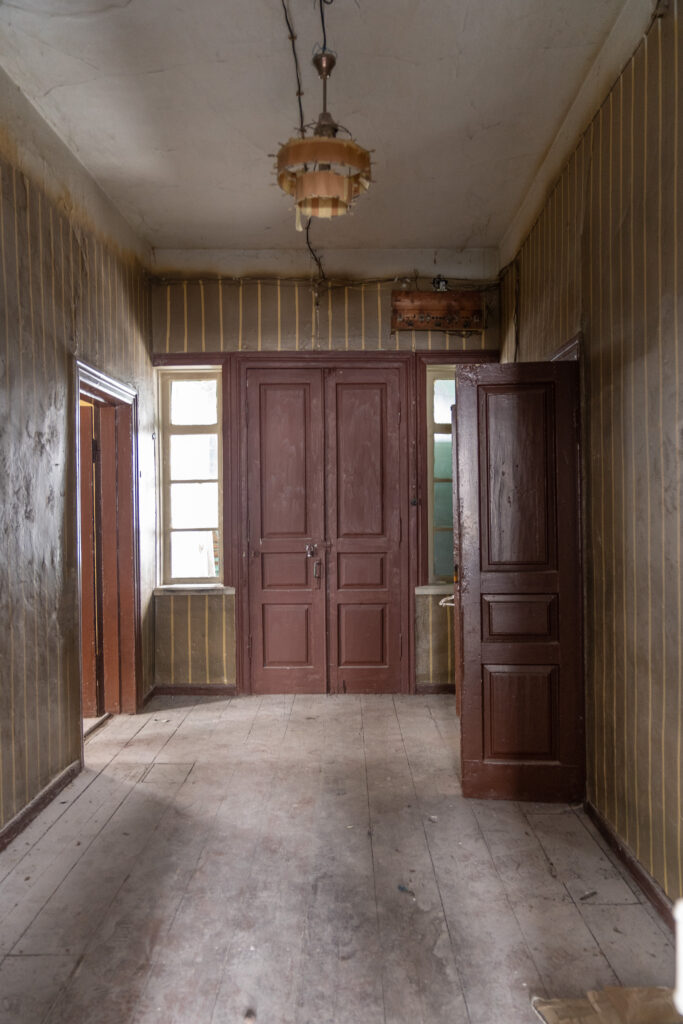
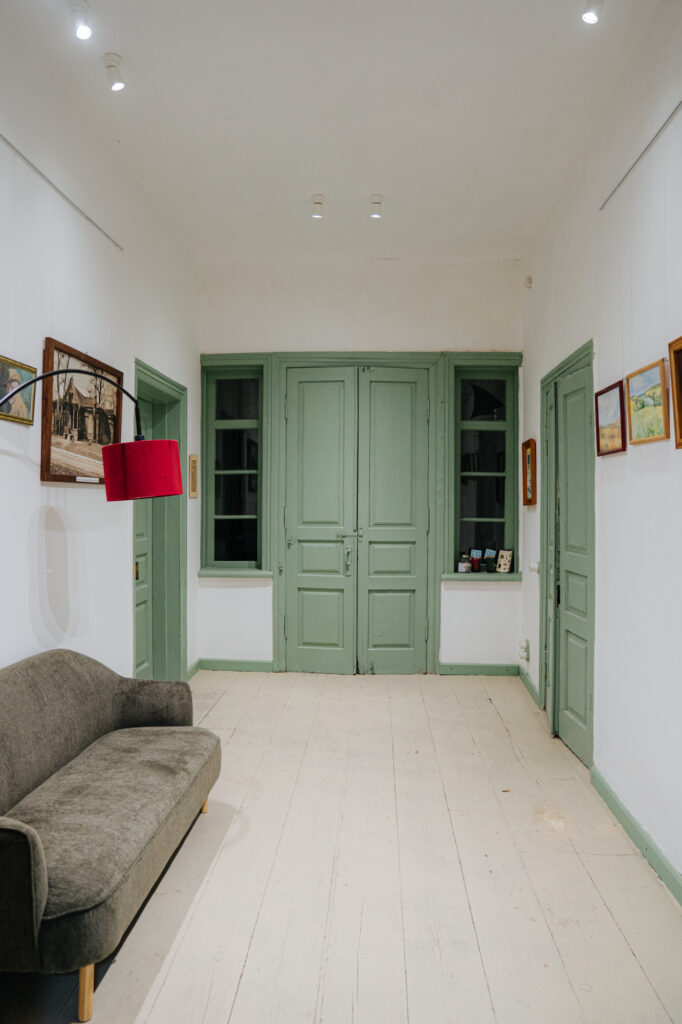
The space was created as part of Community reBuilding — a project to develop community-building centres by Cedos and UMAEF.
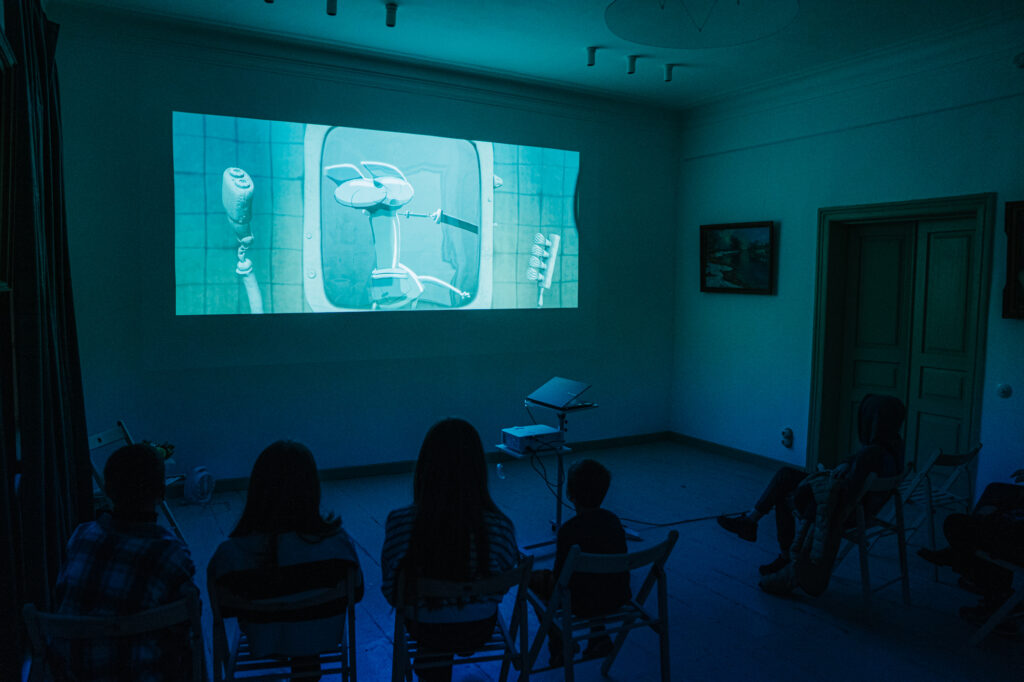
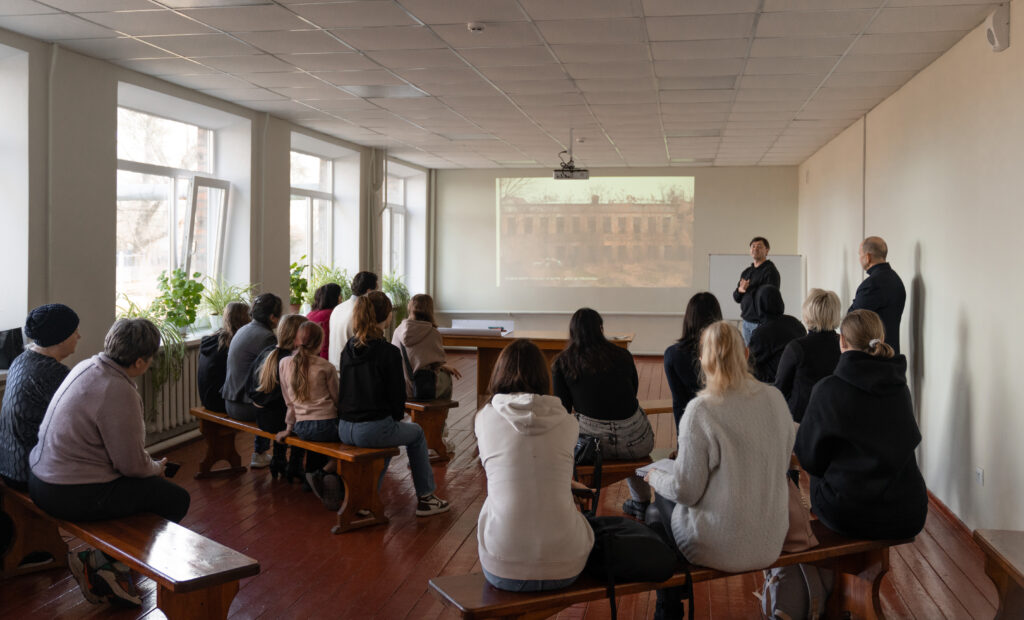
On 31 October, at the opening of the “Gorodetsky” centre, the project team introduced visitors to the new space and shared their future plans for its development. The programme featured a variety of activities — an ethnographic conference, creative workshops on bubble painting and doll-making, music and dance performances, and a screening of short films. There was also an exhibition by local artist Volodymyr Prozhoga.
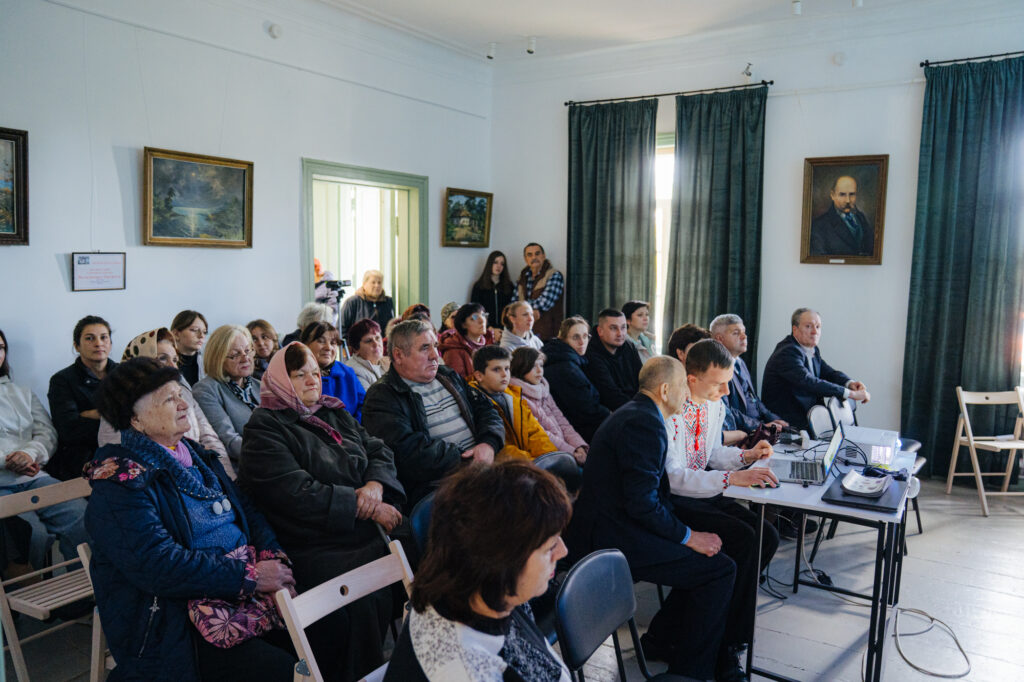
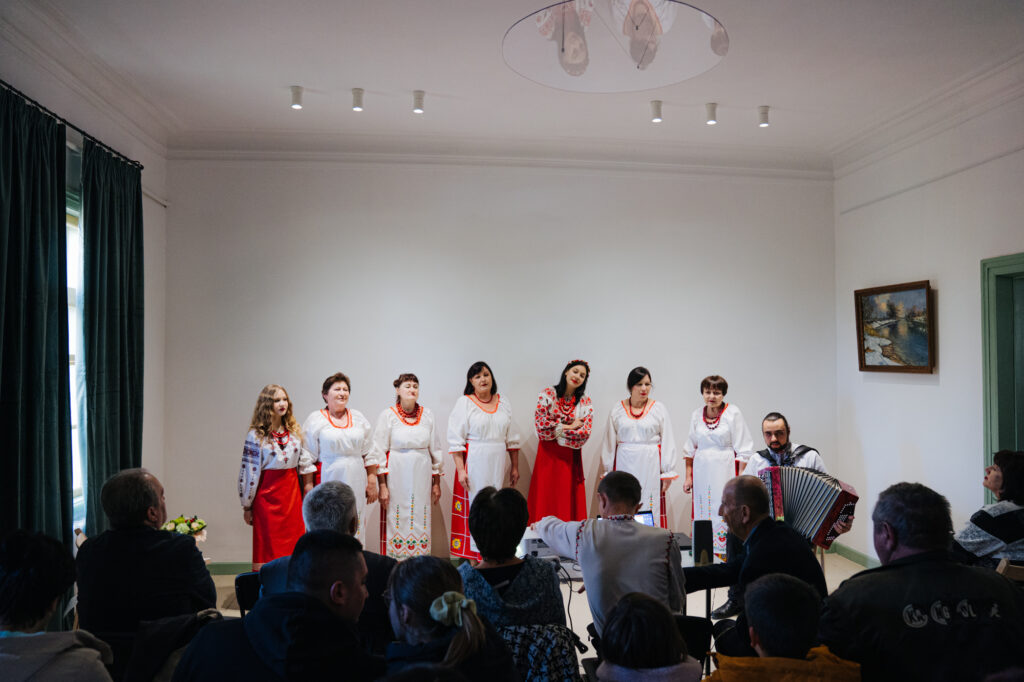
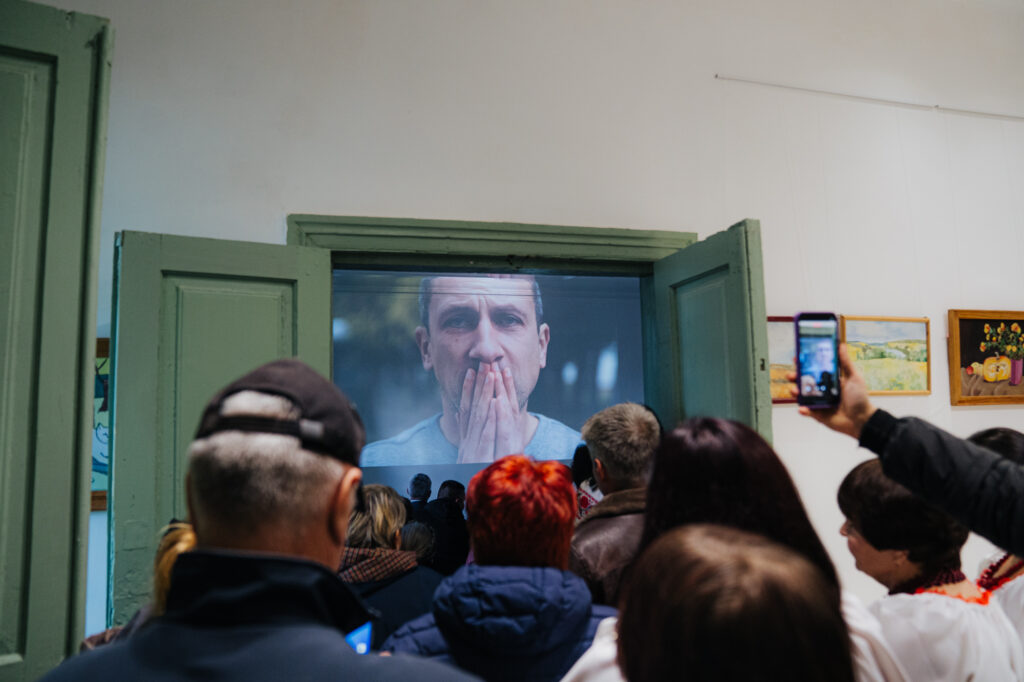
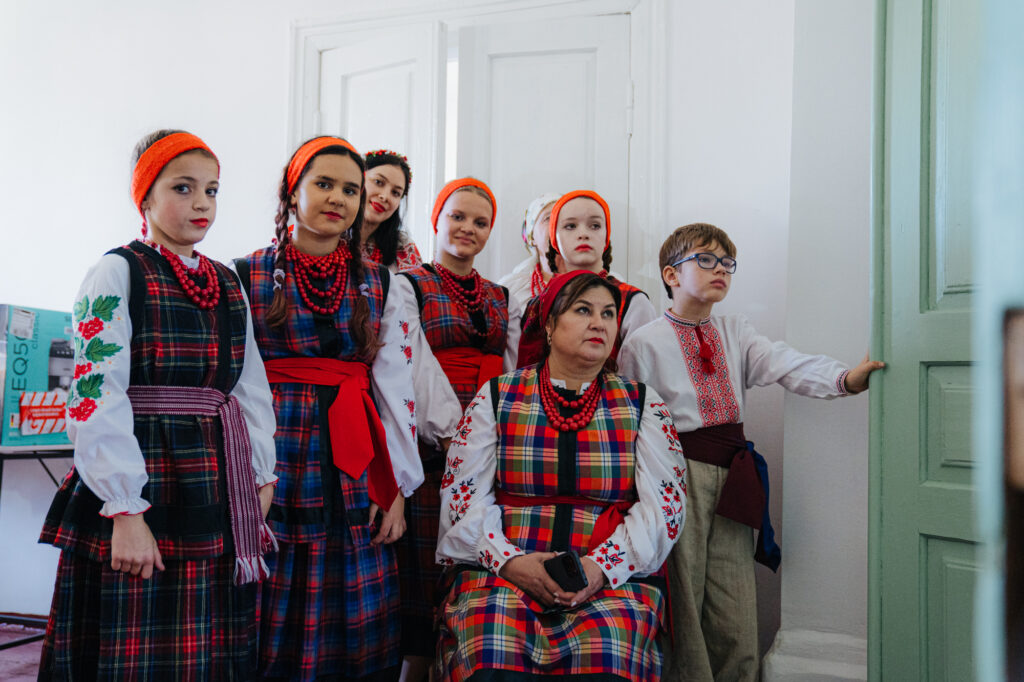
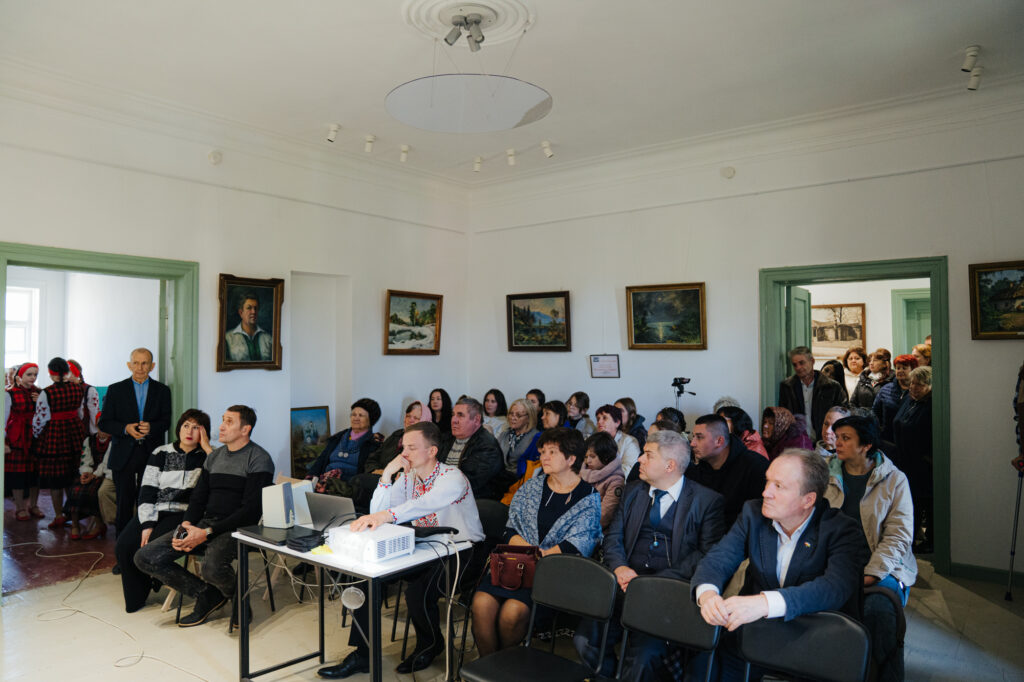
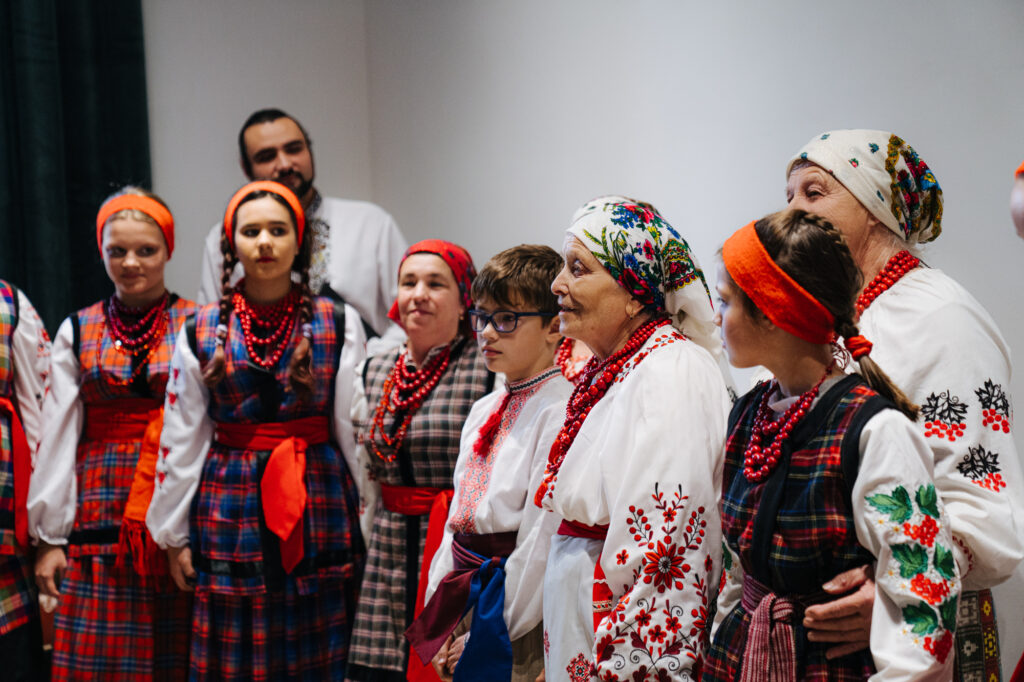
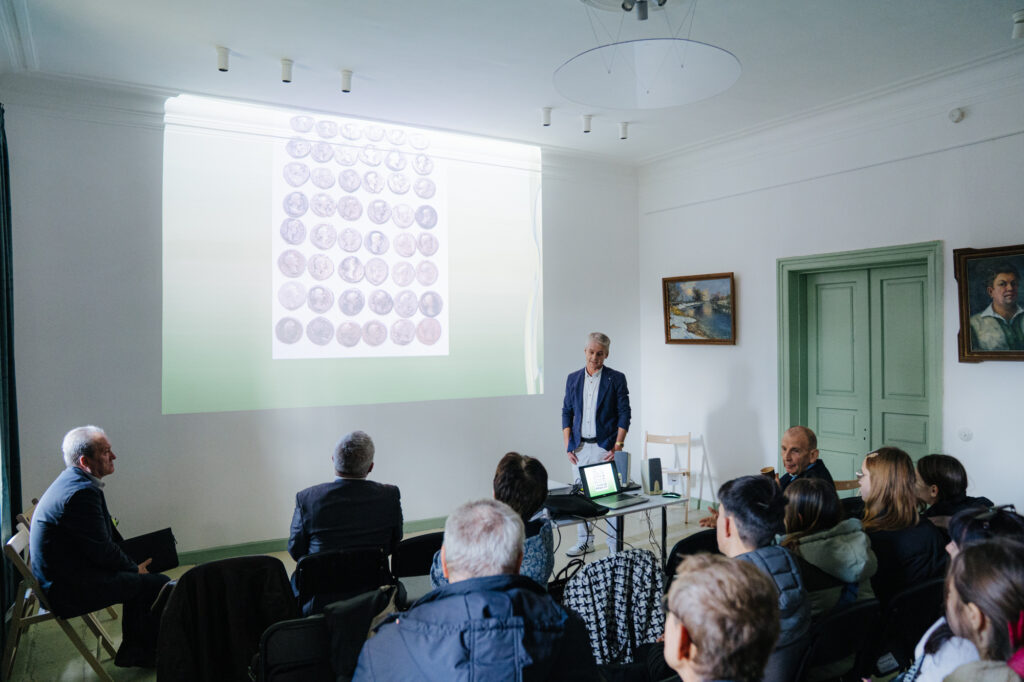
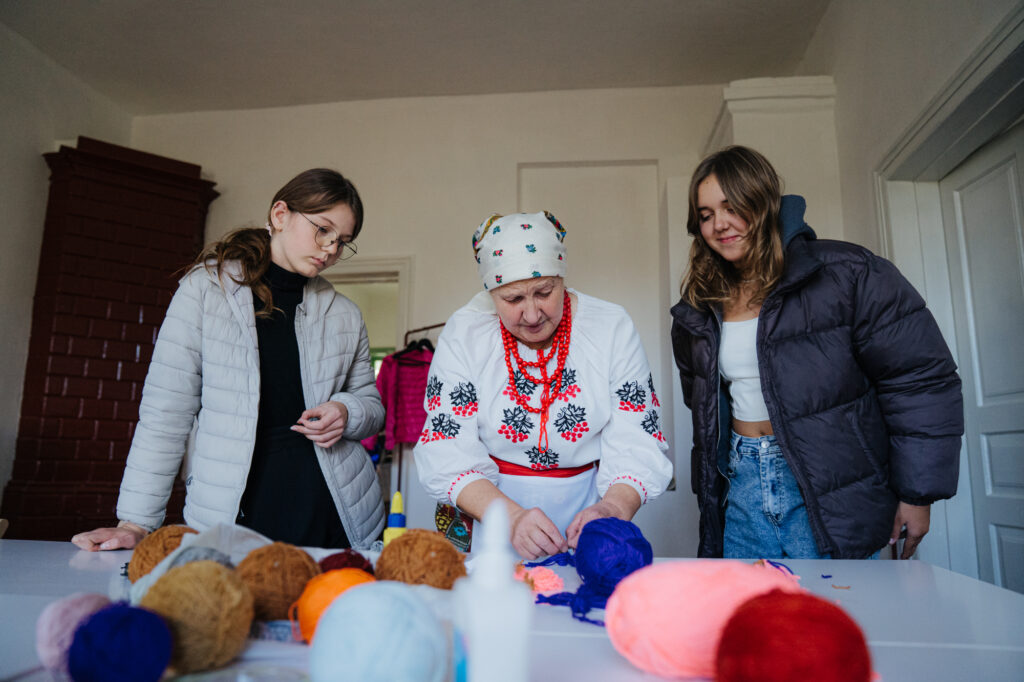
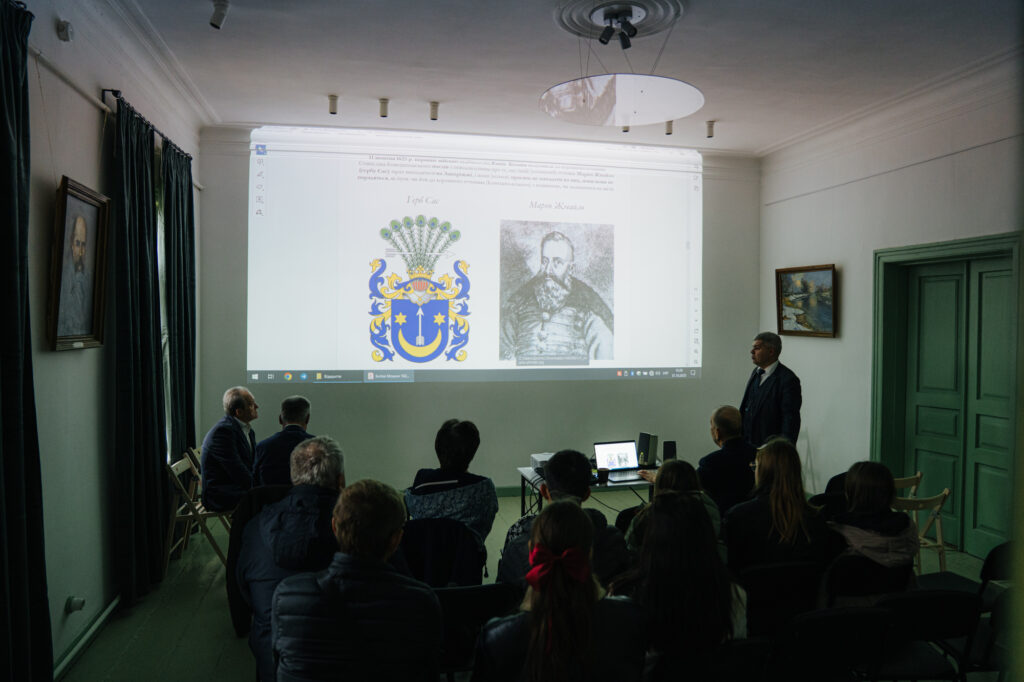
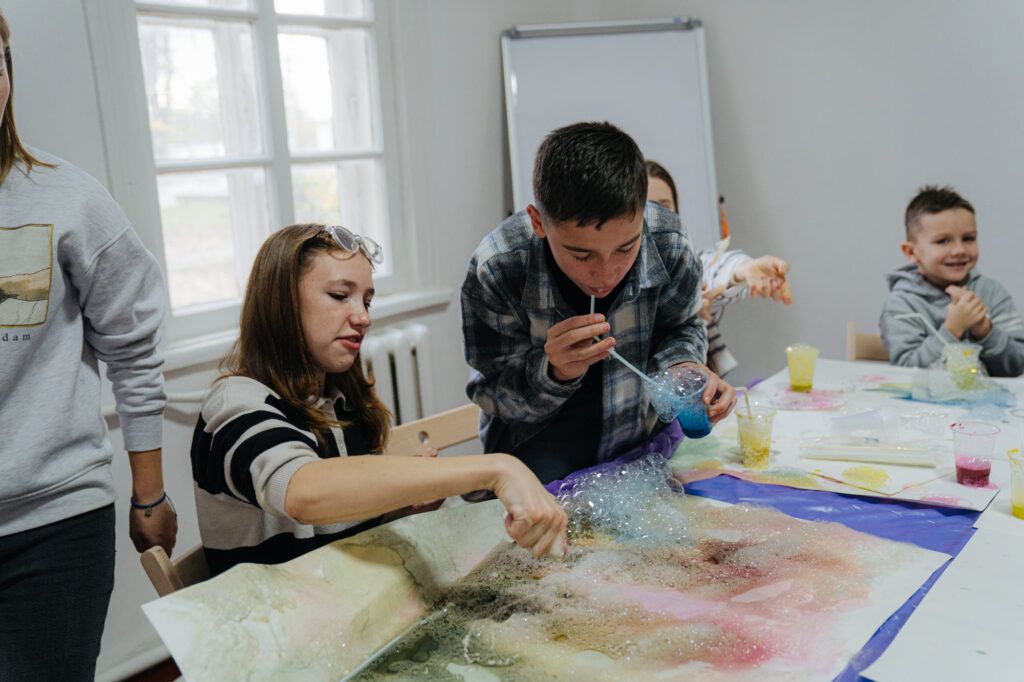
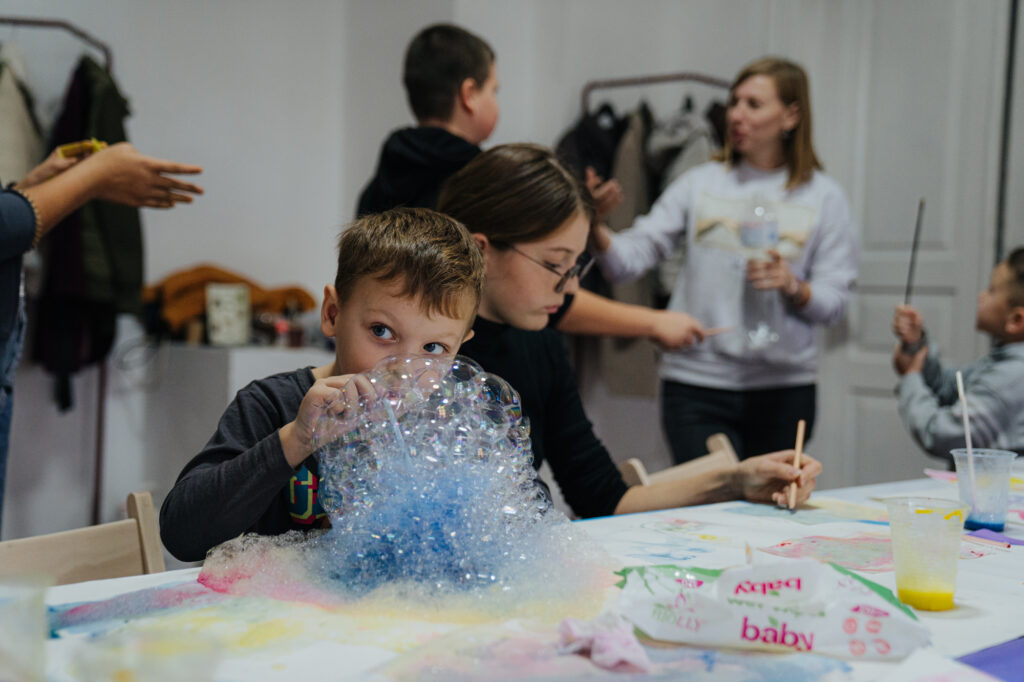
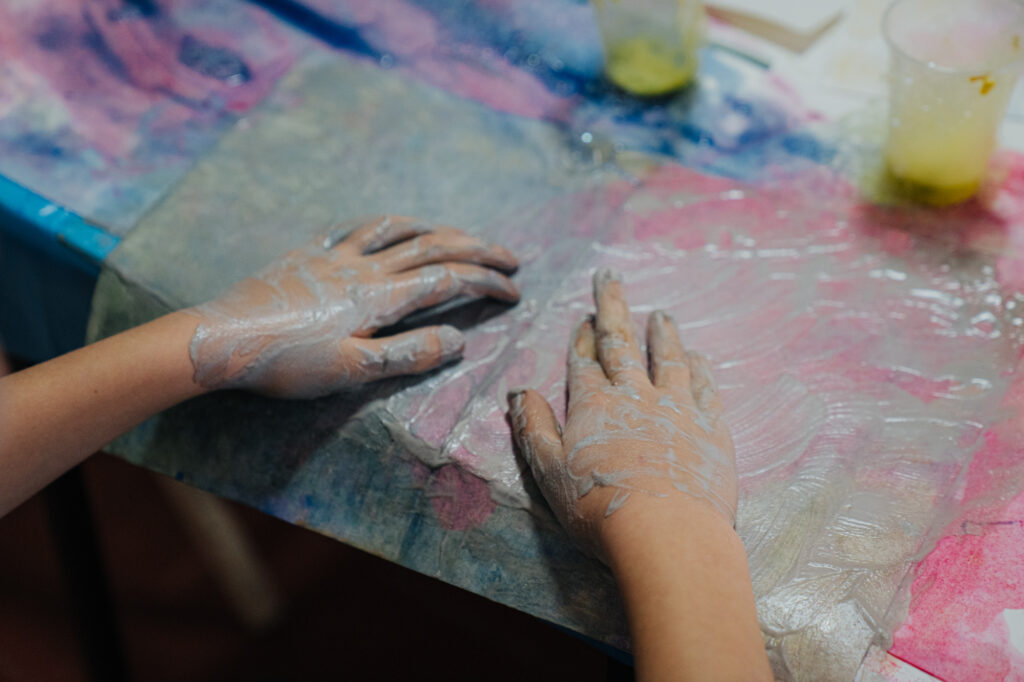
We can now see just how great the demand for such spaces is amongst local residents. This confirms that we have chosen the right path in reimagining the purpose of this building and its functions. I am genuinely delighted to see the centre filling up with communities eager to hold their events here. This proves its necessity. And I very much hope that it will become not only a meeting place for existing initiatives, but also a space where new communities are born.
Anna Pavlenko, project manager at the NGO “Nova Druzhkivka”
About the “Horodetsky” Cultural and Arts Centre
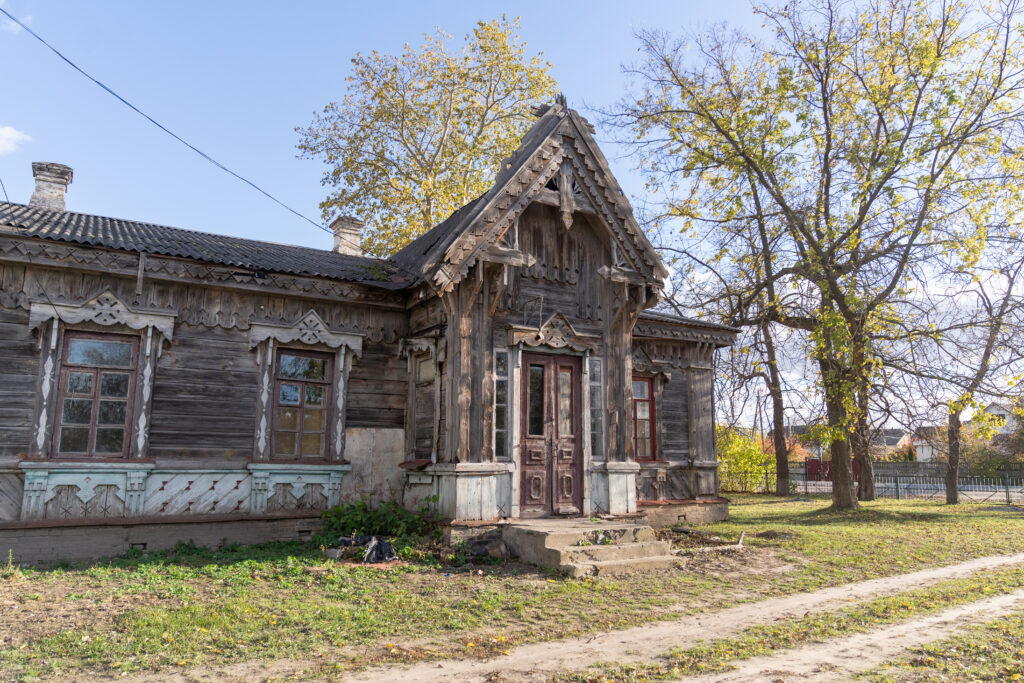
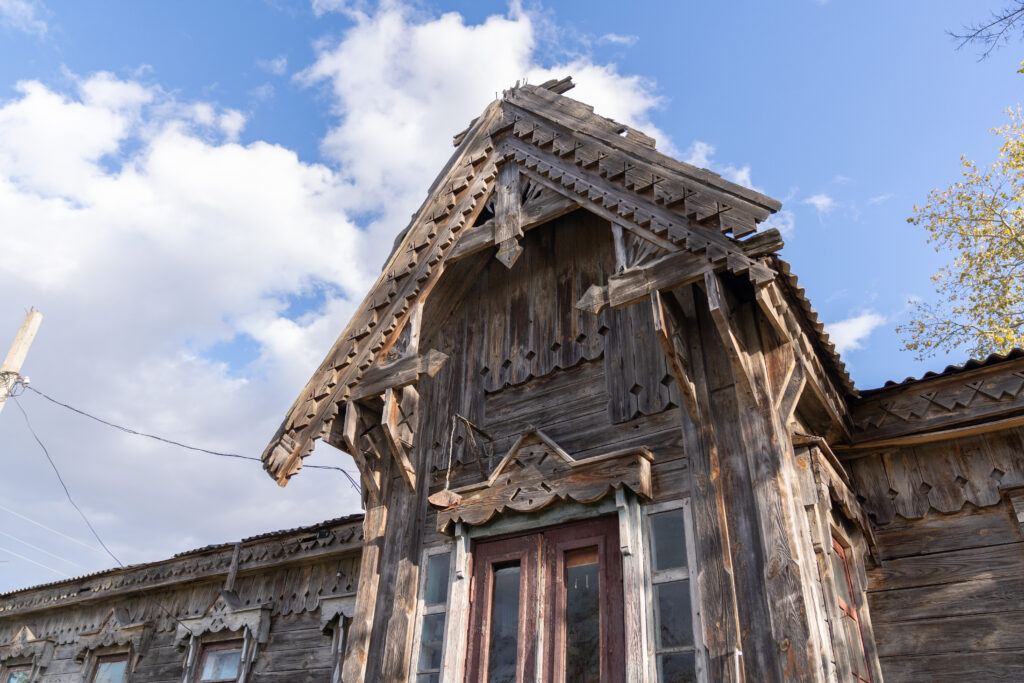
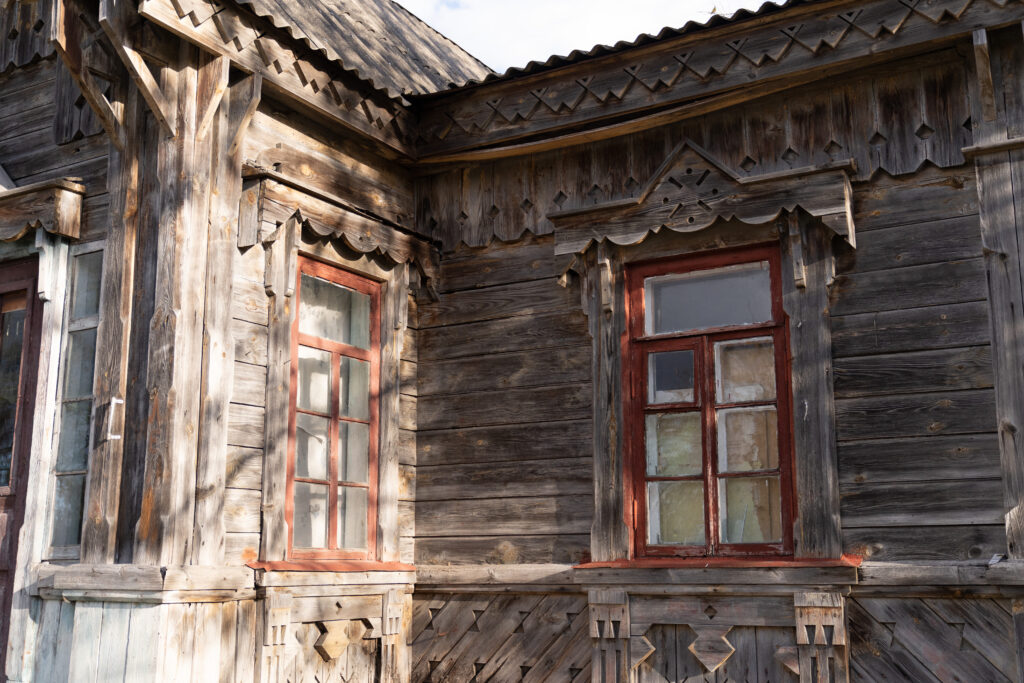
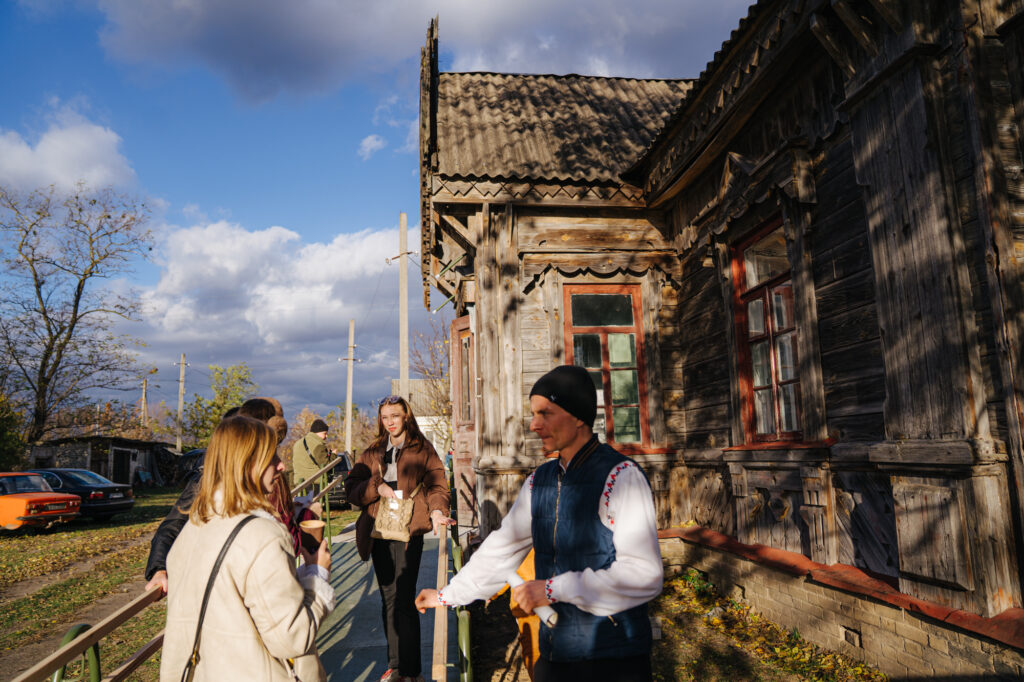
The Doctor’s House in Moshny is the only surviving wooden building designed by architect Vladislav Horodetsky in Ukraine. It is over 130 years old.
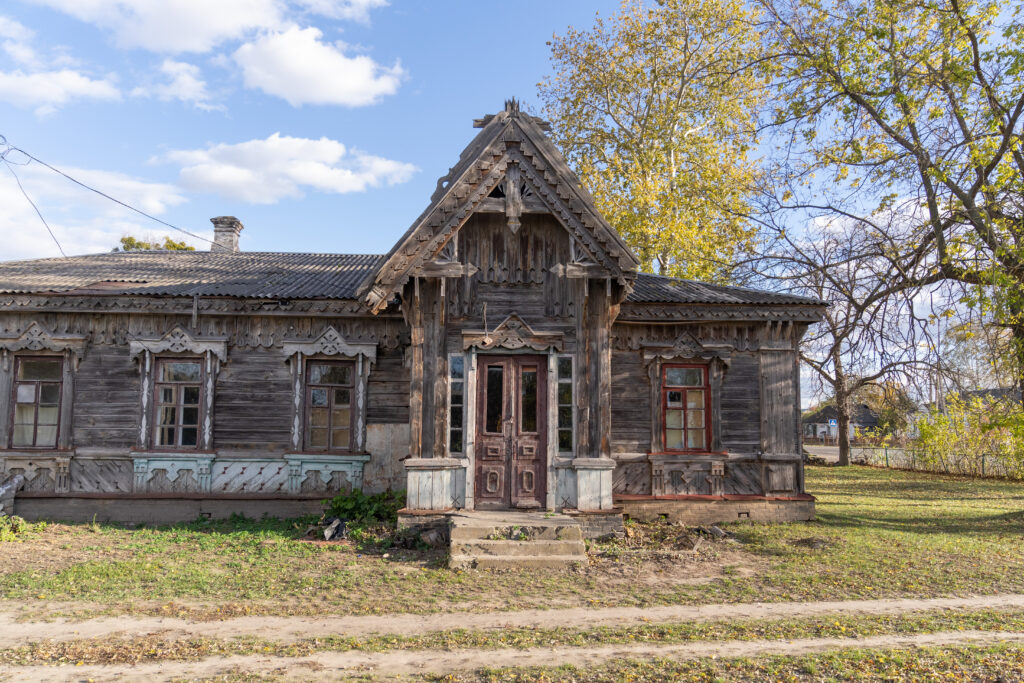
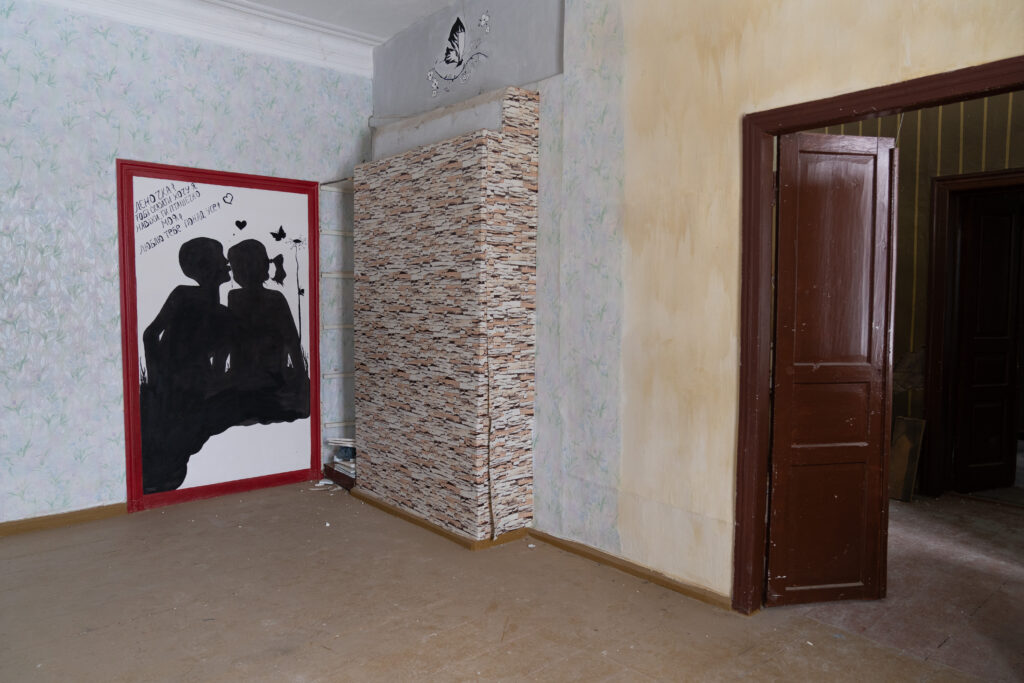
The first step towards restoring the building was the establishment of the “Horodetsky” Centre. As part of the project, the veranda and two rooms were renovated, an accessible toilet was fitted out, and a ramp was installed at the entrance. Going forward, the hromada aims to refurbish two rooms for the Gorodetsky Museum, restore the façades, and set up a library and a café.
For the community-building centre, we chose a building that is part of our architectural heritage, a repository of a magnificent history and a powerful energy. Yet, despite its uniqueness, it had gradually fallen into disrepair over the years. This project has literally breathed new life into the building and, I am convinced, has provided a powerful impetus for its further renovation.
Anna Pavlenko, project manager at the NGO “Nova Druzhkivka”
The mission of the “Gorodetsky” Centre is to preserve cultural heritage, bring the hromada together and inspire people to shape the future. This is reflected in particular in the planned events: film screenings and literary evenings, community gatherings, exhibitions, creative workshops, and workshops on digital and media literacy. It is here that local initiatives have found an informal space for meetings and public events.
The hromada is open to initiatives and aware of the value of its village’s historical monuments. I am delighted that we have succeeded in transforming the space, embodying the principles of minimal intervention and flexibility. As a result, the building’s interior does not clash with its valuable exterior or the few elements within.
Ivan Protasov, the centre’s spatial mentor and architect at Prototyp.
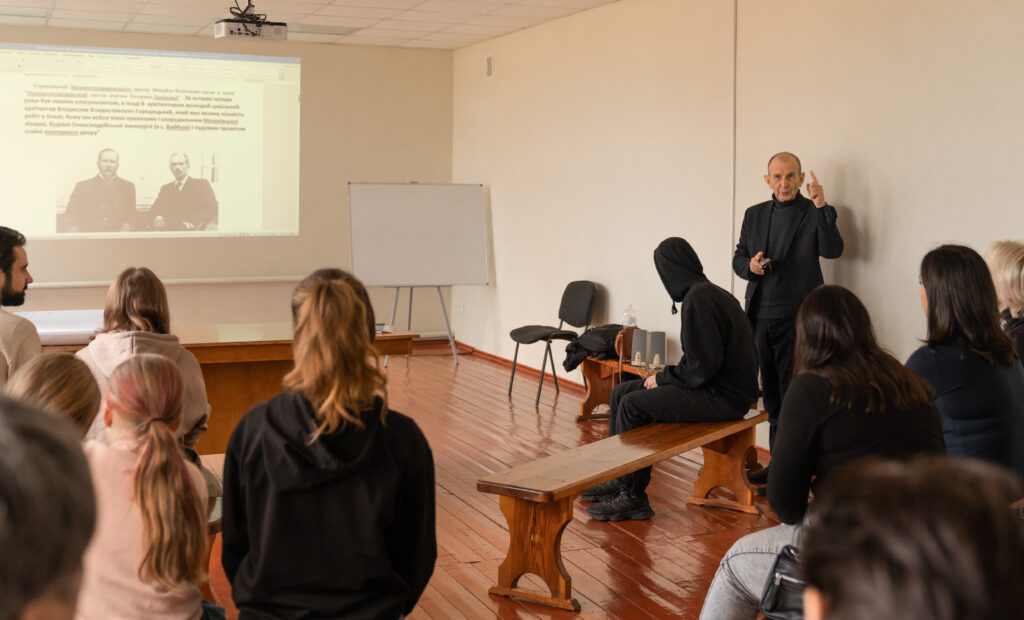
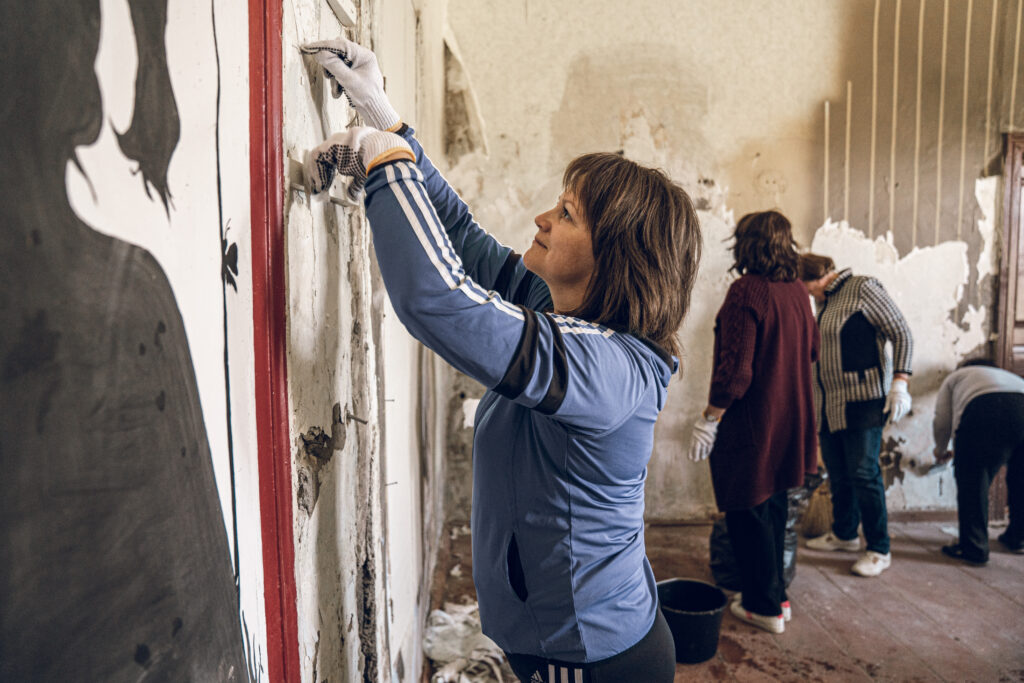
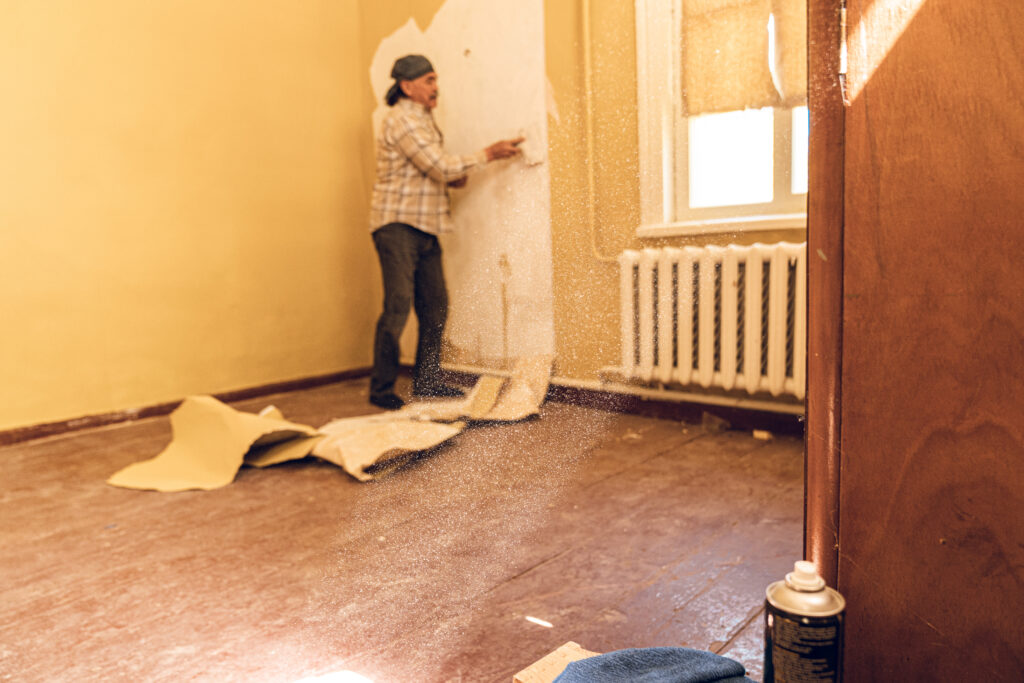
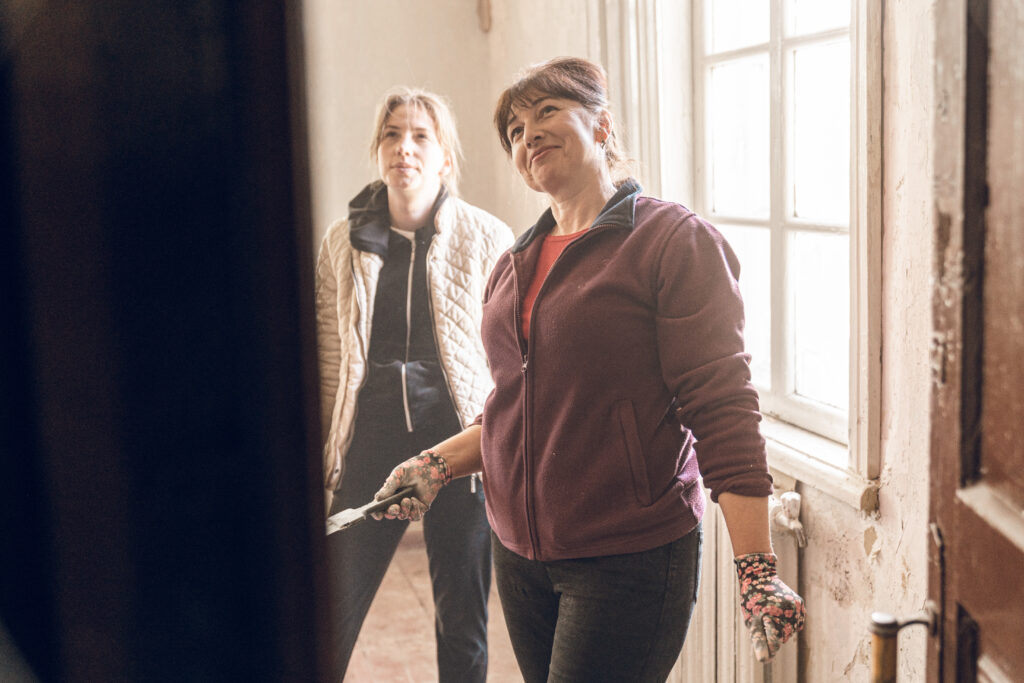
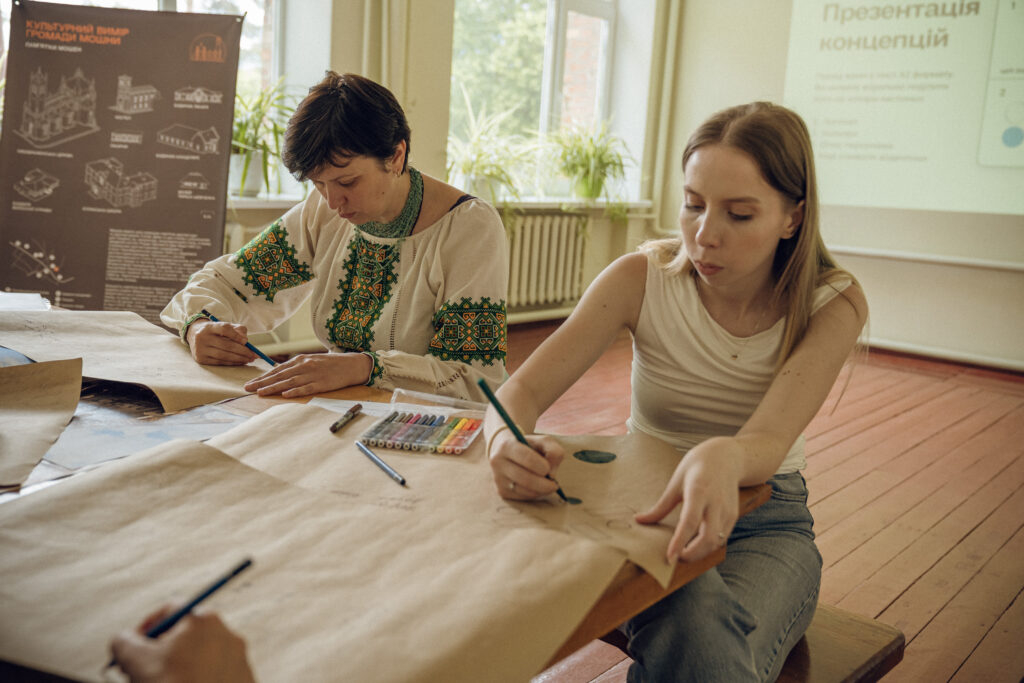
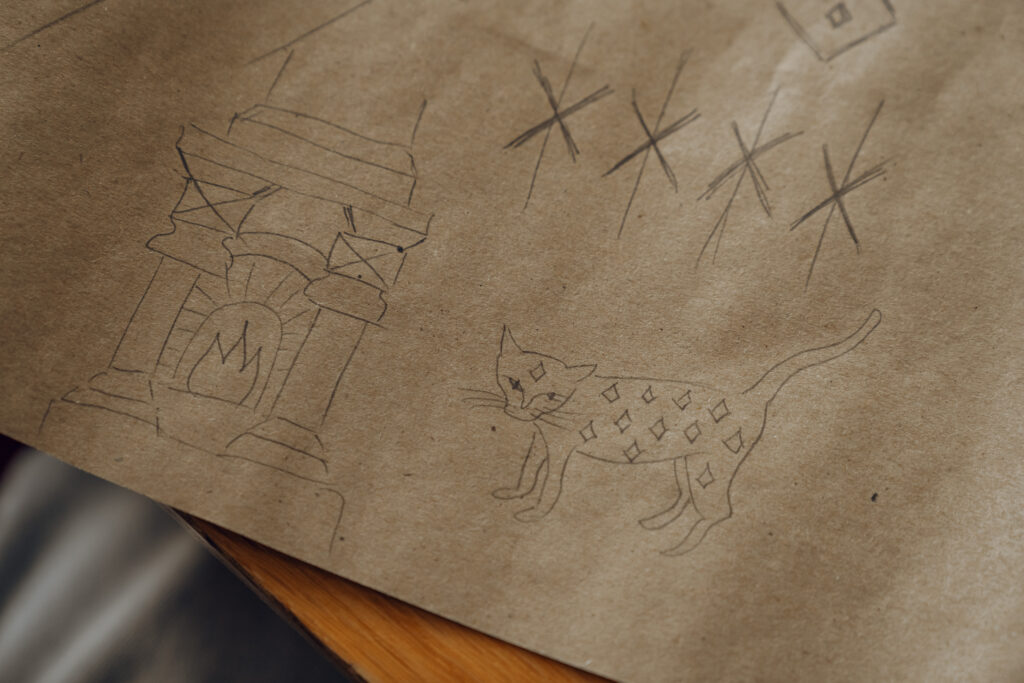
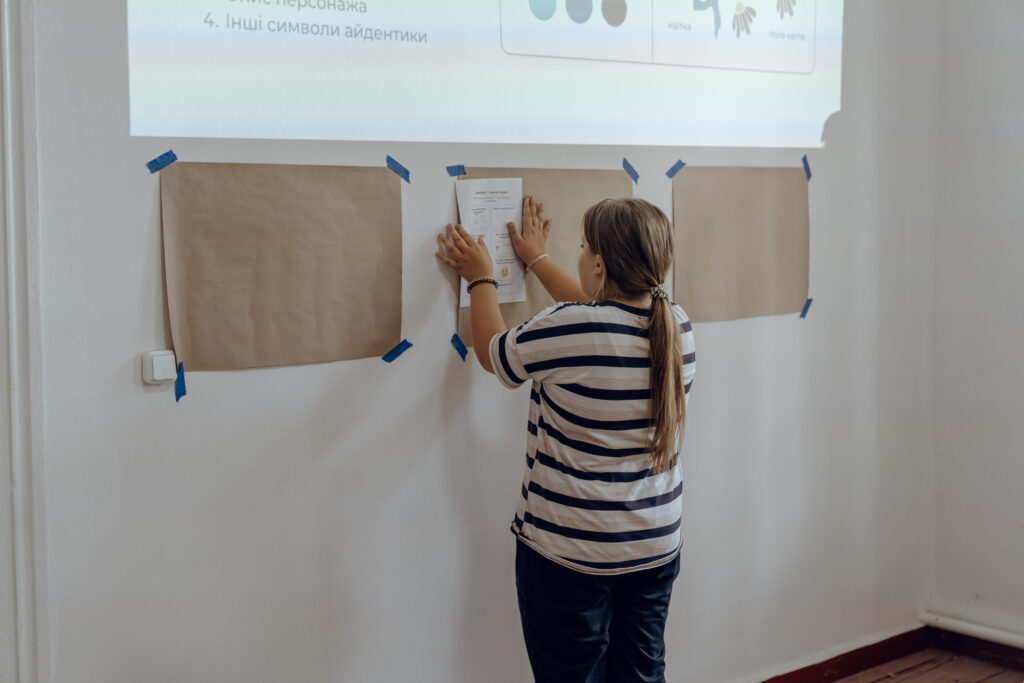
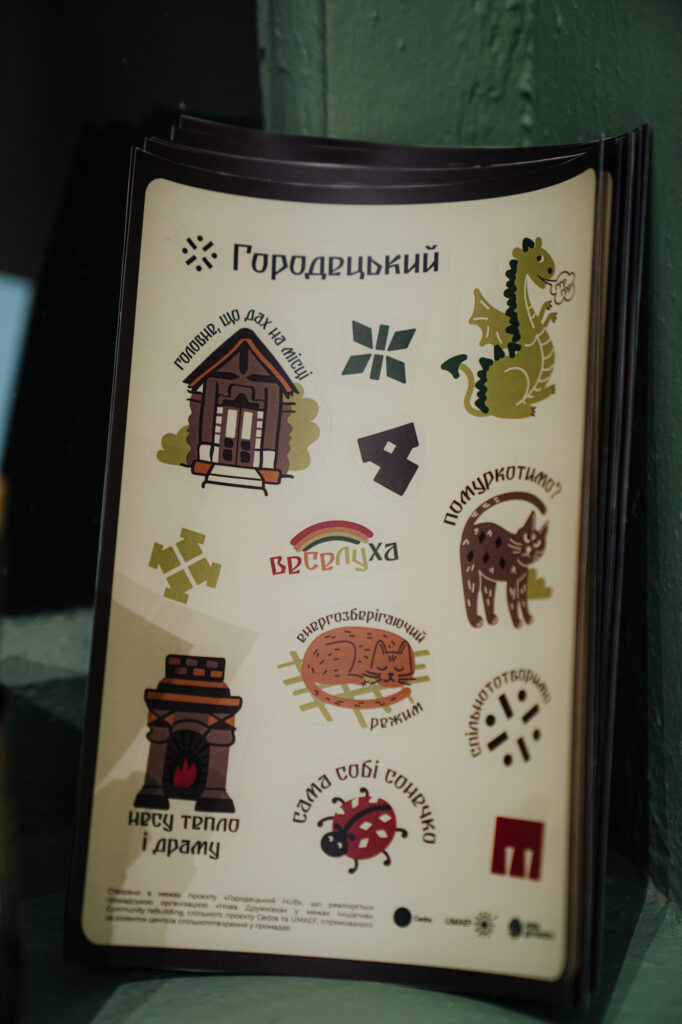
Residents of the Moshnyv hromada were actively involved at every stage of the work on the site. With their involvement, future activities were selected, toloka and renovation work were carried out, and the visual style was developed. “We created this centre together, and now we are delighted to see it coming to life with your events, ideas and meanings,” said the project team.
Support Cedos
During the war in Ukraine, we collect and analyse data on its impact on Ukrainian society, especially housing, education, social protection, and migration

 Support


