






The project was implemented by the non-governmental organisation “World of Information”. The programme mentor is Oleksandra Venslavovska, a cultural manager and founder of the PLAI collective. The spatial mentor is Maria Tselik, an architect and lecturer at the Kharkiv School of Architecture.
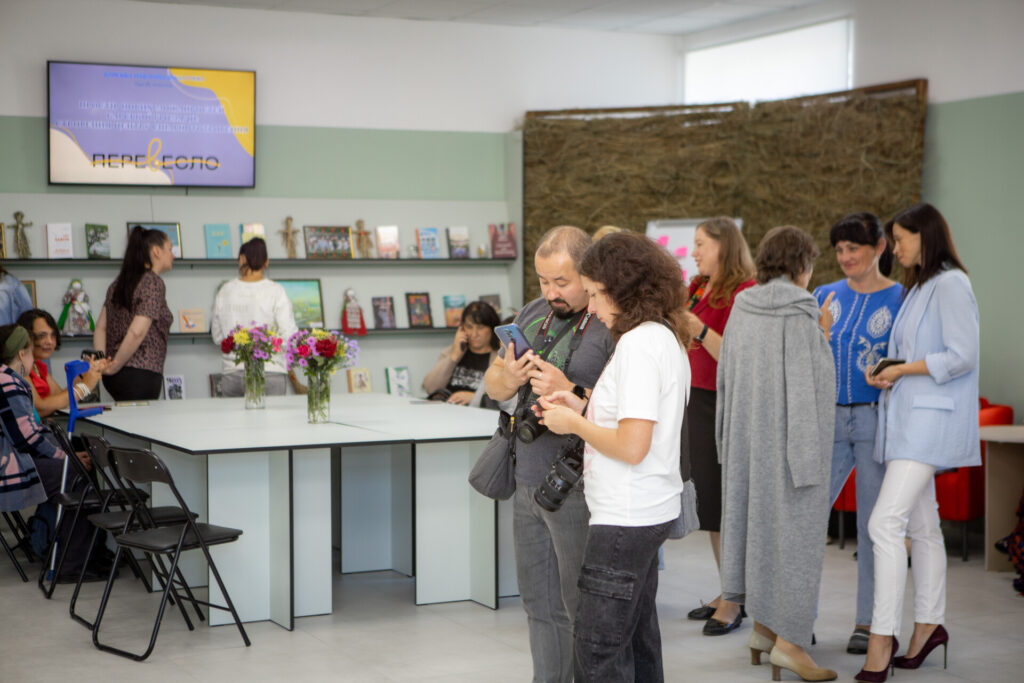
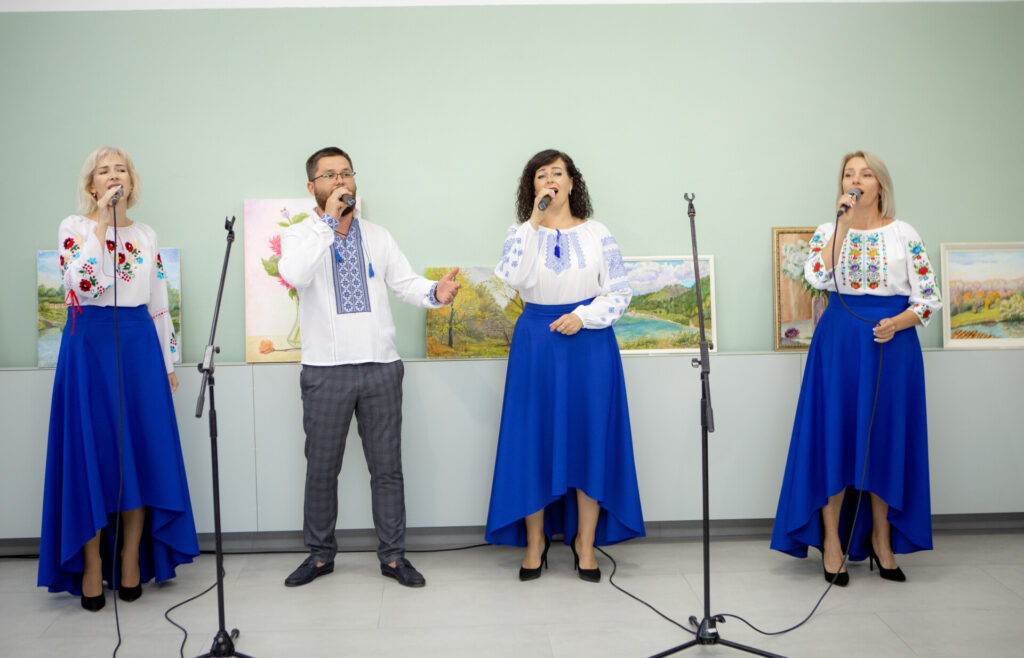
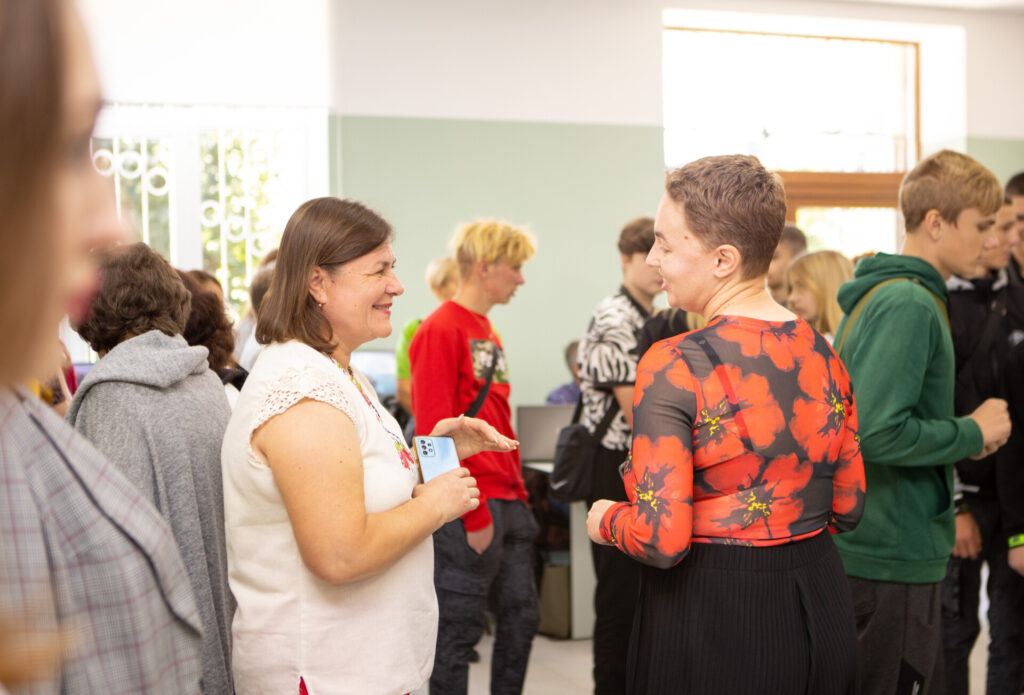
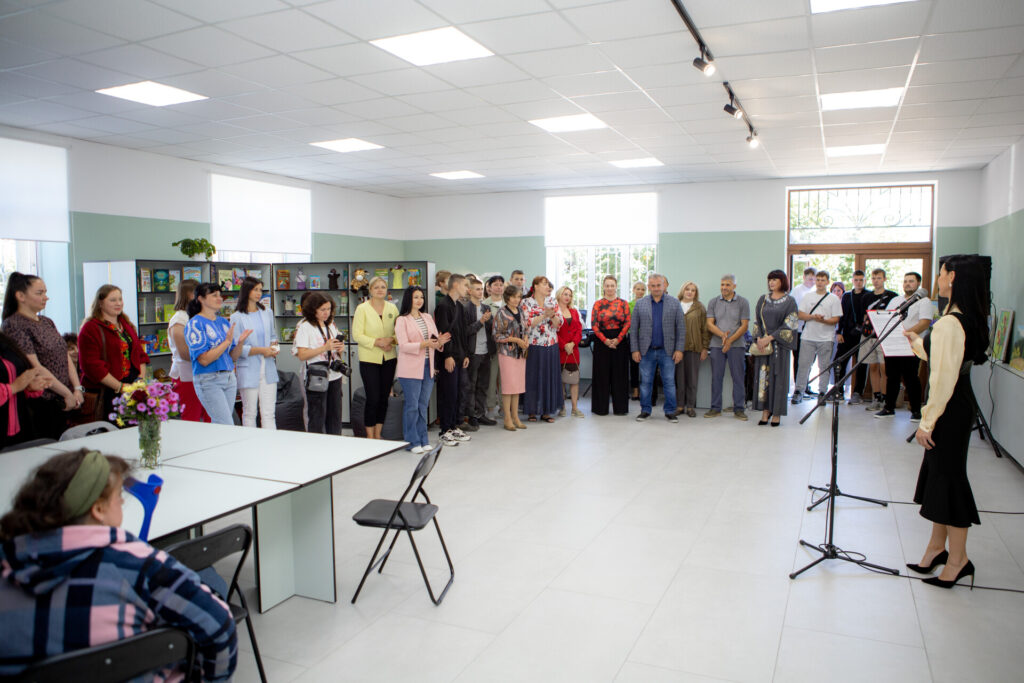
There was a demand within the hromada for a space that was new in every sense of the word: both physically new and embodying a new concept of public openness – a place that would appeal to both older and younger people, to children, and to those wishing to share their ideas and educational practices, or to organise an exhibition. We therefore sought to design this space so that it would be as well-suited as possible to the activities already taking place in the hromada. We wanted it to be sufficiently flexible, yet retain its own distinctive character. […] At the opening, it was clear that the hromada, the project team and the local authorities had got exactly what they wanted. We rejoiced with them that, despite everything, they had managed to navigate this difficult path, because this project is quite a significant undertaking for the hromada.
Maria Tselik, architect and lecturer at the Kharkiv School of Architecture.
About the “Pereveslo” Community-Building Centre
The centre’s name derives from the word “pereveslo” – in traditional culture, this was the name given to the straw binding used to tie a sheaf of grain. It holds the individual stalks together, forming a whole. The name therefore symbolises unity, solidarity and support.
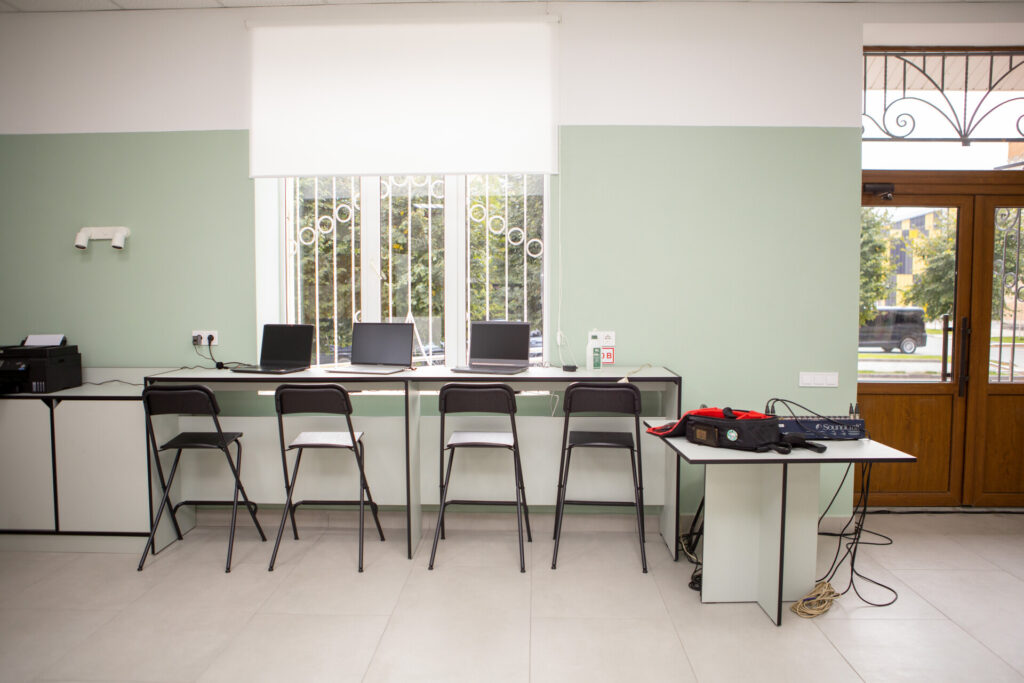
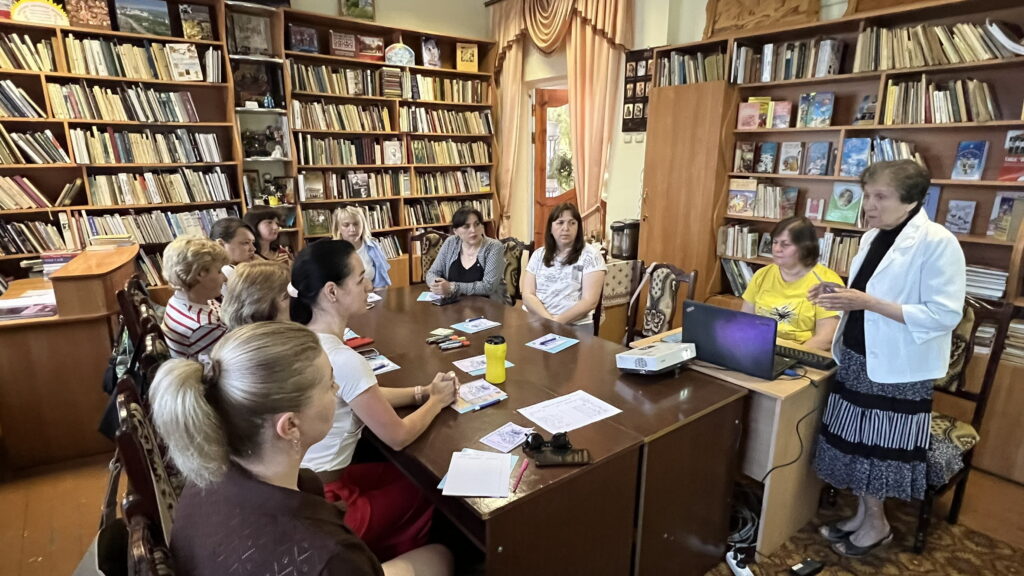
Following the full-scale invasion, the hromada needed a place where people could meet regularly to discuss and resolve the issues faced by local residents. Thanks to the Community reBuilding project, a community-building centre was established, which has become a venue for meetings and the exchange of ideas. It is equipped and suited to hosting training sessions, lectures and workshops.
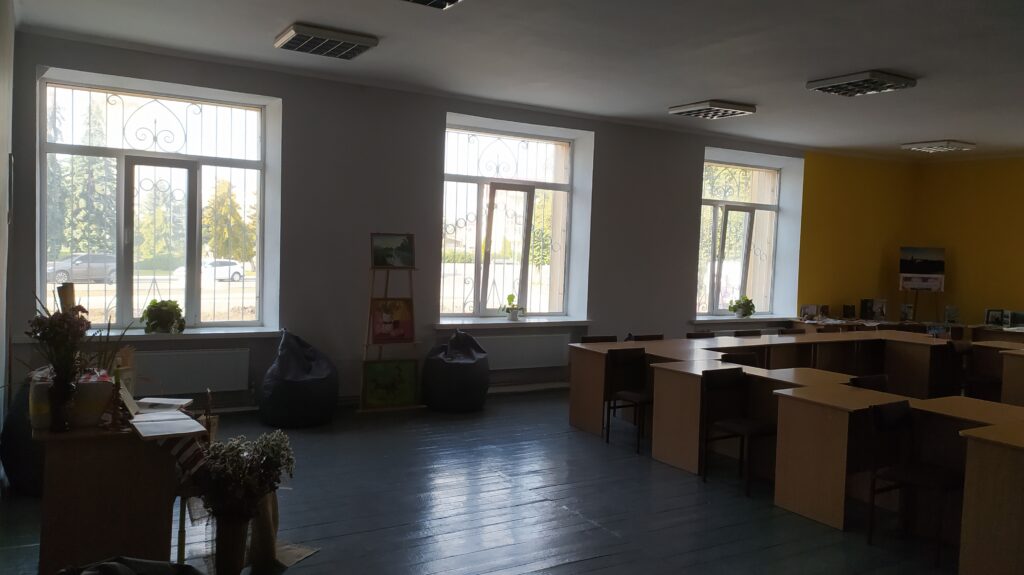
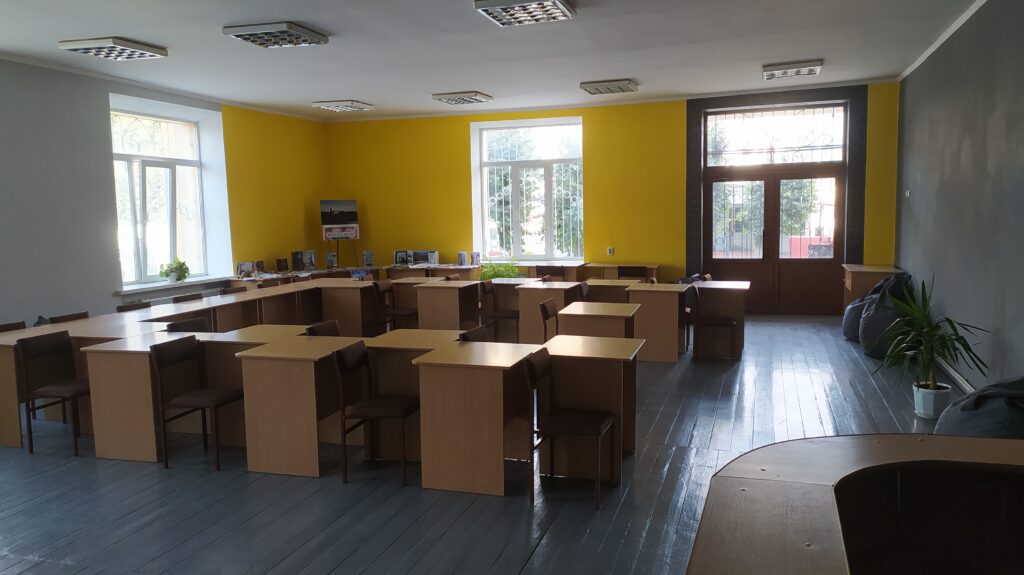
Working with the Barska hromada was no easy feat. We focused most of our attention on transforming the old into the new: the space, the approaches to work, the programme and the overall atmosphere in the reading room. We wanted to see a truly modern centre emerge, one that would appeal to local residents and a new audience. The opening was a small victory, so the town gained a centre for community-building and, it seemed to me, a new mindset: that anything is possible, even in the midst of war.
Oleksandra Venslavovska, cultural manager and founder of the PLAI collective
Six projects are already up and running at the centre:
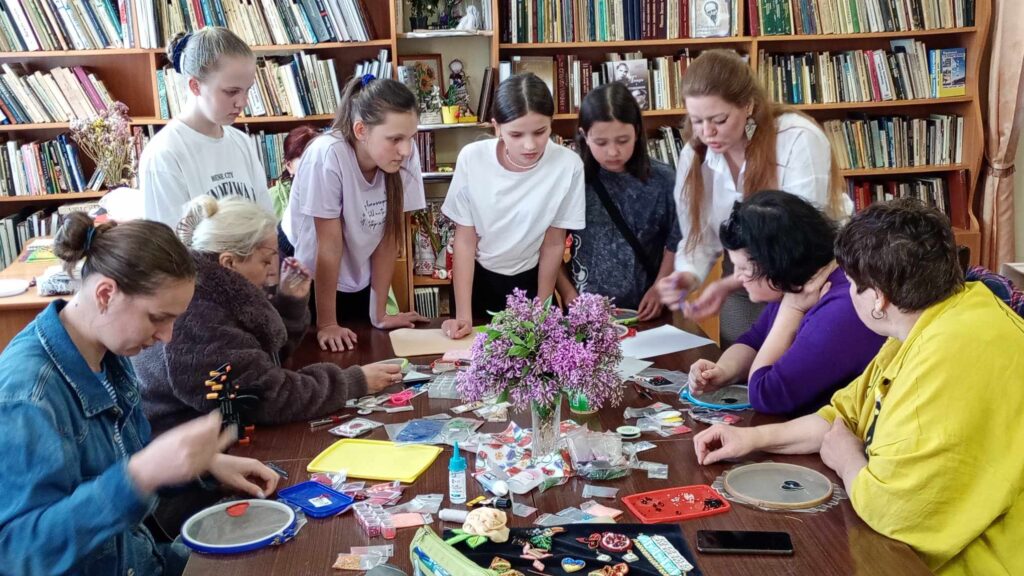
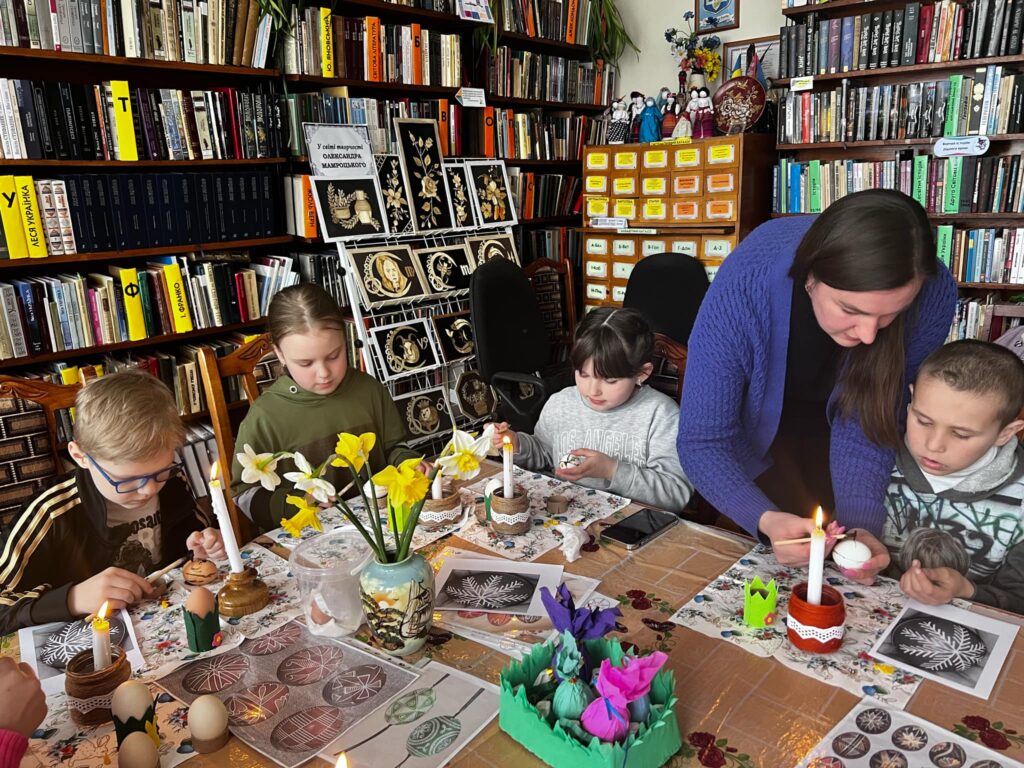
- “Restore the Past for the Sake of the Future” workshops. To revive artistic traditions, the centre offers lessons in painting on glass and stone, block printing, making folk dolls, woven crafts from wild grasses, straw Christmas spiders, wax candles and flowers.
- “Support Group Sessions with a Psychologist”, where participants take part in group psychological sessions.
- “From Idea to Project” training courses, which teach project management.
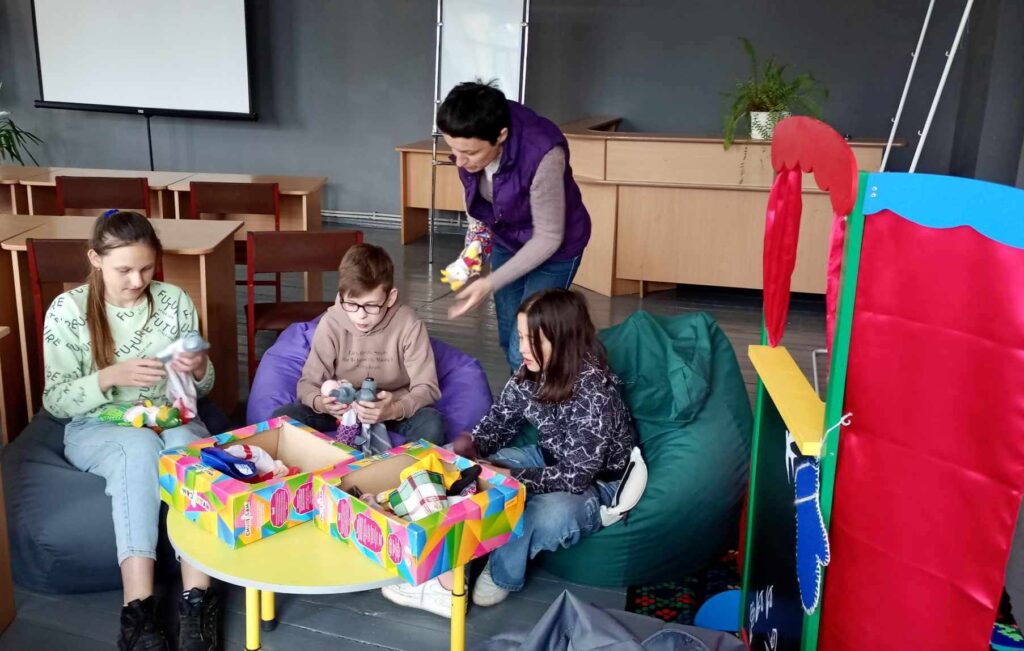
- The “Kazkarik” puppet theatre, which introduces participants to different types of puppets and stages children’s fairy tales.
- Valery Loyan’s vocal studio, where participants refine their singing technique and develop their musical ear, breathing and stage presence.
- “MalukS” sessions for children, which foster a love of reading, feature workshops and games.
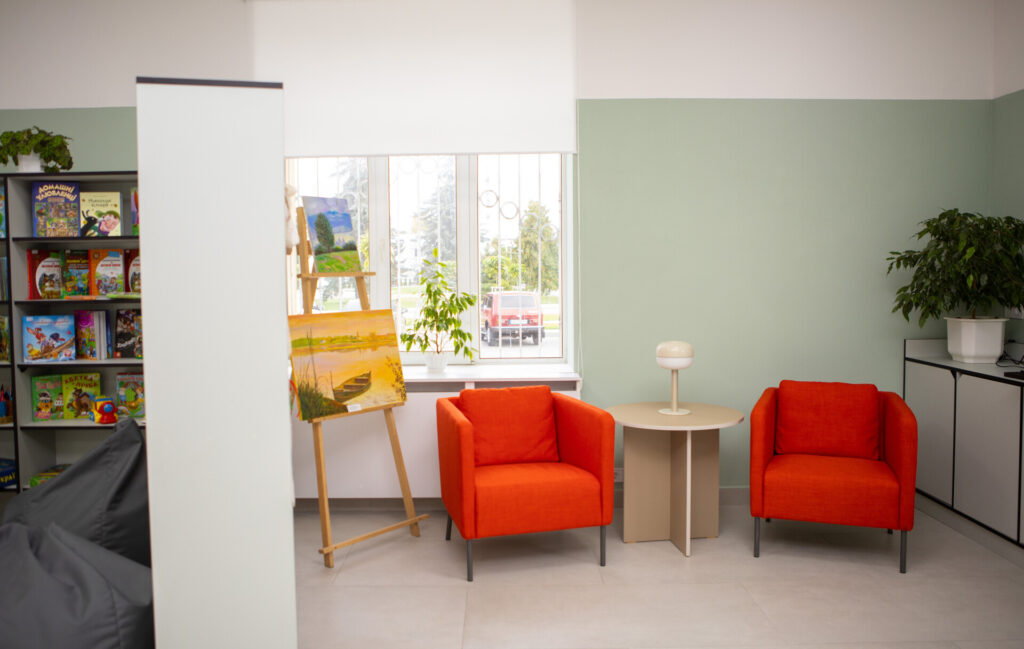
The library’s reading room has been transformed into a modern, comfortable and accessible space for all members of the hromada. The space has been divided into several areas using movable partitions on wheels, so that different activities can take place simultaneously.
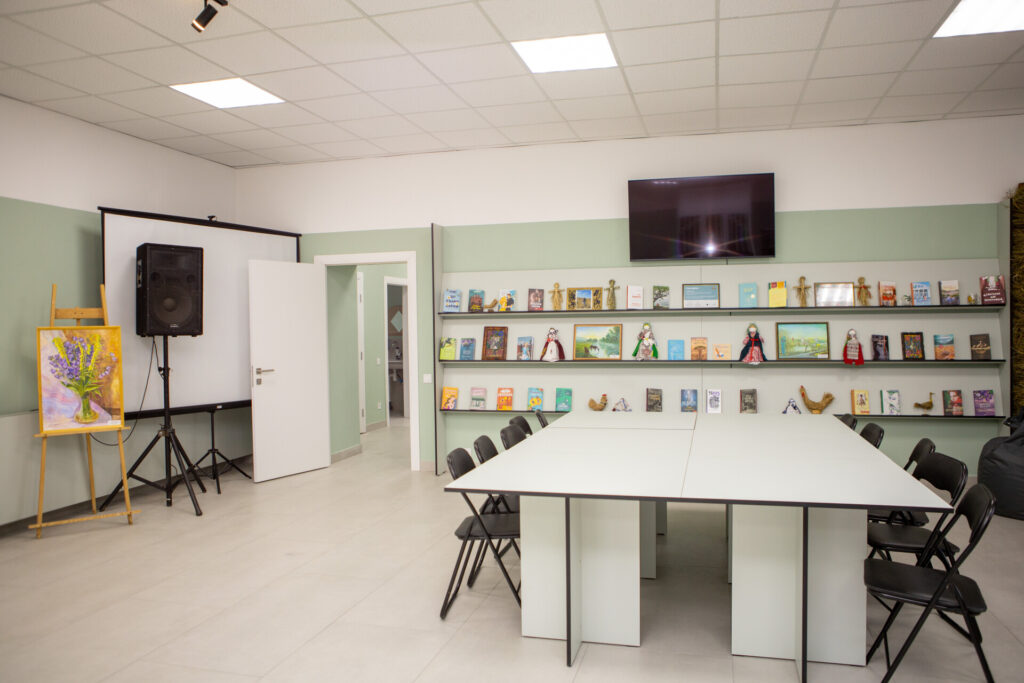
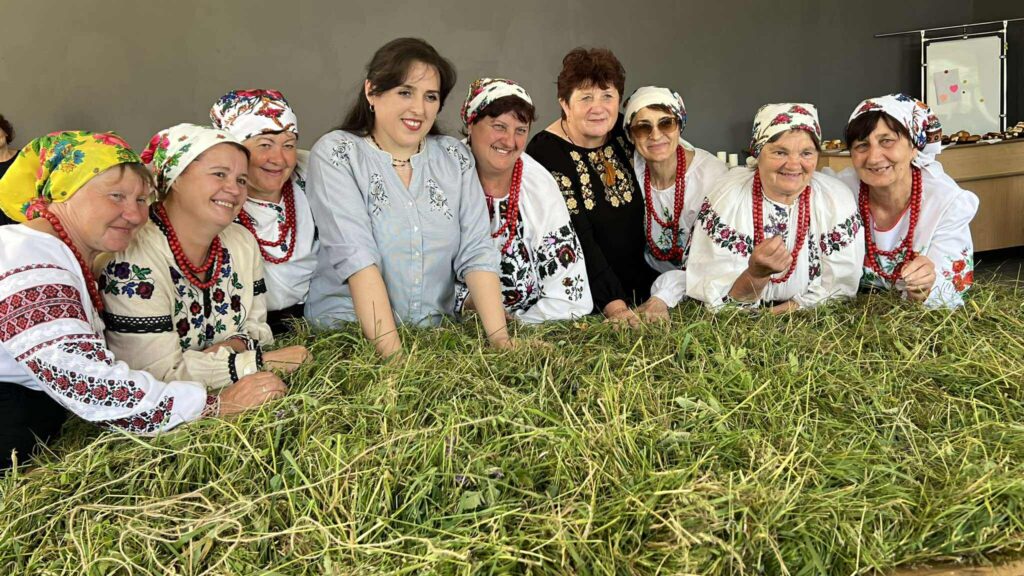
Even before the centre’s official opening, the “Pereveslo” team organised several events to introduce locals to the new space. There were regular folk art workshops, project management sessions, and meetings of the vocal studio and puppet theatre.
In addition, the centre hosted several special events:
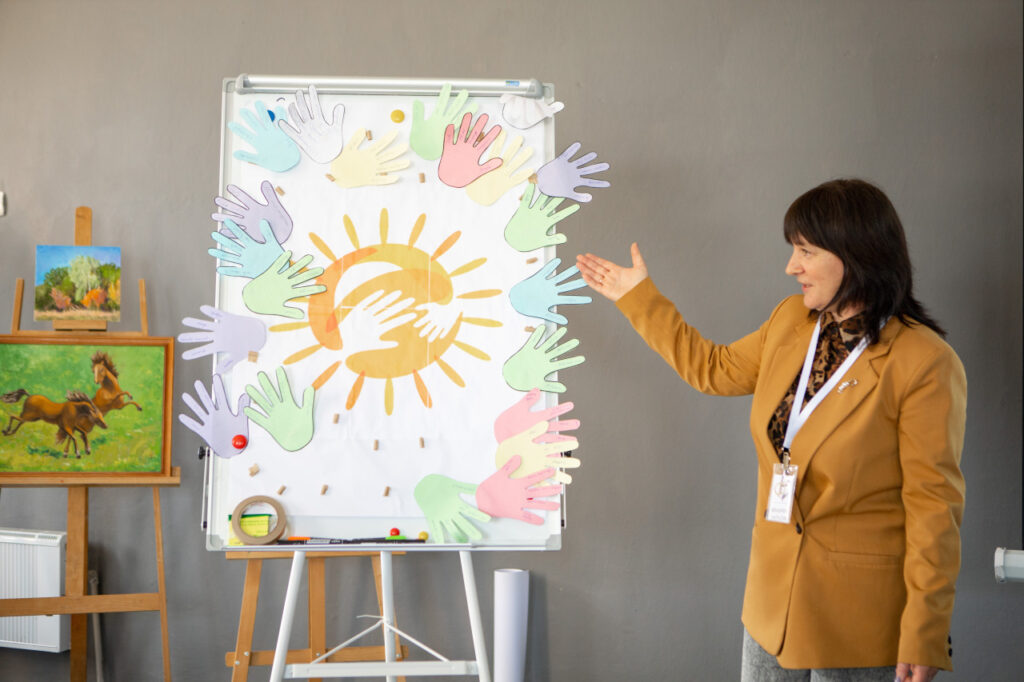
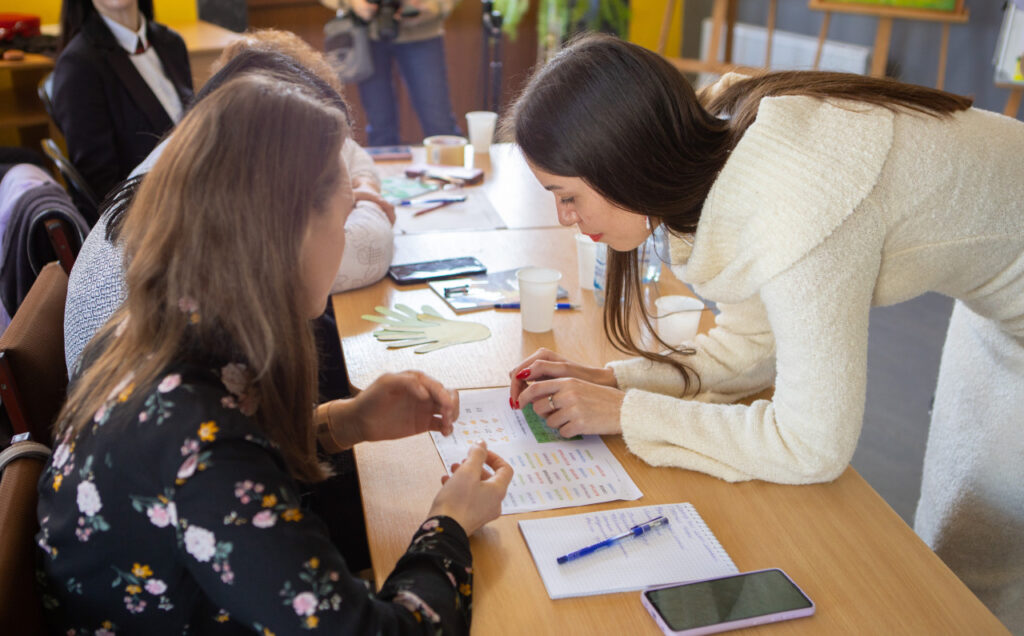
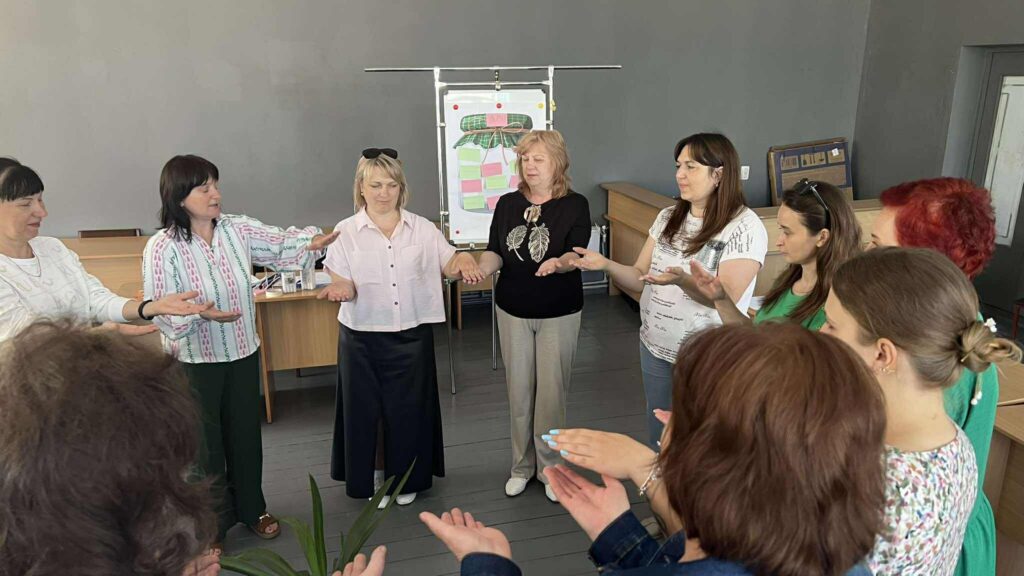
- The workshop “Together Towards a Common Goal: Creating a Community-Building Centre’. It was attended by active local residents, school pupils and students, representatives from the business sector and local government, as well as the project’s mentors, Oleksandra Venslavovska and Maria Tselik. Those present discussed their vision for the centre’s future and put forward their suggestions and wishes.
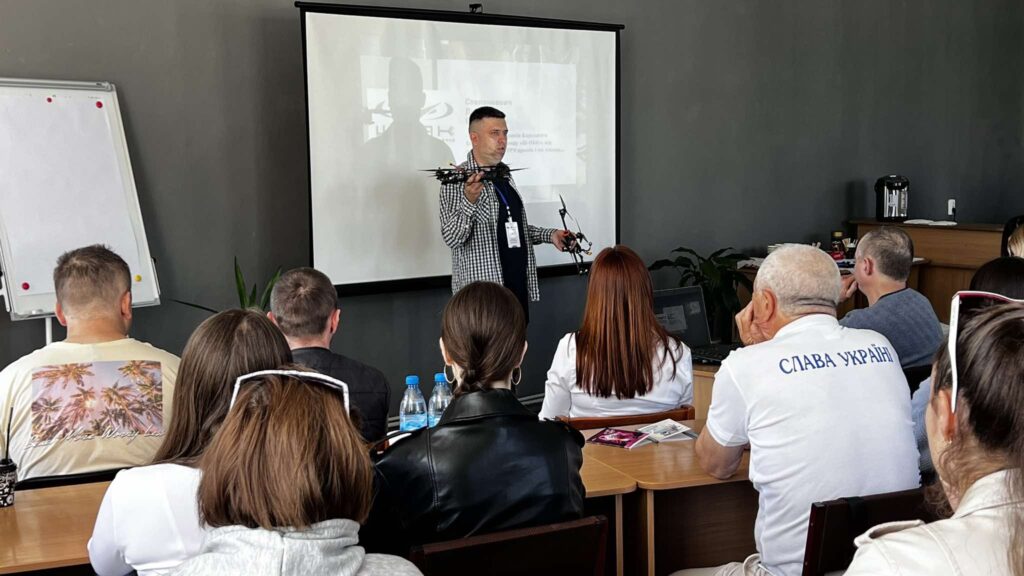
- The “Small Area – Big Opportunities” venue fair. On this day, craftspeople, trainers and experts presented their own projects, which will take place at the centre in the future.
- “Meeting with Successful People”. This motivational event attracted a large number of young people. The speakers were representatives of local government and the business community. Participants learnt more about overcoming challenges and achieving ambitious goals.
About the town of Bar
Bar forms part of the Podillia Way of St James (Camino Podolico). This route is a cultural and pilgrimage trail running from Vinnytsia to Kamianets-Podilskyi. It was modelled on the Ways of St James that run through Europe and lead to Santiago de Compostela in Spain. The route is an official member of the Council of Europe’s “Pilgrimage Routes to Santiago de Compostela” network.
Today, the route covers 14 locations in the Vinnytsia and Khmelnytskyi regions. It is over 250 km long, so it can be completed in 14–16 days on foot or by bicycle.
At the Bar Public Library, you can obtain a pilgrim’s passport, a stamp confirming you have visited a location, or a certificate of completion of the route.
The Bar hromada is quite active. They take pride in their Bar apples and their traditions of grass weaving. They are also proud that the Camino Podolico route passes through their town. It is at the library—of which the new space is physically a part—that these stamps are applied. They are now able to apply these stamps at the new community centre and have plans to develop tourism activities. This space is set to become part of that development programme.
Maria Tselik, architect and lecturer at the Kharkiv School of Architecture.
Support Cedos
During the war in Ukraine, we collect and analyse data on its impact on Ukrainian society, especially housing, education, social protection, and migration

 Support


